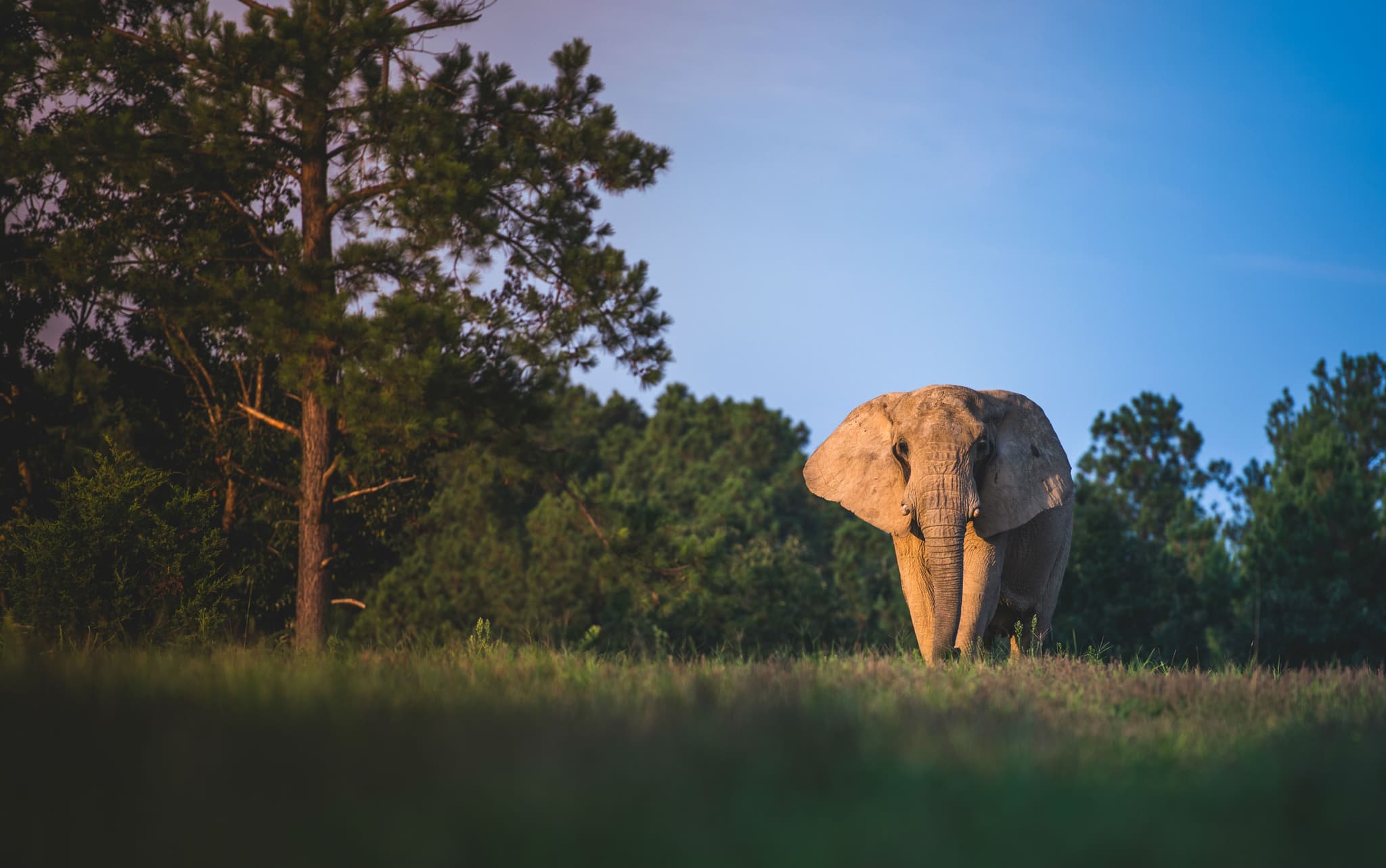
Conflict with people
Asian elephants live alongside some of the densest human populations on earth, and hundreds of elephants and people die in conflict every year.
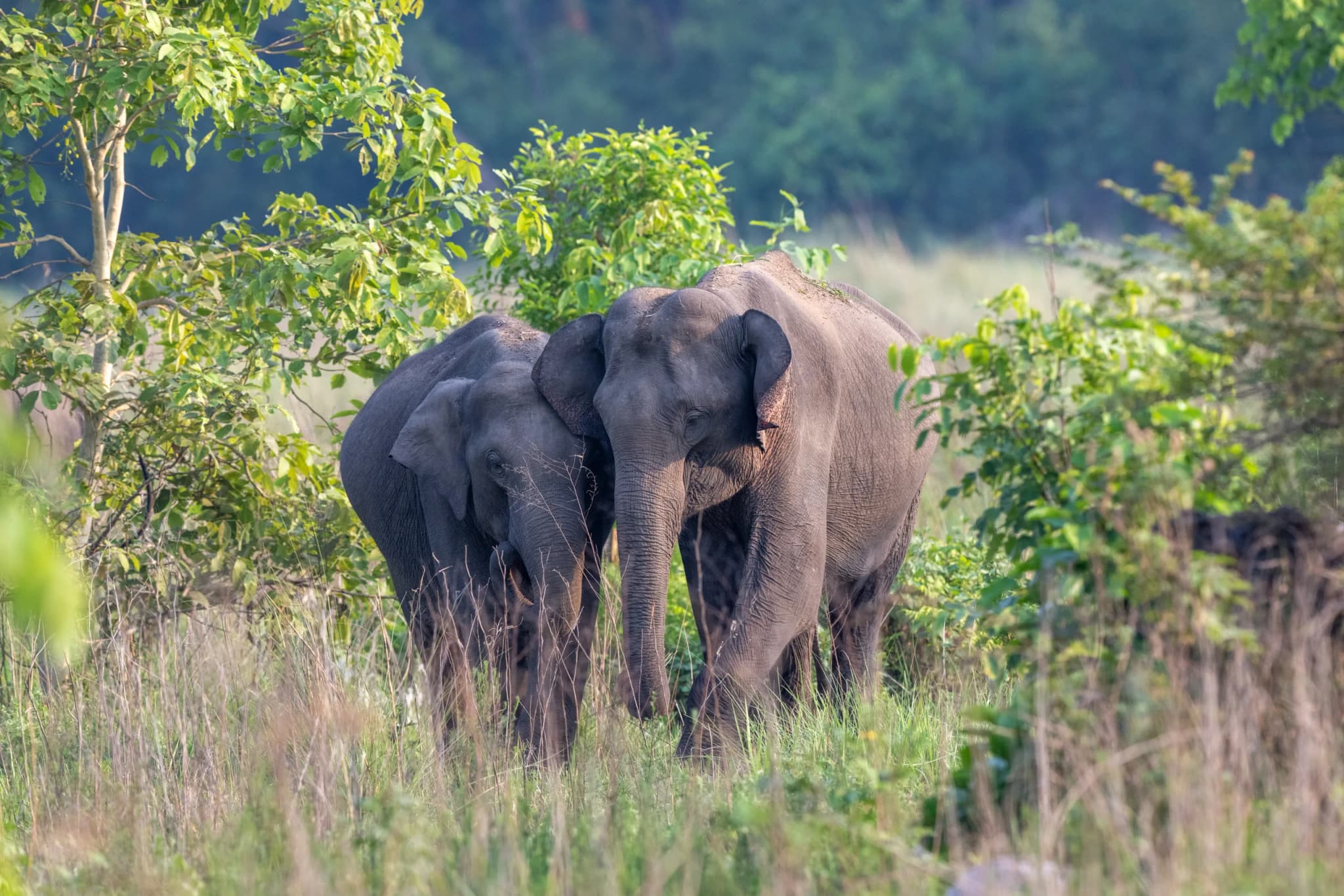
The Asian elephant (Elephas maximus) is the largest land animal in Asia, with three recognized subspecies: the Indian elephant (E. m. indicus), the Sri Lankan elephant (E. m. maximus), and the Sumatran elephant (E. m. sumatranus). Smaller than its African relatives and distinguished by its rounded back, smaller ears, and a single finger-like projection at the tip of its trunk, it inhabits a range of environments including tropical and subtropical forests, grasslands, and scrublands across South and Southeast Asia. The IUCN Red List classifies it as Endangered, with a population estimated at fewer than 50,000 individuals remaining in the wild.
Asian elephants are keystone species in their habitats, dispersing seeds across large distances, creating water holes used by other animals, and clearing vegetation in ways that maintain forest structure. Their range has contracted by at least 95 percent from its historical extent, according to the IUCN, and the animals that remain are increasingly confined to fragmented patches of habitat. The primary threats they face are habitat loss driven by agricultural expansion and human settlement, human-elephant conflict as elephants and people compete for the same land, and poaching, which targets males for ivory in regions where tusked males occur.
Asian elephants live alongside some of the densest human populations on earth, and hundreds of elephants and people die in conflict every year.
Plantations, highways, and railways carve the remaining forest into fragments too small for a herd to move through.
Calves are still taken from the wild for tourism and temple work across parts of the range.
Only male Asian elephants grow tusks, so poaching skews the sex ratio and leaves populations short of breeding bulls.
Yes. The Asian Elephant is listed as Endangered on the IUCN Red List, which means it faces a very high risk of extinction in the wild. A species qualifies on a decline of 50% or more over ten years or three generations, or on fewer than 2,500 mature individuals remaining.
Adult male Asian elephants typically weigh between 8,800 and 11,000 pounds (4,000 to 5,000 kg), with females considerably smaller at roughly half that mass. They are the largest land animals in Asia, though still notably smaller and lighter than African elephants.
Asian elephants are endangered primarily because of habitat loss, as expanding agriculture and human settlement across South and Southeast Asia have fragmented the forests they depend on. Human-elephant conflict, poaching of tusked males for ivory, and a slow reproductive rate all compound the pressure on remaining populations, according to the IUCN Red List.
Asian elephants live across a fragmented range spanning South and Southeast Asia, including forest and grassland habitats in India, Sri Lanka, Sumatra, Borneo, Thailand, and Myanmar. They favor moist deciduous and evergreen forests near reliable water sources, often traveling large distances across seasonal ranges.
Asian elephants are herbivores that eat grasses, roots, bark, bamboo, and fruit, and a large adult can consume up to 330 pounds (150 kg) of vegetation in a single day. This immense appetite means they require vast, connected landscapes, and crop-raiding brings them into dangerous conflict with farming communities across their range.
Asian elephants communicate through infrasound rumbles, many below the threshold of human hearing, allowing them to coordinate movement and share alarm calls across several kilometers of dense forest. They also exchange information through touch, scent glands near their temples, and deliberate foot-stomping that sends seismic vibrations through the ground, detected by sensitive nerve endings in their feet.