
Illegal shooting
Lynx are shot across much of the range despite legal protection, and in several reintroduced populations poaching is the leading cause of death.
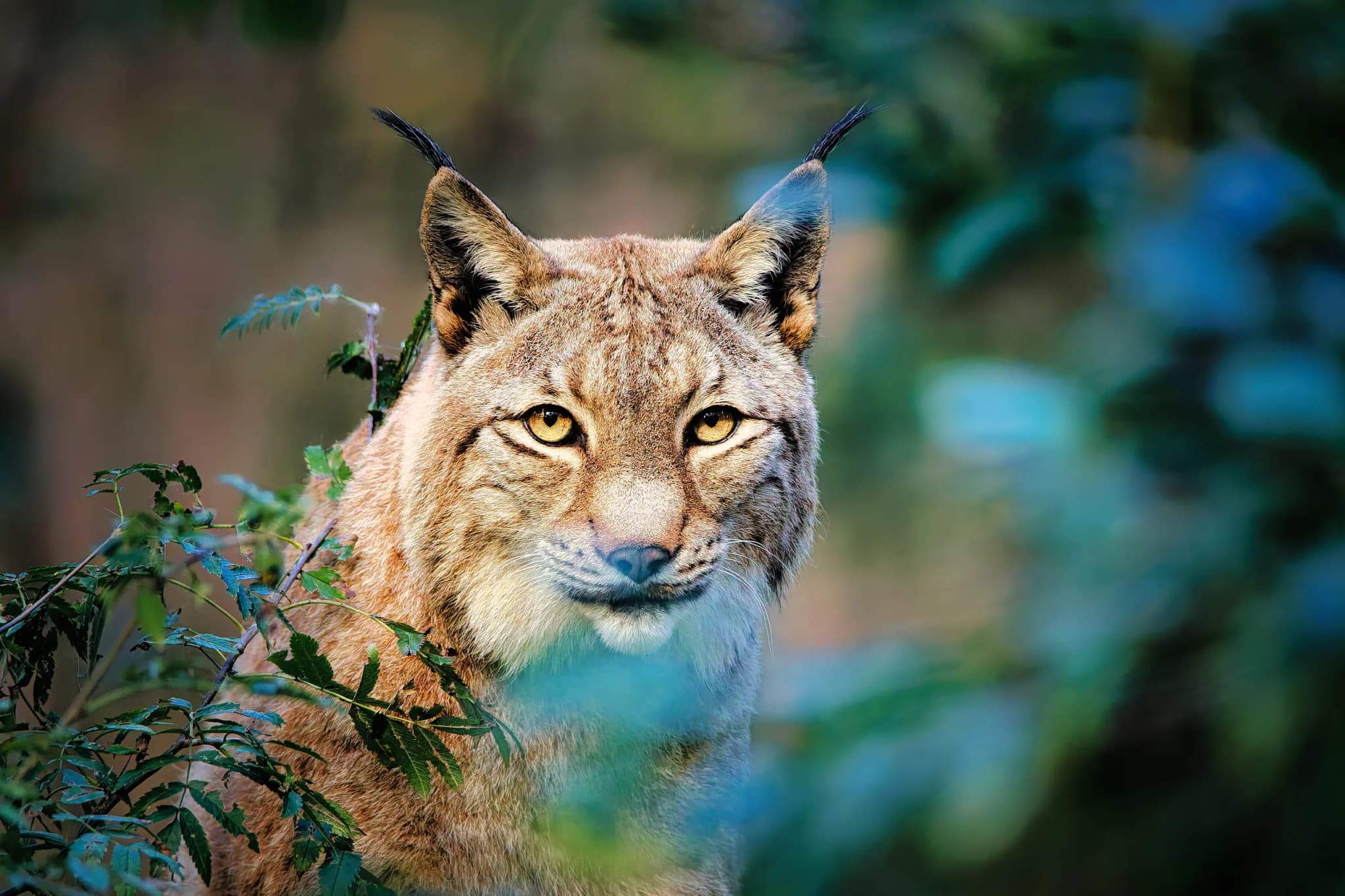
The Eurasian lynx (Lynx lynx) is the largest of the four lynx species, with adults typically weighing between 18 and 36 kilograms and standing roughly 60 to 75 centimeters at the shoulder. Its range spans a broad arc from Western Europe through Russia, Central Asia, and into the Tibetan Plateau, making it the most widely distributed wild cat on the European and Asian continents. It is a solitary, highly territorial predator that relies on dense boreal and montane forest, using its large, snowshoe-like paws to move efficiently through deep snow.
As an apex predator in many of the forest systems it inhabits, the Eurasian lynx plays a documented role in regulating ungulate populations, particularly roe deer (Capreolus capreolus) and chamois (Rupicapra rupicapra), which in turn affects forest vegetation structure. Despite its Least Concern status on the IUCN Red List, several subpopulations in Western and Central Europe are fragmented, small, and considered regionally threatened. Key pressures include habitat loss driven by deforestation and human infrastructure, prey depletion from overhunting, retaliatory killing by livestock farmers, and illegal poaching. Reintroduction programs are ongoing in countries including Switzerland, Germany, and the Czech Republic, with mixed but measurable results.
Lynx are shot across much of the range despite legal protection, and in several reintroduced populations poaching is the leading cause of death.
Highways and settlement divide lynx range, and the cats are reluctant to cross open ground.
Groups in the Alps, Dinarics, and Vosges were founded by a handful of animals and now show inbreeding.
Hunters in parts of Europe see lynx as competition for deer, which fuels the illegal killing.
No. The Eurasian Lynx is assessed as Least Concern on the IUCN Red List, meaning it is currently widespread and abundant enough not to be at risk. That is a global assessment, and a global assessment can sit on top of steep decline in one country or region.
Eurasian lynx prey mainly on roe deer, chamois, and smaller animals such as hares and foxes, with ungulates making up the bulk of their diet across most of their range. A single lynx in the Swiss Alps typically kills a roe deer or chamois roughly once a week, according to research by the KORA carnivore ecology program.
The Eurasian lynx is the largest of the four lynx species, a solitary wild cat native to the forests and mountains of Europe and Asia, listed as Least Concern on the IUCN Red List. It is recognized by its tufted ears, broad paws that act as snowshoes, and a short bobtail, and adults typically weigh between 18 and 30 kilograms.
Eurasian lynx range across boreal and mixed forests from Western Europe through Russia and Central Asia into the Tibetan Plateau and Siberia. They favor dense woodland with rocky terrain that supports cover for stalking prey, and reintroduced populations now live in the Swiss Jura, the Carpathians, and parts of Scandinavia.
The Eurasian lynx is the largest of the four lynx species, with adults typically weighing between 18 and 36 kilograms, making them nearly three times heavier than a Canadian lynx. Males in the Carpathian and Siberian populations tend to reach the upper end of that range, supported by the prey density of those forests.
Eurasian lynx hunt entirely alone, using a slow, patient stalk followed by a short explosive sprint to ambush prey, targeting the throat or nape to kill quickly. Unlike wolves sharing the same range, a lynx rarely chases prey over distance, relying instead on cover provided by rocky terrain and dense boreal understory.
Hunting and the near-total loss of forest cover eliminated Eurasian lynx from most of western and central Europe by the twentieth century. Reintroduction programs in Switzerland's Jura Mountains beginning in the 1970s, and later efforts in Germany, France, and the Bohemian Forest, have re-established small but breeding populations across parts of their former range.