
Rodenticides
Foxes accumulate rat poison through the prey they eat, which causes internal bleeding and weakens immunity.
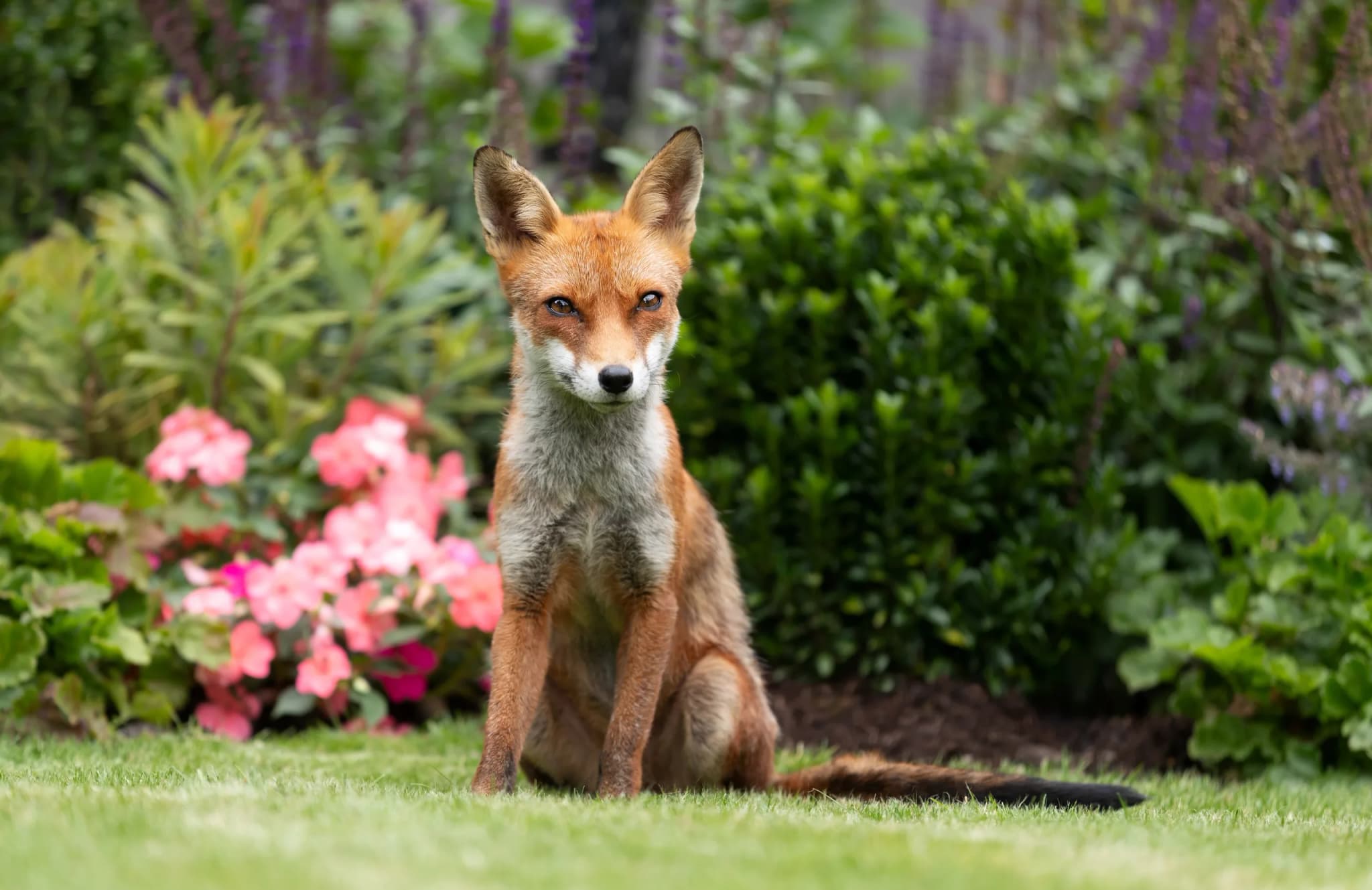
The red fox (Vulpes vulpes) is the world's most widely distributed wild carnivore, native to the Northern Hemisphere and introduced to Australia, where it is now established across most of the continent. It occupies an exceptional range of habitats, from Arctic tundra and boreal forest to desert edges, farmland, and dense urban centers, adapting its diet and behavior to local conditions with a flexibility matched by few terrestrial mammals. Adult red foxes typically weigh between 2.2 and 14 kilograms, with males averaging slightly larger than females, and the species shows considerable coat variation across its range, including melanistic and cross-color morphs alongside the familiar russet form.
Within their habitats, red foxes serve as mid-level predators and significant seed dispersers, controlling populations of rodents, rabbits, and invertebrates while also scavenging carrion. In Australia, their introduction has been linked to the decline or local extinction of several small to medium-sized native mammals and ground-nesting birds, making them one of the most ecologically damaging invasive species on that continent, according to the IUCN. Across their native range, red foxes face pressures including hunting, trapping, vehicle collisions, and mange outbreaks caused by the mite Sarcoptes scabiei, though none of these threats have materially reduced global population levels, and the species is assessed as Least Concern on the IUCN Red List.
Foxes accumulate rat poison through the prey they eat, which causes internal bleeding and weakens immunity.
Sarcoptic mange moves through urban and rural fox populations and kills large numbers in outbreaks.
Foxes are shot, snared, and poisoned in large numbers as pests and for fur across the northern hemisphere.
Roads are the leading recorded cause of death for foxes in many urban and suburban populations.
No. The Red Fox is assessed as Least Concern on the IUCN Red List, meaning it is currently widespread and abundant enough not to be at risk. That is a global assessment, and a global assessment can sit on top of steep decline in one country or region.
Red foxes are omnivores that eat small mammals such as voles, rabbits, and mice, along with birds, insects, earthworms, berries, and carrion. Their diet shifts with the season and habitat, making them highly adaptable across farmland, forest, tundra, and urban environments on nearly every continent.
Red foxes are preyed upon by coyotes, wolves, golden eagles, and large owls, while mountain lions and bears take them opportunistically. In suburban and rural areas, domestic dogs kill foxes with some regularity, and vehicle strikes are among the leading causes of death in urban-adapted populations.
Red foxes produce a sharp, raspy bark, a drawn-out scream used during the breeding season, and a soft "gekker" chatter during close contact with other foxes. The mating scream, typically heard in winter, is often mistaken for a person in distress and can carry a considerable distance on still nights.
Red foxes typically weigh between 6 and 15 pounds and measure roughly 18 to 35 inches in body length, with a tail adding another 12 to 22 inches. Males are generally larger than females, and foxes in northern latitudes tend to be bigger than those living closer to the equator, following Bergmann's rule.
Red foxes have the largest natural range of any wild terrestrial carnivore, spanning North America, Europe, Asia, and North Africa, with introduced populations established across Australia. They thrive in farmland edges, suburban parks, Arctic tundra, and mountain forests, making them one of the few wild mammals equally at home in central London and rural Siberia.
Red foxes use the Earth's magnetic field to target small mammals hidden under snow or dense grass, a behavior called magnetic alignment, pouncing in a precise northeasterly arc with notably higher success rates according to research published in Biology Letters. This "magnetic jump" lets a fox pin a vole moving invisibly beneath a thick winter snowpack from several meters away.
No projects have listed this species yet.