species are threatened with extinction, according to the International Union for Conservation of Nature: 41% of amphibians, 38% of sharks and rays, 26% of mammals, and 12% of birds. Most of it traces back to what people have done to the planet through deforestation, exploitation, and a changing climate.
of American charitable giving went to environment and animal organizations in 2025, or $24.6 billion, per Giving USA. It is the smallest of the nine subsectors that report tracks.
of Americans say the federal government is doing too little to protect animals and their habitats, Pew Research Center found.
The care is there. The money is not following it. People have not stopped caring about animals, they just cannot find the organizations best placed to use their help, and those organizations cannot find them back.
So we are building the most complete directory of wildlife conservation and animal welfare organizations anywhere. Search by place, by species, by the work they do. Then pick one and back it.
A profile for every species: what it is, where it lives, what it is up against, and where it sits on the IUCN Red List. Written for someone with no background in conservation, sourced so anyone can check it.
You give once, to the Wildlife Connect fund for the animal you chose. We grant it onward to vetted organizations doing the work on the ground, and tell you where it went.
The capybara is listed as Least Concern and draws over a million searches a month in the United States alone. The Javan, Sumatran, and black rhinoceros together draw about 7,400. Funding follows attention, which means the animals closest to disappearing are often the ones fewest people are looking for.
The organizations doing the work are small, often remote, and almost never on the first page of a search. Decide to help an animal today and you hit a wall of ads, with no way to tell a real sanctuary from a business using the word.
That is a findability problem, and findability problems are solvable. So every organization here is listed with where it works, the species it protects, and how you can help. They claim and verify their own pages. Nothing is pay to play.
Being findable is half of it. A sanctuary that finally turns up in a search still has to turn a visitor into a supporter, and at most small organizations nobody has that job. Fundraising is what the director does after the animals are fed.
So we do that part. Adopt an animal and your gift goes to the Wildlife Connect fund for that animal, which we grant onward to vetted organizations doing the work. One gift from you, pooled with everyone else’s, reaching people who never had the time to come and ask you for it.
Listing stays free for the organization, and always will. Nothing an organization pays can buy it a place here, because there is nothing to pay.
Search by animal, by country, or by how you want to help. Every species page names the organizations working on that animal.
Organizations claim their page by proving they represent it. A claimed page is maintained by the people who run the work, not by us.
Adopt an animal, volunteer, or visit. Adoptions go to our fund for that animal and out to the organizations protecting it.
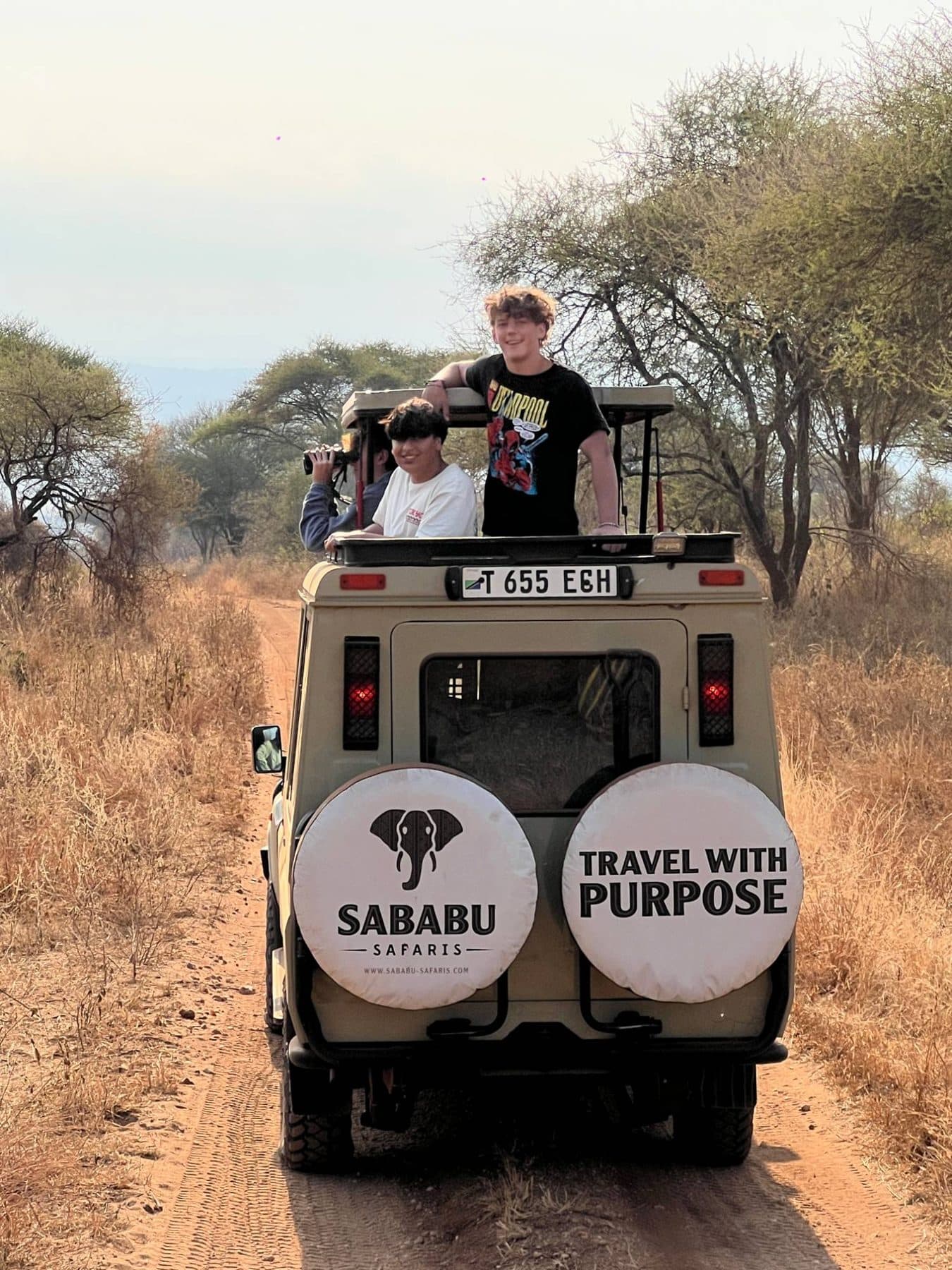
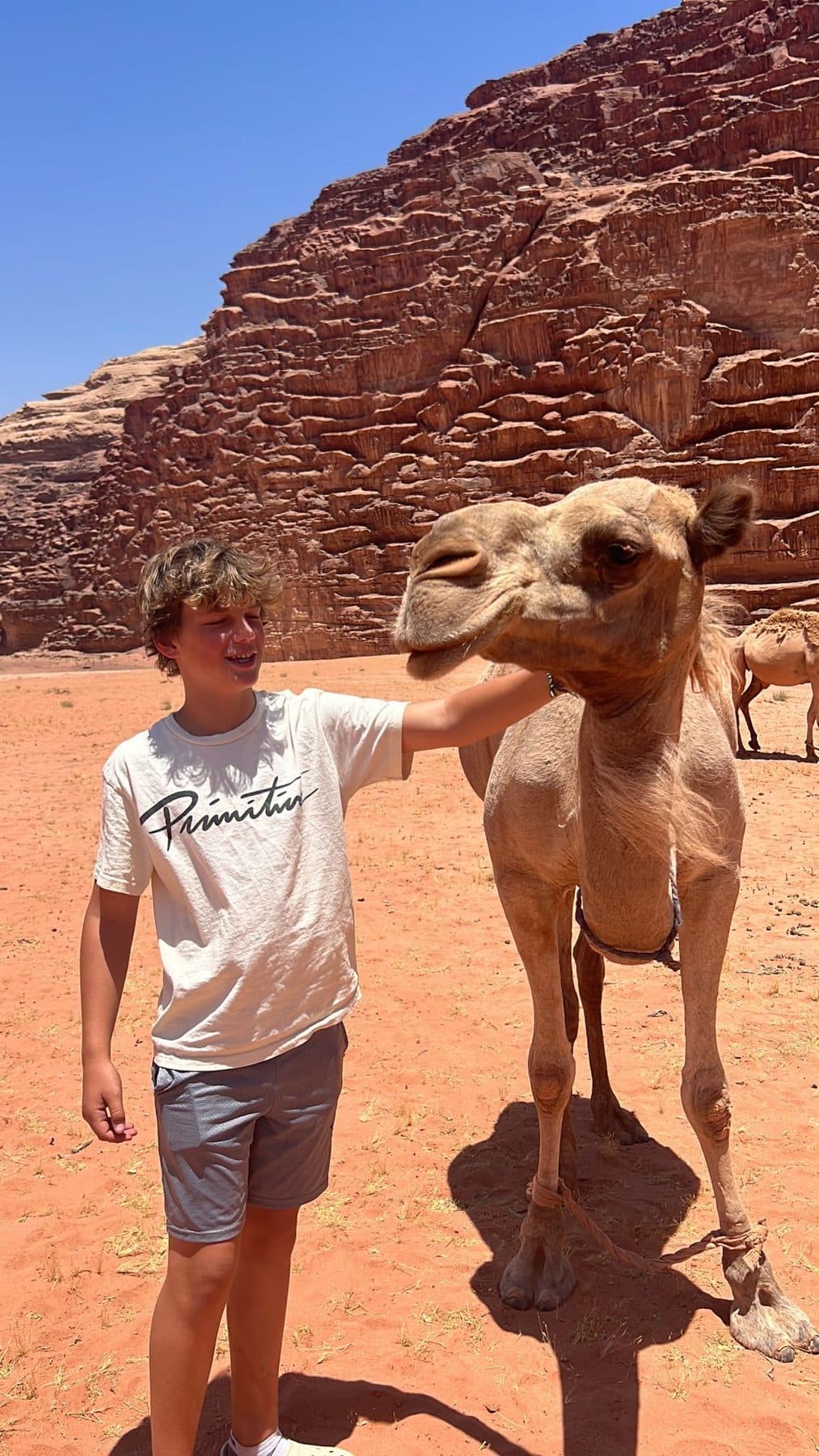
Isaac Rabkin is a social entrepreneur from Silicon Valley who has loved animals his whole life. He has visited sanctuaries and conservation projects all over the world, and kept noticing the same thing: the people doing the hardest, least glamorous work were the hardest to find and the least funded.
Wildlife Connect began as his Tzedakah project for his Bar Mitzvah on October 29, 2022. In Hebrew, tzedakah means an obligation to do what is right. Isaac’s view is that reversing the part people play in habitat loss, endangerment, and extinction is one of those obligations.
Most Tzedakah projects support one organization. Isaac decided to build something that could support thousands, and he has been building it ever since.
The entrepreneurship started even earlier. Second grade, his first business: The Caramel Kid, selling handcrafted caramel grams. The ambitions have grown up a lot since. The instinct has not. Find something he cares about, build something around it, and point it at something that matters.
Pick an animal you love and back the people keeping it alive.
Get your work in front of the people looking for it. Your page is free, and always will be.
