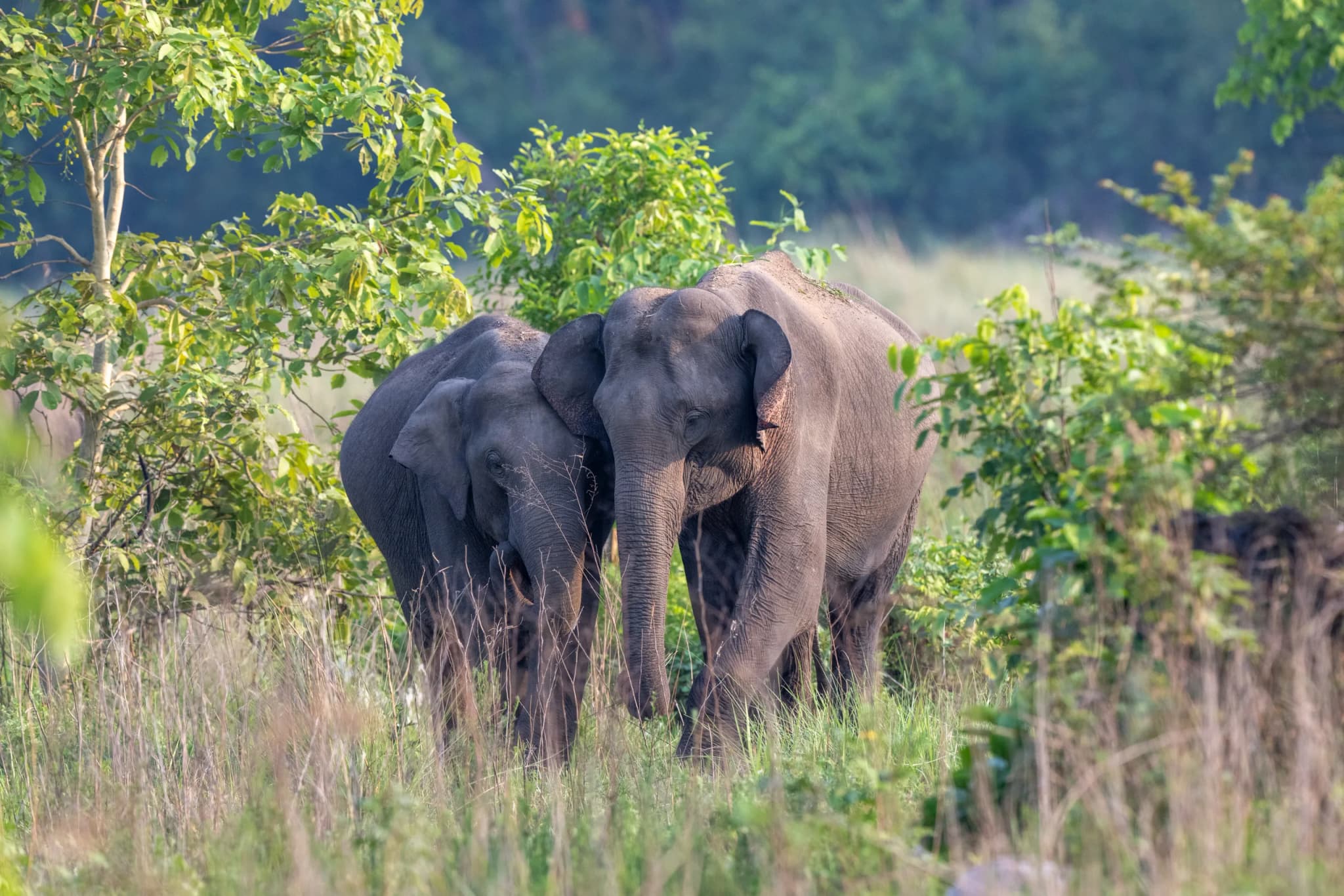
Ivory poaching
Elephants are still killed for their tusks, and the trade persists wherever enforcement is thin and borders are open.
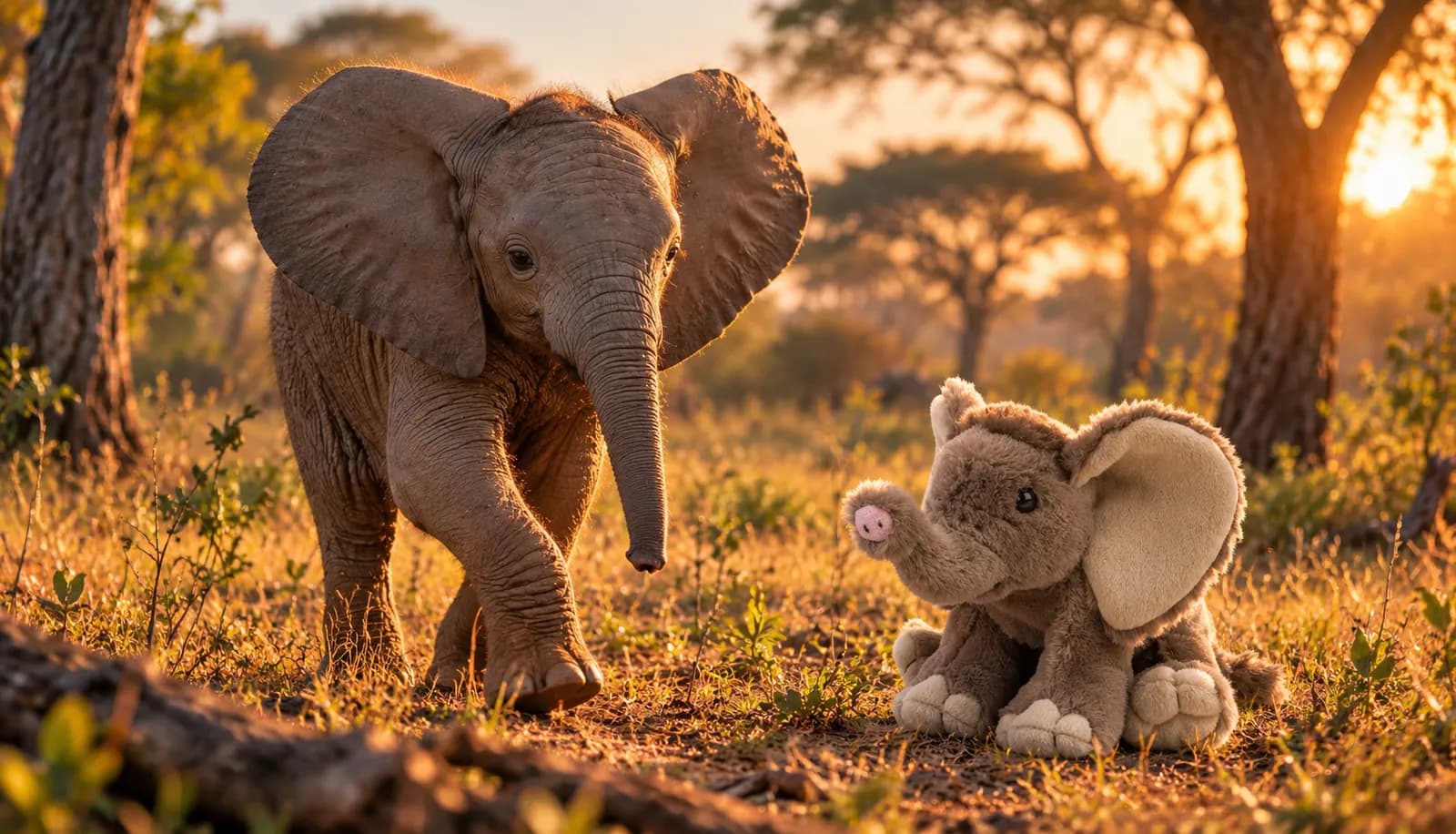
Your symbolic adoption supports the Wildlife Connect Elephant Fund, which provides funding to vetted organizations working to protect elephants and their habitats.
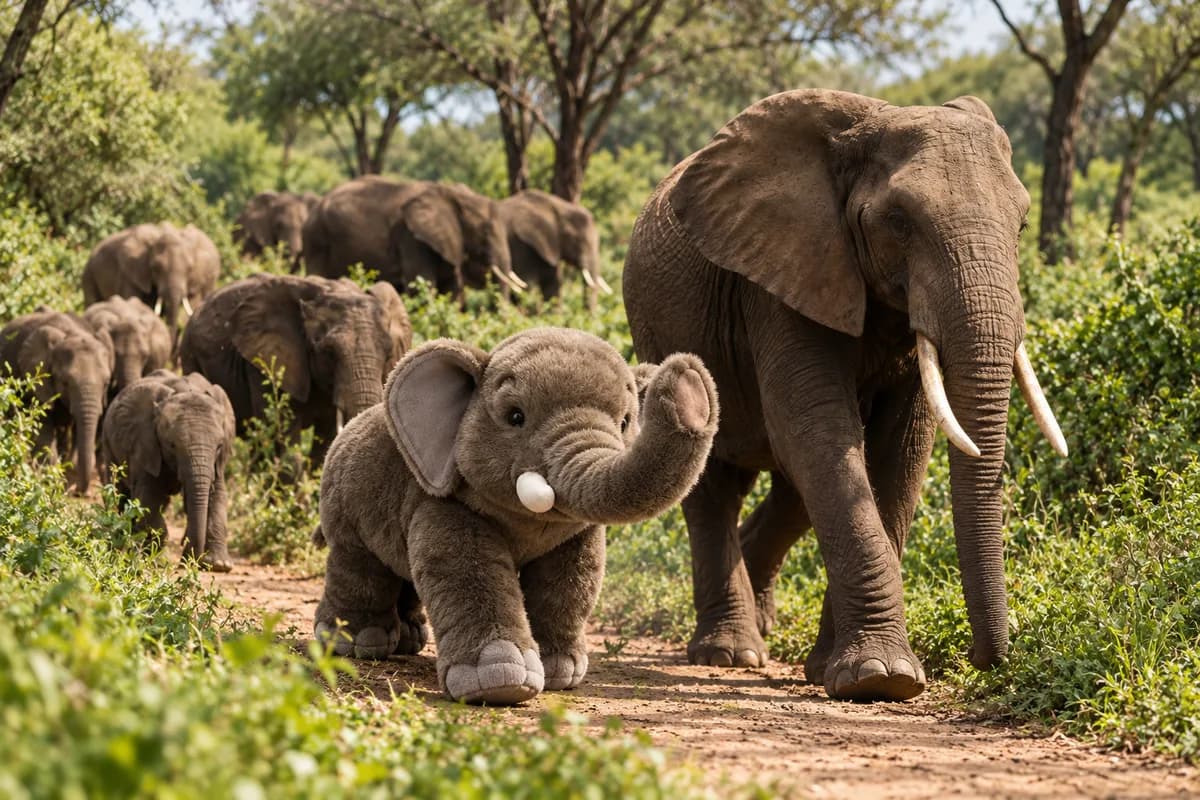
Checkout opens soon.
| Item | $25 | $50 | $100 | $250 |
|---|---|---|---|---|
| Gold plated 2026 ornamentFree through December 20th, 2026 | Included | Included | Included | Included |
| Personalized adoption certificate | Included | Included | Included | Included |
| Collectible species cardFront and back | Included | Included | Included | Included |
| 8" plush | Not included | Included | Not included | Not included |
| 12" plush | Not included | Not included | Included | Included |
| Wildlife Connect tote | Not included | Not included | Not included | Included |
Few animals are as familiar as the elephant, and fewer are as easy to take for granted. But behind every elephant still walking a wild landscape is something less visible: ranger patrols, early warning systems, fence lines, water points, and the corridors that let a herd move between protected areas without crossing somebody's field.
A symbolic adoption turns that work into something personal.
Your adoption helps support the organizations protecting elephants and the land they move through. That work shows its results: where patrols are funded and corridors stay open, herds move more safely and fewer animals are killed in conflict with farmers. The pressure has not eased. African forest elephants are Critically Endangered, African savanna elephants are Endangered, and Asian elephants are Endangered across a range that keeps narrowing.
And your adoption gives you something to hold onto, too.
You'll receive a personalized adoption certificate and a collectible, numbered species card that tells the story of the animal you're helping protect. At higher adoption levels, you'll also receive an elephant plush: a small, tangible reminder of something much bigger.
Because the best gifts don't disappear when they're opened. They spark curiosity. They start conversations. They remind us that a herd crossing a floodplain in Botswana is part of our world, too. Its future is something all of us can help protect.
Adopt an elephant. Help protect its range. Become part of its story.
Population trend: decreasing. African forest elephants are Critically Endangered and savanna elephants Endangered, both assessed by the IUCN in 2021. Asian elephants are Endangered across their range.
Elephants are still killed for their tusks, and the trade persists wherever enforcement is thin and borders are open.
Farms, roads, and plantations have divided the land into fragments too small for a herd to move through safely.
An elephant that raids a field at night is often killed for it, which is why fencing and early warning are conservation tools.
Longer dry seasons push herds further in search of water, usually into the farmland where the trouble starts.
Funds from our elephant adoptions go to the Wildlife Connect Elephant Fund, which supports vetted wildlife sanctuaries and conservation organizations working to protect elephants, their habitats, and the many species that live alongside them.
Learn about our impact