What your money actually does when you adopt an elephant
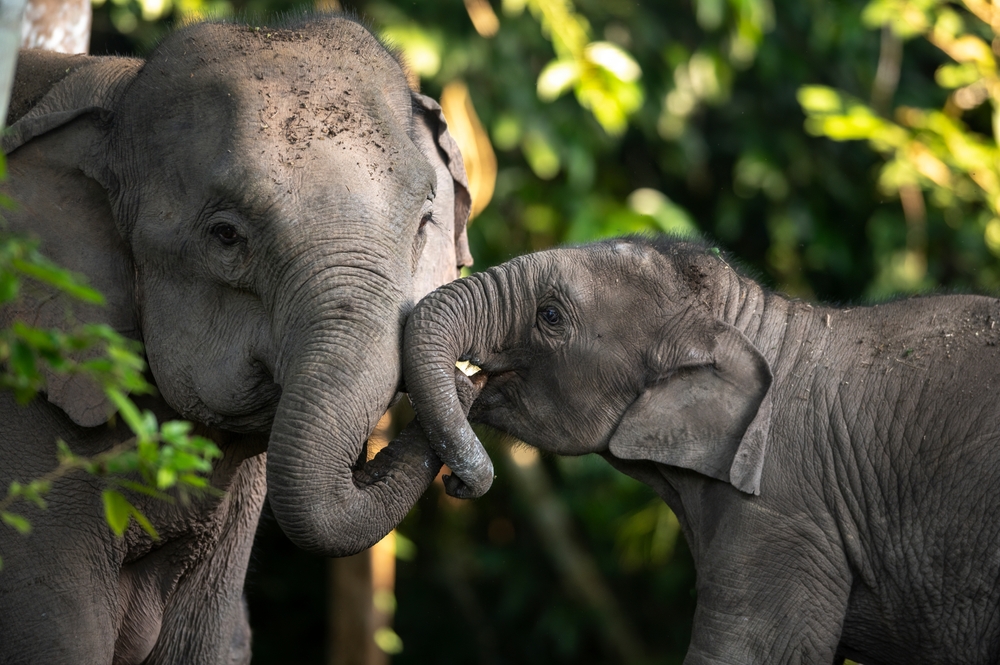
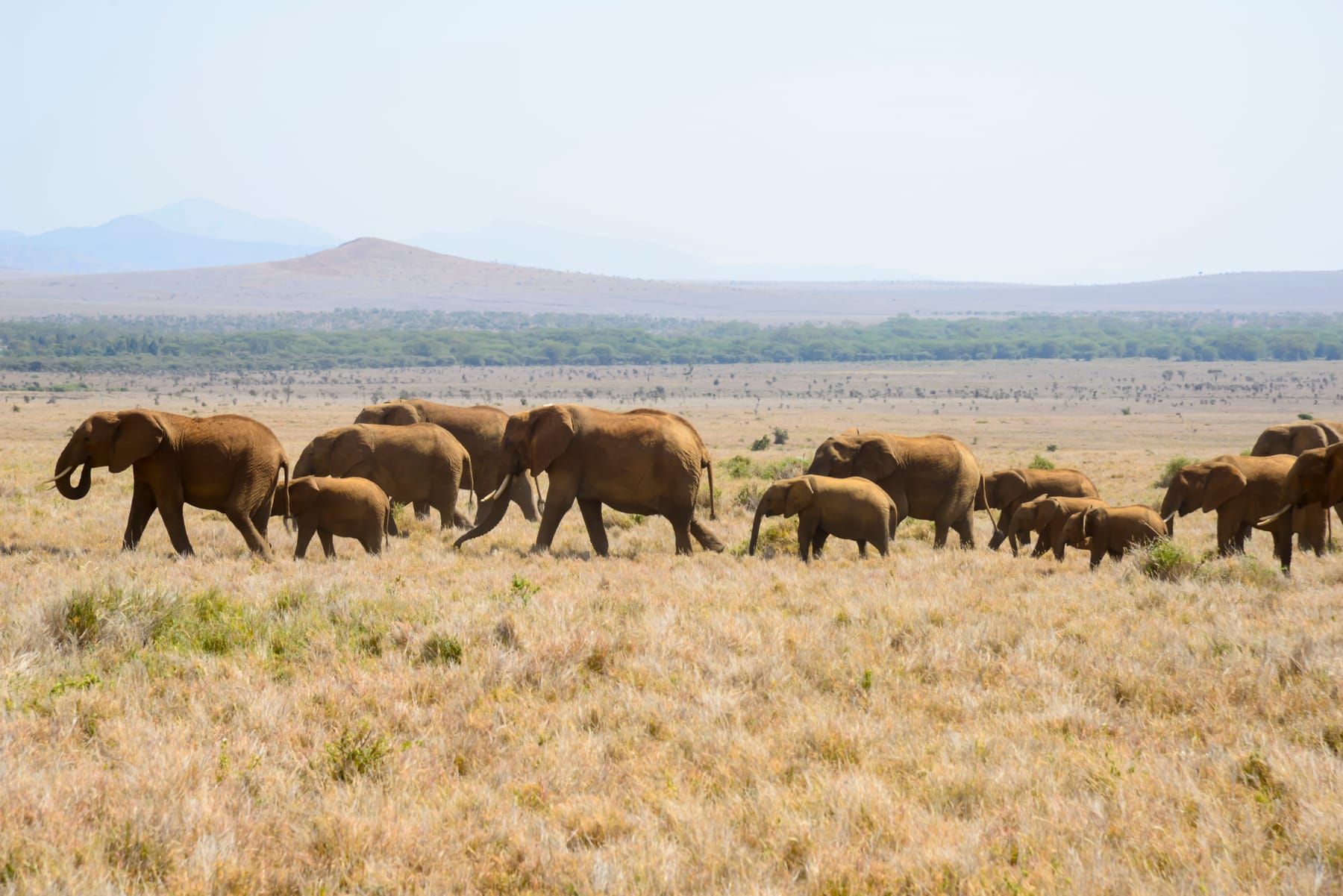
The African forest elephant has lost more than 86% of its population in three decades. The African savanna elephant has declined by roughly 60% since 1970. In 2021 the IUCN assessed the two species separately for the first time and listed the forest elephant as Critically Endangered and the savanna elephant as Endangered. The Asian elephant is Endangered as well. Poaching for ivory and the steady loss of habitat are the reasons.
When you adopt an elephant symbolically, you are funding the people working to reverse those numbers. You are not taking an elephant home, and no legitimate program will offer to let you. What a symbolic adoption buys is the daily, expensive work of keeping elephants alive: rescue, rehabilitation, anti-poaching patrols, and the protection of the land they need. Here is what that looks like, and the organizations doing it well.
What symbolic elephant adoption means
A symbolic adoption is a donation made in the name of an elephant, usually a specific rescued or monitored animal. Programs are split between the two African species and the Asian elephant, which face different threats and need the money spent on different things: ivory poaching on one side, and conflict with farmers over land and crops on the other. You don’t own it and you don’t receive it. Your gift goes to a sanctuary, trust, or research group, and you typically get a certificate, a photo, and updates on that elephant and the program behind it.
The updates are genuinely rewarding to follow, but the value of the adoption is in the care it funds. Raising a single orphaned elephant to the point of release can take years of milk formula, round-the-clock keepers, and veterinary care, and protecting wild herds means funding rangers, tracking collars, and the legal fight against the ivory trade. Your adoption pays for some slice of that.
The best programs to adopt an elephant
Each of these organizations has a clear, established record. They work in different places and on different parts of the problem, so choose the one whose work you most want to fund.
Sheldrick Wildlife Trust (Kenya)
The Sheldrick Wildlife Trust (sheldrickwildlifetrust.org) runs one of the best-known orphaned-elephant rescue operations in the world, raising calves orphaned by poaching or drought and rewilding them through its reintegration units in Tsavo. Adopting an elephant here funds the milk, keepers, and veterinary care behind a single orphan’s return to the wild.
Save the Elephants (Kenya)
Save the Elephants (savetheelephants.org) is a research and protection organization based in Samburu, Kenya, known for tracking elephants by GPS collar and using that data to fight poaching and ease human-elephant conflict. A symbolic adoption supports the monitoring and anti-poaching work that keeps wild herds safe.
Wildlife SOS (India)
Wildlife SOS rescues elephants from abusive captivity in India and cares for them at its Elephant Conservation and Care Centre near Mathura, established in 2010. Adoptions fund the medical treatment, specialized diets, and lifelong care that formerly exploited elephants need, many of them arriving with chronic injuries.
The Elephant Sanctuary in Tennessee (USA)
The Elephant Sanctuary in Tennessee (elephants.com) provides a permanent home to elephants retired from zoos and circuses, across thousands of acres of natural habitat. Because the elephants here cannot return to the wild, adoptions fund lifelong care: veterinary treatment, enrichment, and space to simply be elephants.
Elephant Nature Park (Thailand)
Run by the Save Elephant Foundation, Elephant Nature Park near Chiang Mai rescues elephants from logging and tourist-riding operations and rehabilitates them in a no-riding sanctuary model. Adoptions support food, medical care, and the foundation’s broader work to change how elephants are treated in Thai tourism.
African Wildlife Foundation
The African Wildlife Foundation works across the continent on anti-poaching, habitat protection, and reducing conflict between elephants and farming communities. A symbolic adoption supports that landscape-scale work, which protects elephants by protecting the places they live.
What an adoption actually costs to deliver
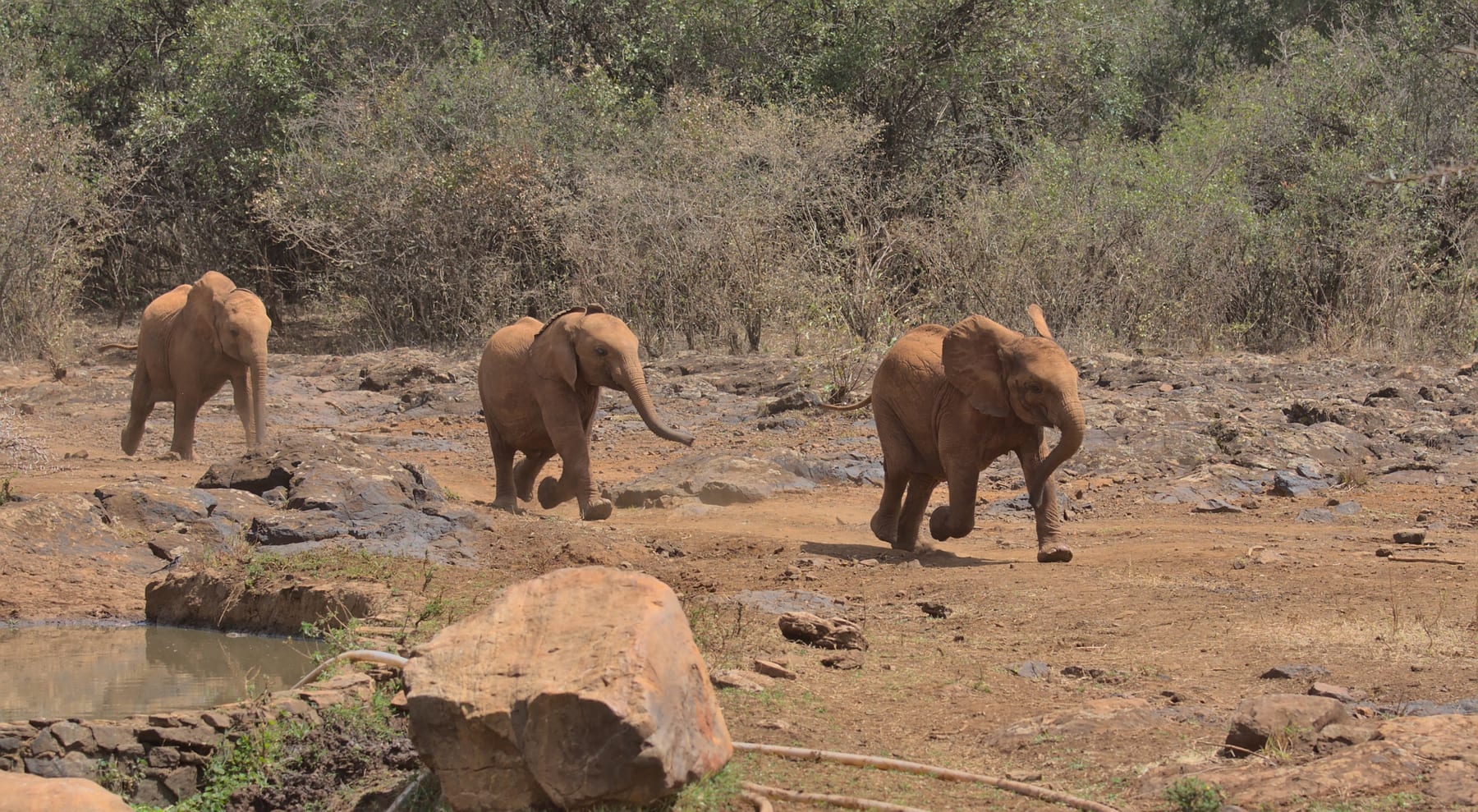
It helps to know the scale of what you are contributing to, because elephant care is unusually expensive even by conservation standards.
An orphaned calf cannot digest cow's milk and needs a specialized formula, fed every three hours around the clock for the first two years. Keepers sleep in the stockades with them, and rotate deliberately so no calf bonds to one person, because a calf that fixates on a single human struggles to transfer its trust to a wild matriarch later. Reintegration into a wild herd is not a release date. It is a process that runs from roughly age three to age ten, with the elephant choosing its own pace.
An adult elephant eats 150 kilograms of vegetation a day and can live past 60. For sanctuaries caring for elephants that will never be released, an adoption is a contribution to a commitment measured in decades, not seasons.
That is what makes the recurring version of these programs more useful than a one-off gift. Predictable monthly income is what lets an organization hire a keeper, and keepers are the entire operation.
Red flags worth knowing
A few things separate a legitimate program from a marketing exercise.
Be cautious about any organization that offers contact with the elephants as part of the adoption. Bathing, feeding, and photo opportunities require an animal trained to accept strangers on demand, which is the opposite of what a rehabilitation program is trying to achieve. Our guide to choosing an ethical elephant sanctuary covers why that distinction matters.
Be cautious about breeding. A sanctuary population should shrink over time as animals are released or age out, not grow.
And look for organizations that publish what happened to the animal you funded, including when it did not survive. Orphaned calves arrive dehydrated and traumatized and not all of them make it. A program that only ever reports good news is managing your feelings rather than informing you.
Does it work as a gift
Symbolic adoptions are bought as gifts more often than for the buyer, and they are a better gift than they are usually given credit for, with one caveat.
What makes them land is specificity. An adoption tied to a named elephant with a history, a rescue date, and monthly updates gives the recipient something to follow for a year. That is a different experience from a receipt saying a donation was made in their name, and it is the reason the certificate-and-photo format persists.
The caveat is that the recipient inherits the relationship. If they are going to feel obligated to renew a subscription they did not choose, a one-year adoption that ends cleanly is kinder than an open-ended one. Check whether the program auto-renews before you buy.
For a child, the update cycle is most of the value. Following one animal for a year teaches more about what conservation actually involves, including the slow parts, than any amount of explanation. Our gift guide for animal lovers has other options in the same spirit.
How to choose an elephant adoption program
Match the program to what you want your money to do, then check a few things before you give.
If you want your gift to follow one animal, choose a rescue and rewilding program like Sheldrick or Wildlife SOS, where adoptions track an individual elephant. If you care most about stopping the threats, choose a research or landscape group like Save the Elephants or the African Wildlife Foundation. Either way, look for an organization that explains what your donation pays for at the operational level, that publishes its work, and that is a registered nonprofit or has a clear fiscal sponsor.
It also helps to understand the animal you are funding. Our complete guide to elephants covers the differences between the three species, and if you would rather see them in person, do it through ethical wildlife tourism that does not put elephants to work.
You can compare verified sanctuaries and conservation projects by species and location in our directory of projects, including every organization named above that we have verified. An elephant adoption will not, on its own, move the IUCN numbers at the top of this page. Enough of them, directed at the organizations doing the hardest work, are part of how those numbers start to turn.