Complete Guide to Elephants: Everything to Know About The World’s Largest Land Mammal
Elephants are awe-inspiring mammals and the largest land animals on Earth, weighing up to an incredible 12,000 pounds (5,443 kg). These giants belong to the Elephantidae family and are divided into three subspecies:
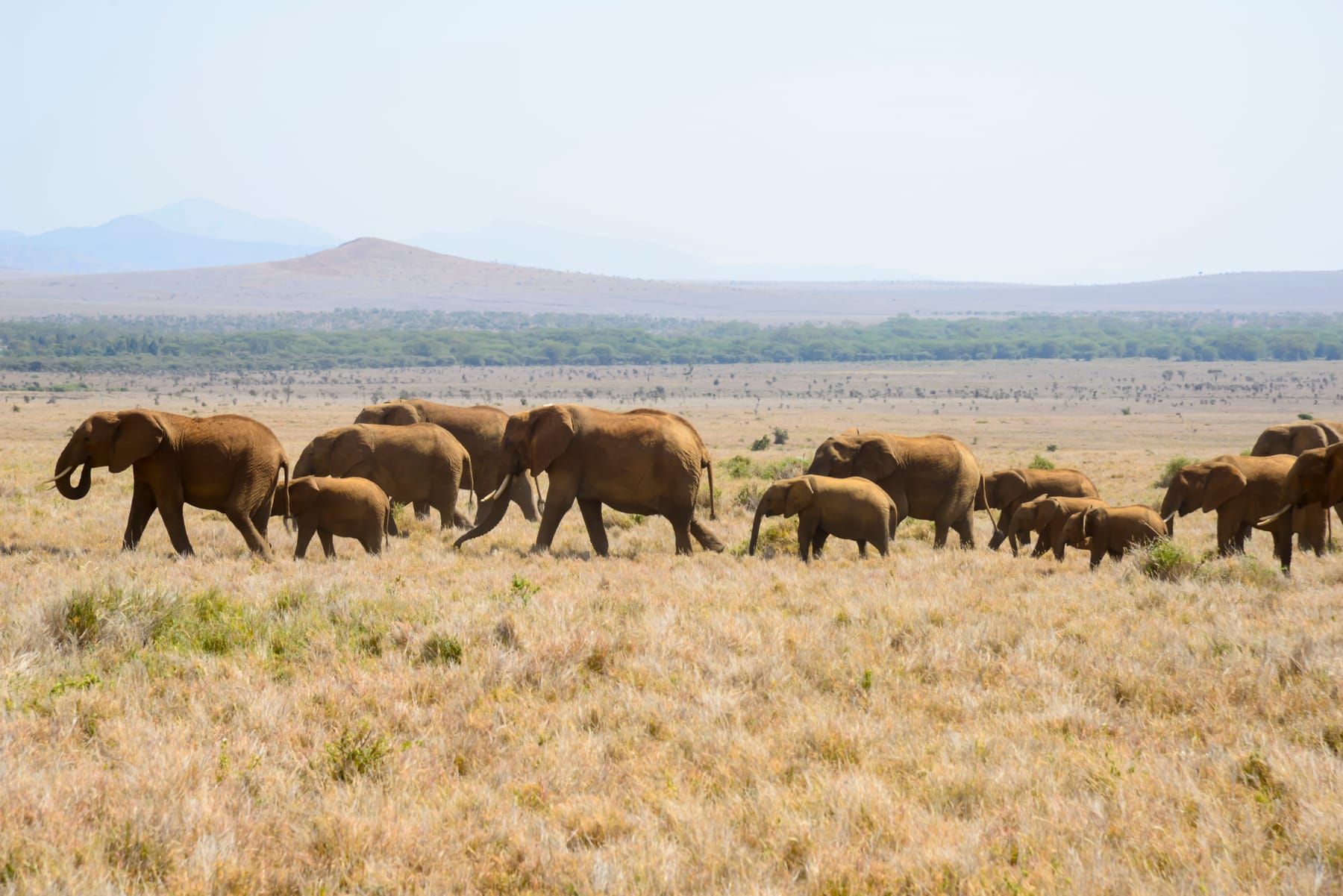
African Bush Elephant (Loxodonta africana): The largest of the three, found in the savannas and grasslands of sub-Saharan Africa. They live in large, matriarchal herds.
African Forest Elephant (Loxodonta cyclotis): Smaller and more elusive, these elephants inhabit the dense rainforests of Central and West Africa and are generally more solitary.
Asian Elephant (Elephas maximus): Found in tropical forests and grasslands across South and Southeast Asia, they have smaller ears, a domed head, and a long history of interacting with humans.
Telling the three apart is easier than it sounds once you know that ear shape, back profile, and the tip of the trunk all differ, and our guide to African vs Asian elephants walks through each of those. Unfortunately, elephants face serious threats, including poaching, habitat destruction, and conflicts with humans. These challenges have led to declining populations. African forest elephants are critically endangered, and while the other subspecies are slightly better off, they are still vulnerable.
Conservation efforts are underway to protect elephants and their habitats, tracked by groups including Save the Elephants. Despite the difficulties, elephants remain powerful symbols of strength, wisdom, and ecological importance, reminding us why it’s crucial to safeguard their future.
How many elephants are left in the world?
The global elephant population is estimated at around 415,000, with the African bush elephant making up the largest portion at about 350,000. African forest elephants and Asian elephants each have populations ranging from 40,000 to 50,000.
Although these numbers may seem significant, elephant populations have sharply declined due to poaching, habitat destruction, and increasing human-elephant conflict. Poaching for ivory continues to be a major threat, particularly to African elephants, while deforestation and agricultural expansion have increasingly fragmented the habitats of both African forest and Asian elephants. Human-elephant conflict, especially in areas where human populations are growing, is also contributing to the decline.
Efforts to conserve elephants are ongoing, including anti-poaching initiatives, habitat protection, and programs that engage local communities in elephant conservation. However, the continuing threats to their survival highlight the urgent need for stronger, more effective conservation strategies to protect these iconic animals for future generations.
Are elephants an endangered species?
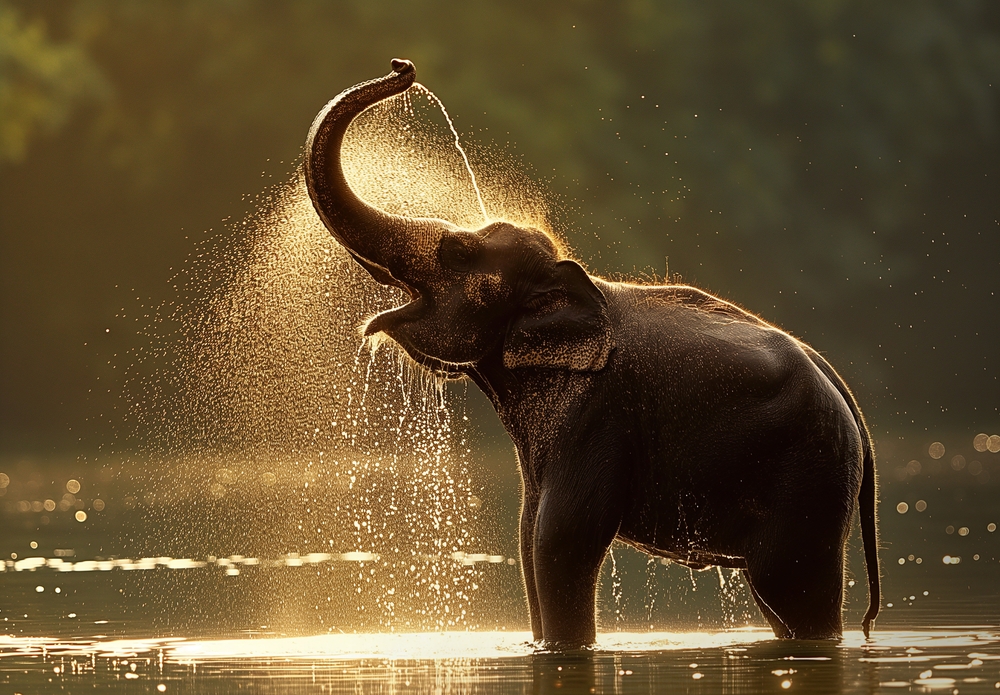
Elephants are considered endangered, with the level of threat varying by species. African forest elephants (Loxodonta cyclotis) are classified as critically endangered by the International Union for Conservation of Nature (IUCN), with their population severely impacted by poaching for ivory, habitat loss due to deforestation, and fragmentation of their habitats. African bush elephants (Loxodonta africana) are listed as vulnerable, facing significant challenges from poaching and habitat destruction as human activities encroach on their territories. Asian elephants (Elephas maximus) are also endangered, with their numbers declining due to habitat loss, fragmentation, poaching, and increasing human-elephant conflict.
All three elephant species face serious threats, highlighting the urgent need for effective conservation efforts to prevent further declines and ensure their survival.
What do elephants eat?
Elephants, as herbivores, maintain a diverse diet that includes grasses, fruits, leaves, and tree bark. Their substantial size necessitates a significant daily intake, with adult elephants consuming up to 300 pounds of vegetation.
Beyond their impressive consumption, elephants are crucial to the health and balance of their ecosystems. Their feeding behaviors shape the landscape, influencing plant composition and distribution. Additionally, their dung plays a pivotal role in nutrient cycling, enriching the soil, promoting plant growth, and supporting a wide range of organisms.
As keystone species, elephants help control vegetation, spread seeds, and shape their environments, a role WWF describes as ecosystem engineering. Their presence is vital to the proper functioning of these ecosystems.
What is the gestation period for an elephant?
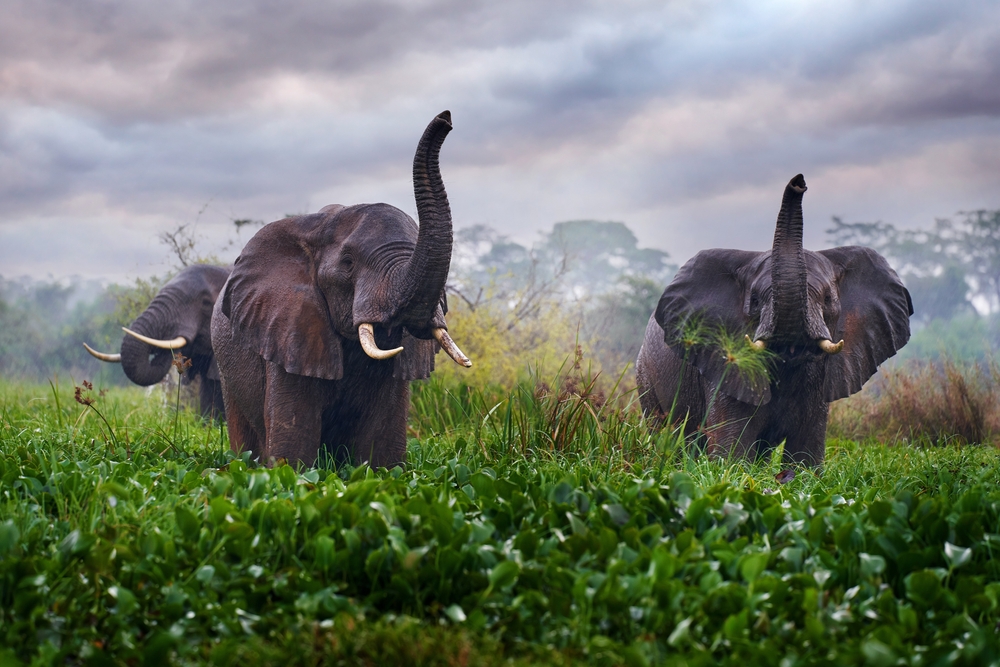
Elephants have the longest gestation period of any land mammal, lasting around 22 months. This extended pregnancy allows the fetus to fully develop, which is essential for these large animals with their complex physiological systems.
For African elephants (Loxodonta africana), gestation typically lasts 640 to 660 days, while for Asian elephants (Elephas maximus), it averages slightly shorter at about 640 days. Elephant calves are substantial at birth, weighing between 200 and 250 pounds (90 to 113 kg) and standing approximately 3 feet (1 meter) tall at the shoulder.
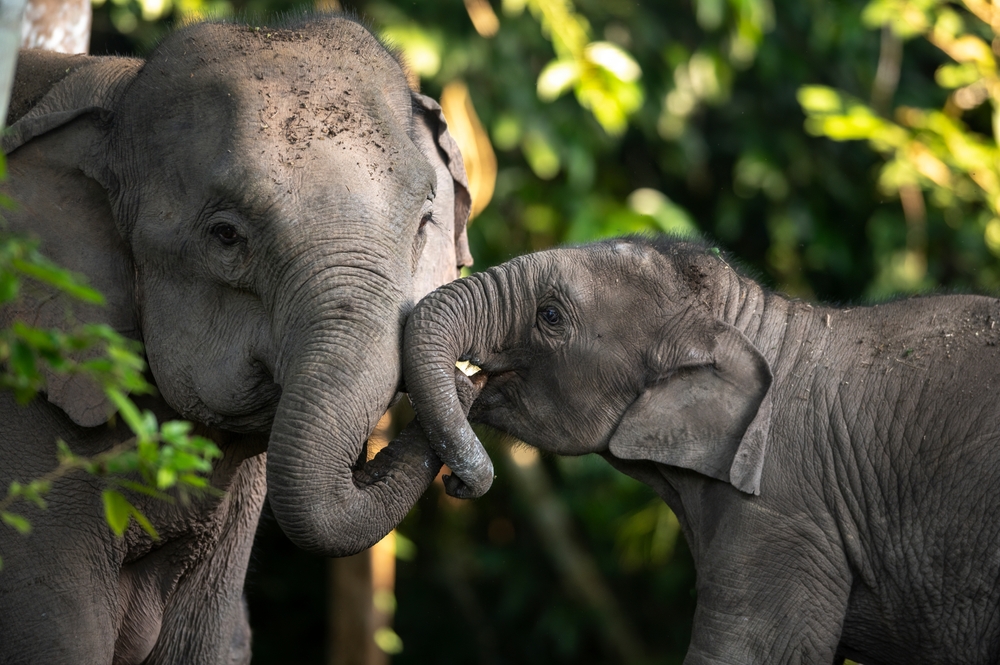
Elephant calves are born nearly blind, relying on their sense of touch, smell, and hearing to navigate their new environment. They are highly dependent on their mothers and other female herd members, known as “allomothers,” for nourishment, protection, and social learning. Calves nurse for up to two years, though they may start eating solid food as early as six months old.
The long gestation period and prolonged maternal care are crucial for an elephant calf’s survival. During these formative years, calves learn vital skills, such as identifying food sources, recognizing predators, and understanding social behaviors within the herd.
10 Fun Facts About Elephants
Incredible Memory: Elephants are known for their impressive memory. They can remember locations, other elephants, and even people for years! This helps them find water sources and navigate their environment.
Big Ears for Cooling: An elephant’s ears are not just for hearing. They help keep them cool. Blood vessels in their ears release heat, helping regulate their body temperature.
Sensitive Skin: Despite their thick skin, elephants are incredibly sensitive. They use their trunks to bathe themselves, scratch, and even communicate with each other.
Trunk Magic: An elephant’s trunk is a highly versatile tool, with over 150,000 muscle units! They use it for breathing, drinking, grabbing objects, and even socializing with other elephants.
Unique Communication: Elephants communicate with each other using low-frequency sounds called “infrasound,” which can travel for miles. They also use body language, such as ear flapping or trunk gestures.
Long Pregnancy: Elephants have the longest gestation period of any land mammal, lasting about 22 months, almost two years.
Toe-Tapping: Elephants have a unique way of sensing vibrations. They can detect seismic signals (like the footsteps of other elephants) through their feet and trunks.
Social Creatures: Elephants are very social and live in tight-knit family groups led by a matriarch. These herds are close, with strong bonds between mothers and their calves.
Tuskless Elephants: In some regions, elephants are being born without tusks as a result of intense poaching. This is a natural survival adaptation, but it also highlights the devastating effects of ivory hunting.
Elephant “Paintings”: Some elephants, particularly those in captivity, have been trained to create artwork by holding brushes with their trunks. The results can be surprisingly artistic!
What are the best elephants sanctuaries to visit?
Visiting and supporting elephant sanctuaries is a meaningful way to contribute to the protection and well-being of these magnificent animals. Several sanctuaries around the world are dedicated to the ethical care and rehabilitation of elephants, offering safe havens for those rescued from abuse, exploitation, or captivity. Here are some of the best elephant sanctuaries you can visit and support:
1. Elephant Nature Park (Thailand)
- Located near Chiang Mai, Elephant Nature Park is the best known ethical elephant sanctuary in Thailand. It rescues elephants from logging and tourist-riding operations and provides a safe, natural environment for them to live out their lives. Note what it does not offer: the park ended tourist bathing on 16 April 2018 and now runs on an observation model. Visitors watch from a platform above the Taeng river while the elephants bathe themselves, because putting an elephant in the water on cue is the same control the park exists to undo.
2. The Elephant Sanctuary in Tennessee (USA)
- Based in Hohenwald, Tennessee, The Elephant Sanctuary is dedicated to providing a safe, natural habitat for elephants that have retired from zoos, circuses, and other forms of captivity. The sanctuary offers a large, spacious environment where elephants can roam freely and engage in natural behaviors. While it’s not open for public tours, the sanctuary offers virtual visits and supports educational programs, allowing people to learn about elephant conservation and care.
3. Sheldrick Wildlife Trust (Kenya)
- Located in Nairobi, the Sheldrick Wildlife Trust is renowned for its elephant orphanage, where young elephants, often orphaned due to poaching or human-wildlife conflict, are rehabilitated and reintroduced into the wild. The trust operates conservation and anti-poaching initiatives, making it a critical player in elephant protection. Visitors can see the baby elephants during their public feeding times and support through adoptions or donations to fund their work.
4. Save Elephant Foundation (Thailand)
- The Save Elephant Foundation supports numerous elephant sanctuaries, with its flagship project being the Elephant Nature Park in Chiang Mai. The foundation works on elephants that have suffered from tourism exploitation, and it also pushes other Thai venues to drop tourist contact. Its own parks are observation-based rather than hands-on, which is the point.
5. Elephant Valley Project (Cambodia)
- Founded in 2006 in Mondulkiri, the Elephant Valley Project rescues elephants from logging and tourism work, and it holds the strictest visitor policy on this list. There is no riding, no washing, and no feeding, and visitors stay roughly 100 meters from the animals. Bullhooks, chains, and restraints are all forbidden. You hike to where the elephants are and watch them, which is what observation-only actually looks like in practice.
6. Wildlife SOS Elephant Conservation and Care Center (India)
- Located in Mathura, Uttar Pradesh, Wildlife SOS runs the Elephant Conservation and Care Center, which rescues elephants from abusive conditions in India. The sanctuary provides elephants with proper veterinary care, nutritious food, and a safe, natural environment. Wildlife SOS also focuses on rehabilitation, conservation, and public awareness. Visitors can meet the elephants, learn about their stories, and participate in educational programs to support the cause.
7. Elephant Freedom Project (Sri Lanka)
- A small, family-run sanctuary near Kegalle, the Elephant Freedom Project takes in elephants rescued from riding and logging work. It is deliberately tiny, caring for a handful of animals rather than running at tourist scale, and it does not offer rides. Sri Lanka is worth approaching carefully: several of the country's best known elephant attractions still involve riding or performance, so the name on the gate tells you very little.
8. Global Sanctuary for Elephants (Brazil)
- Global Sanctuary for Elephants built and runs Elephant Sanctuary Brazil, which takes in elephants retired from circuses and zoos across South America. Like the Tennessee sanctuary, it is closed to public contact entirely. There is no visitor experience to buy, which makes it a useful benchmark for what an elephant's interests look like when nothing is being sold alongside them.
Why Support Ethical Sanctuaries?
Ethical sanctuaries not only provide elephants with a safe and natural environment to recover from exploitation, but they also promote conservation, public education, and the eradication of unethical elephant tourism. Supporting these sanctuaries, whether through donations, adopting an elephant, or simply visiting with a commitment to ethical tourism, helps ensure the protection and long-term survival of elephants. Symbolic adoptions vary widely in what the money actually funds, from a named orphan's milk at Sheldrick Wildlife Trust to general operating costs, and they turn up often enough as presents that we cover them alongside the rest of our gift guide for animal lovers. When visiting any sanctuary, it’s important to ensure that the organization operates in an ethical and responsible manner, prioritizing the elephants’ well-being above all else. Knowing what to look for is the hard part, and our guide to choosing an ethical elephant sanctuary sets out the specific tests, including why observation-only venues are treated as the standard and why bathing experiences have quietly replaced riding at venues that market themselves as sanctuaries.