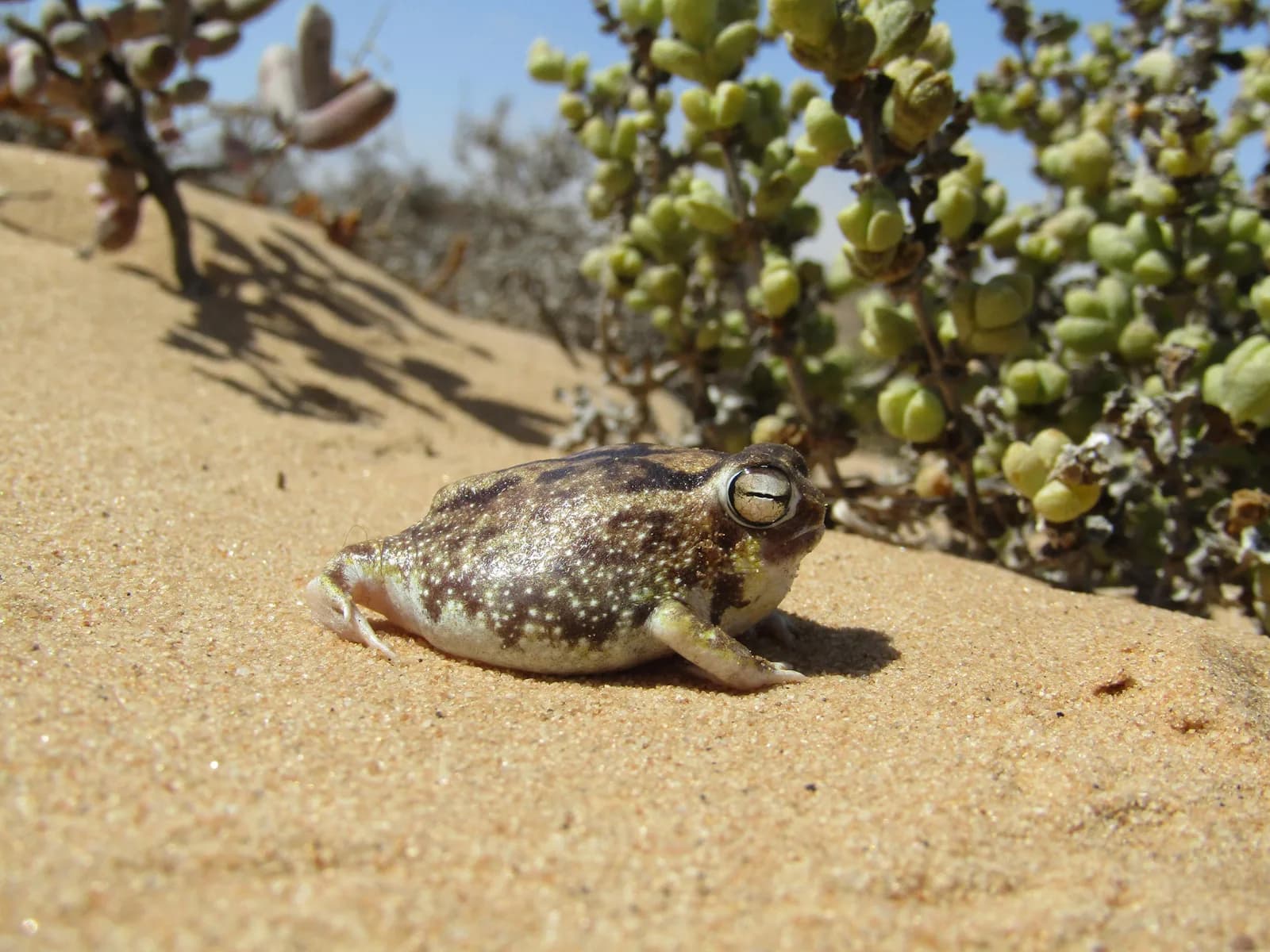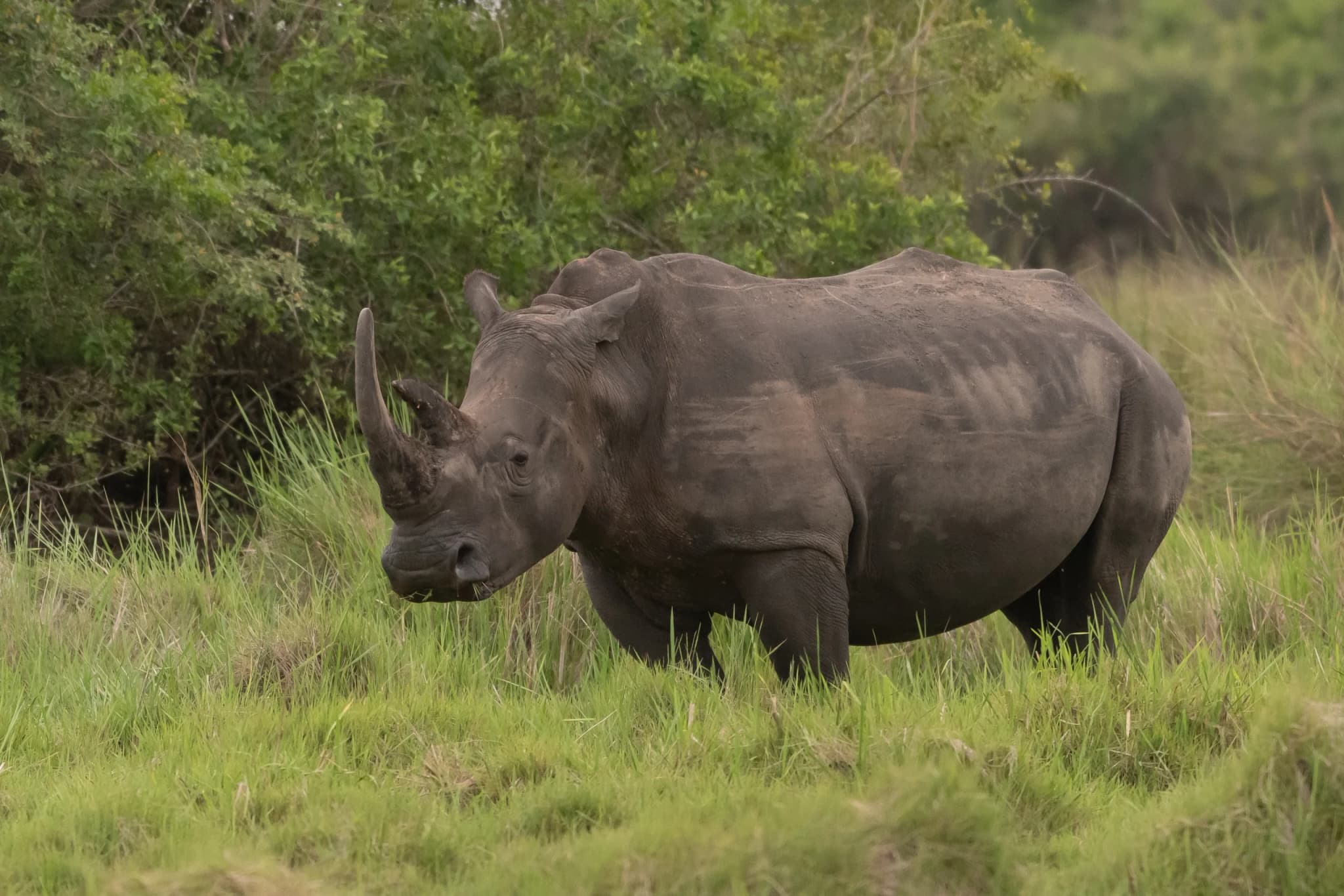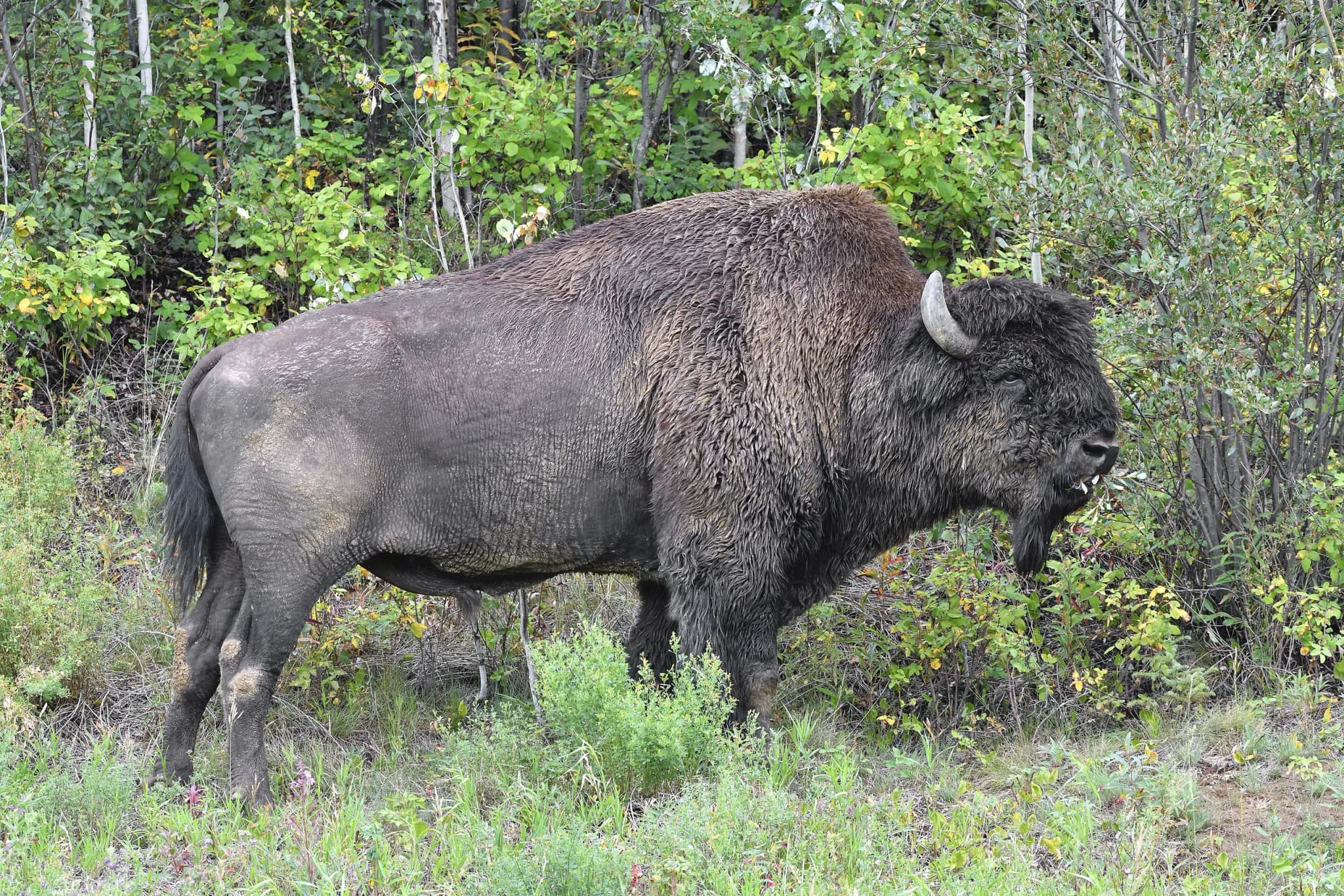
Not threatened yet. Whether that is good news depends entirely on which direction the animal is travelling.
Near Threatened sits just outside the three threatened categories on the IUCN Red List of Threatened Species. A species is placed here when it does not currently meet the thresholds for Vulnerable, Endangered, or Critically Endangered, but comes close to qualifying, or is likely to qualify in the near future if current pressures continue.
It is the category most often misread as safe. It is closer to a warning light than an all clear. Many species arrive here on the way down, from Least Concern, and the listing is the first formal signal that the trend has been noticed. Others arrive on the way up, from Vulnerable, as a protection effort starts working, which is a very different story with the same label.
Because the category straddles that line, the useful question for any Near Threatened animal is which direction it is moving and why. A species declining slowly because of steady habitat loss needs the loss stopped. A species recovering from a historic collapse needs the protection that produced the recovery to continue rather than be declared finished.
Conservation attention and funding tend to skip this category, going to animals already in trouble. That is understandable and it is also where the arithmetic is worst. Keeping a species out of the threatened categories costs far less than pulling it back out of them.
Near Threatened is an IUCN Red List category for a species that does not currently meet the criteria for Vulnerable, Endangered, or Critically Endangered, but is close to qualifying or is likely to qualify soon if current pressures continue.
No. Near Threatened sits below all three threatened categories. An endangered species already faces a very high risk of extinction, while a near threatened species does not yet meet any threatened threshold but is approaching one.
Because it is the cheapest point to intervene. Preventing a species from entering the threatened categories costs far less than recovering it afterward, and the listing is often the first formal signal that a decline has been detected.
In both directions. A species moves up to Vulnerable if its decline continues, and down to Least Concern if the pressure is removed and the population stabilizes. Which direction it is heading matters more than the label itself.