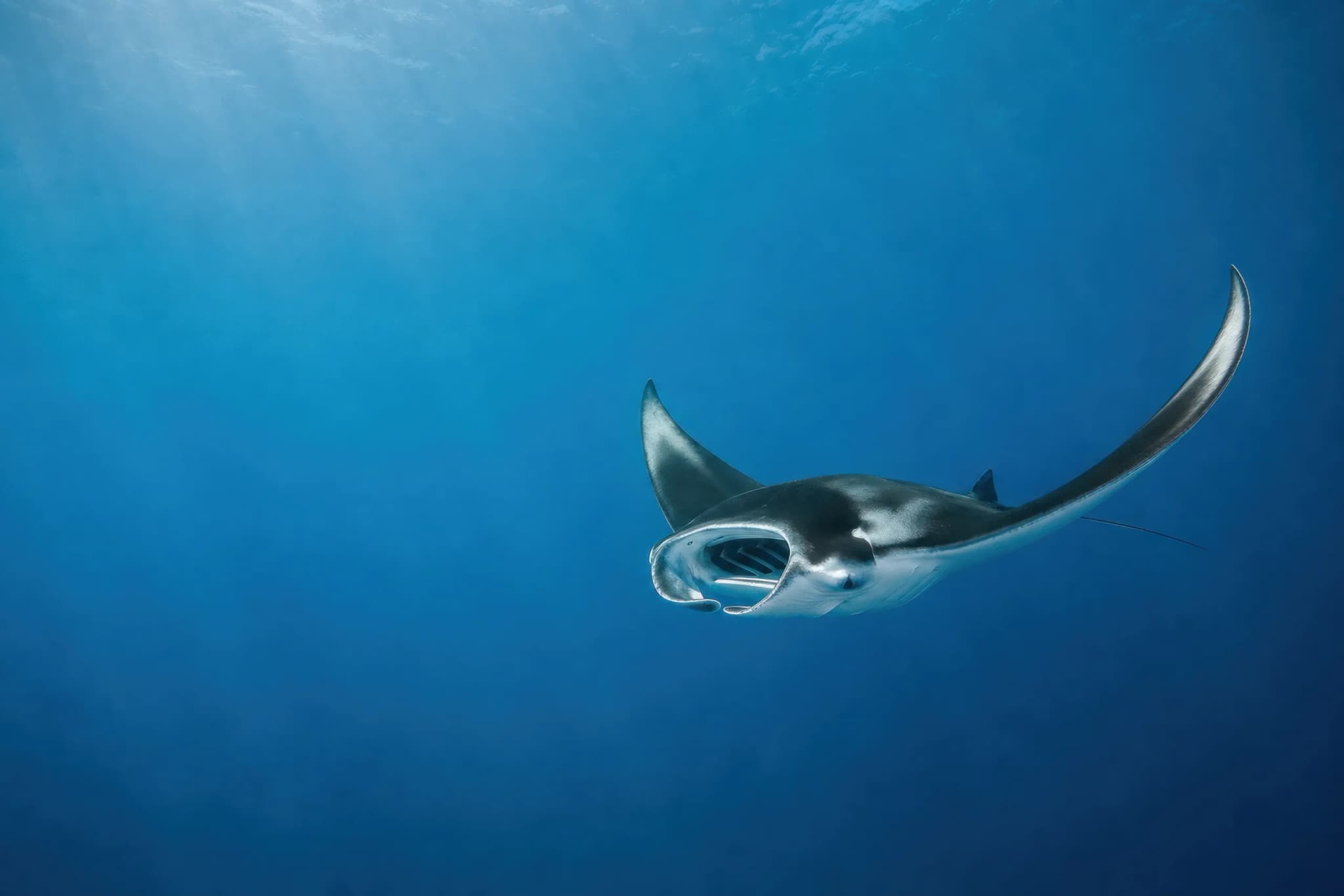
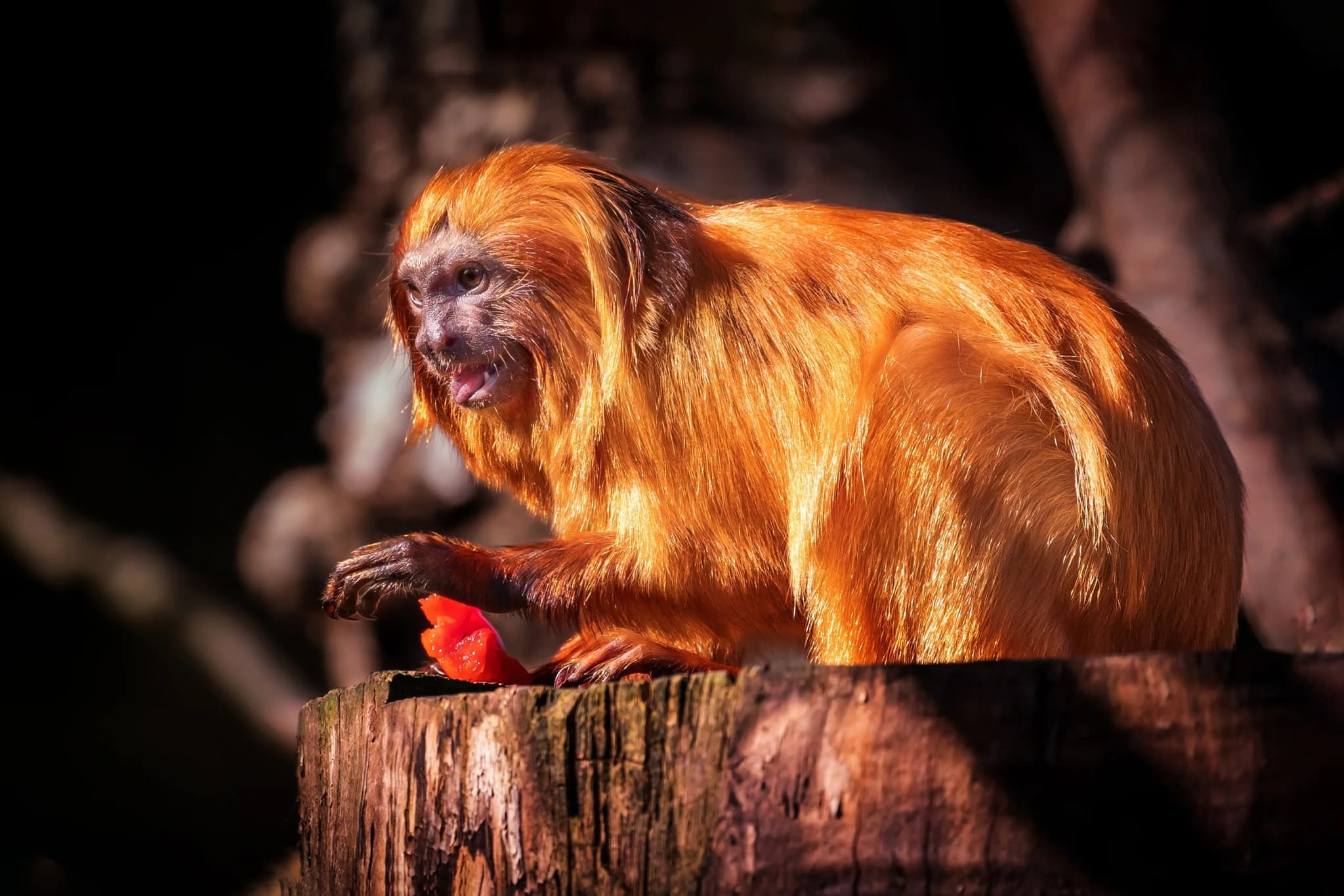
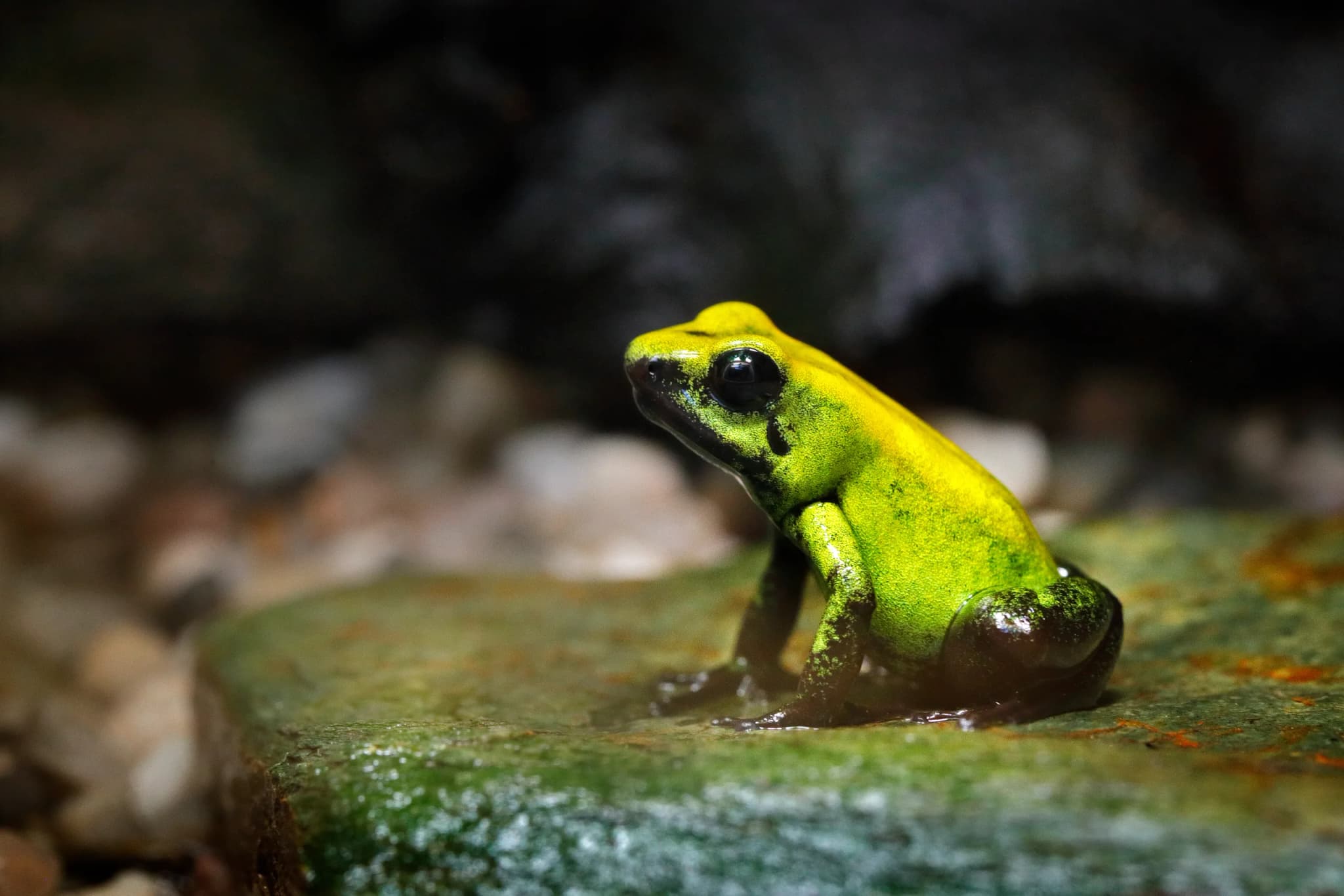
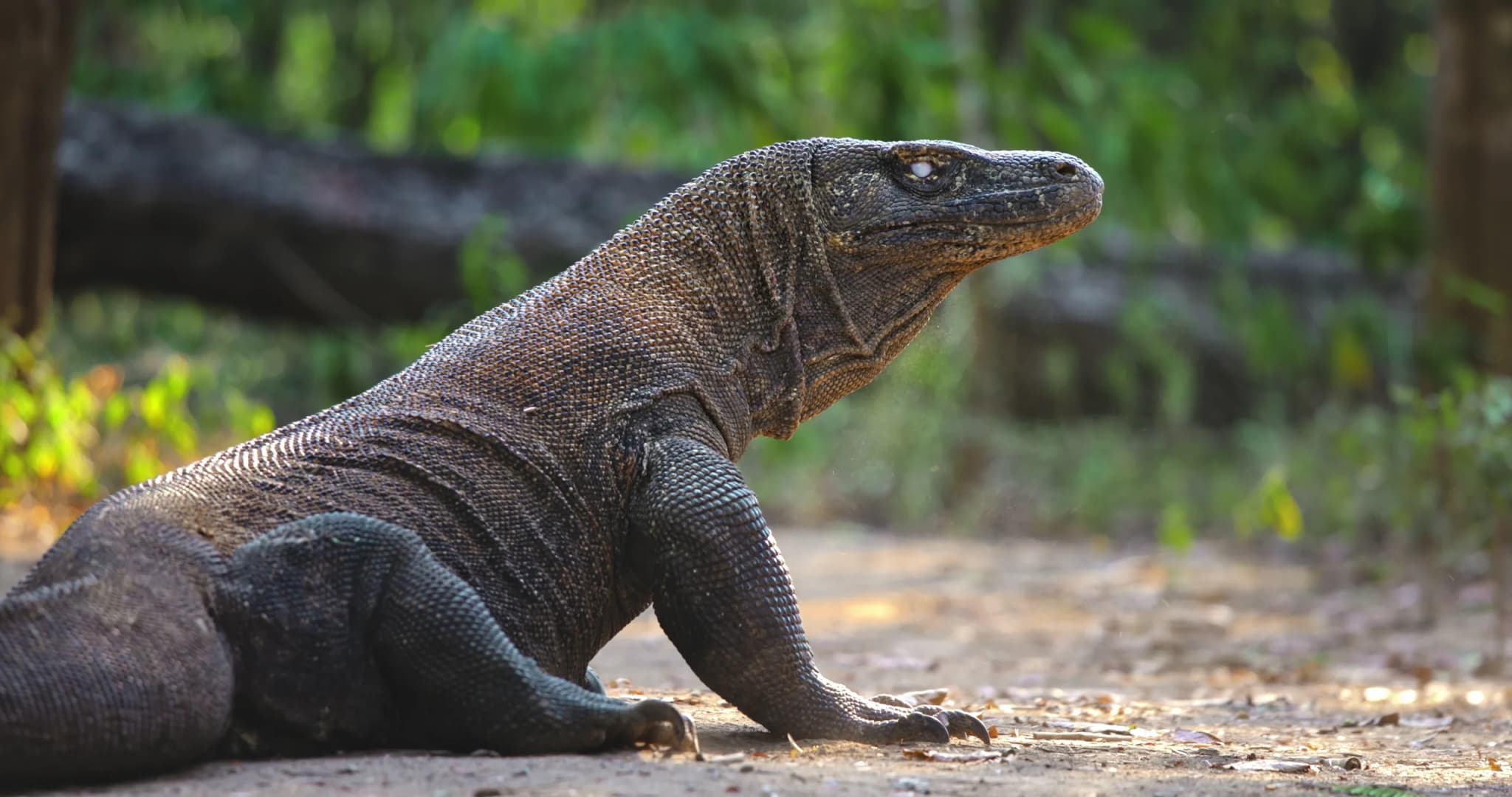
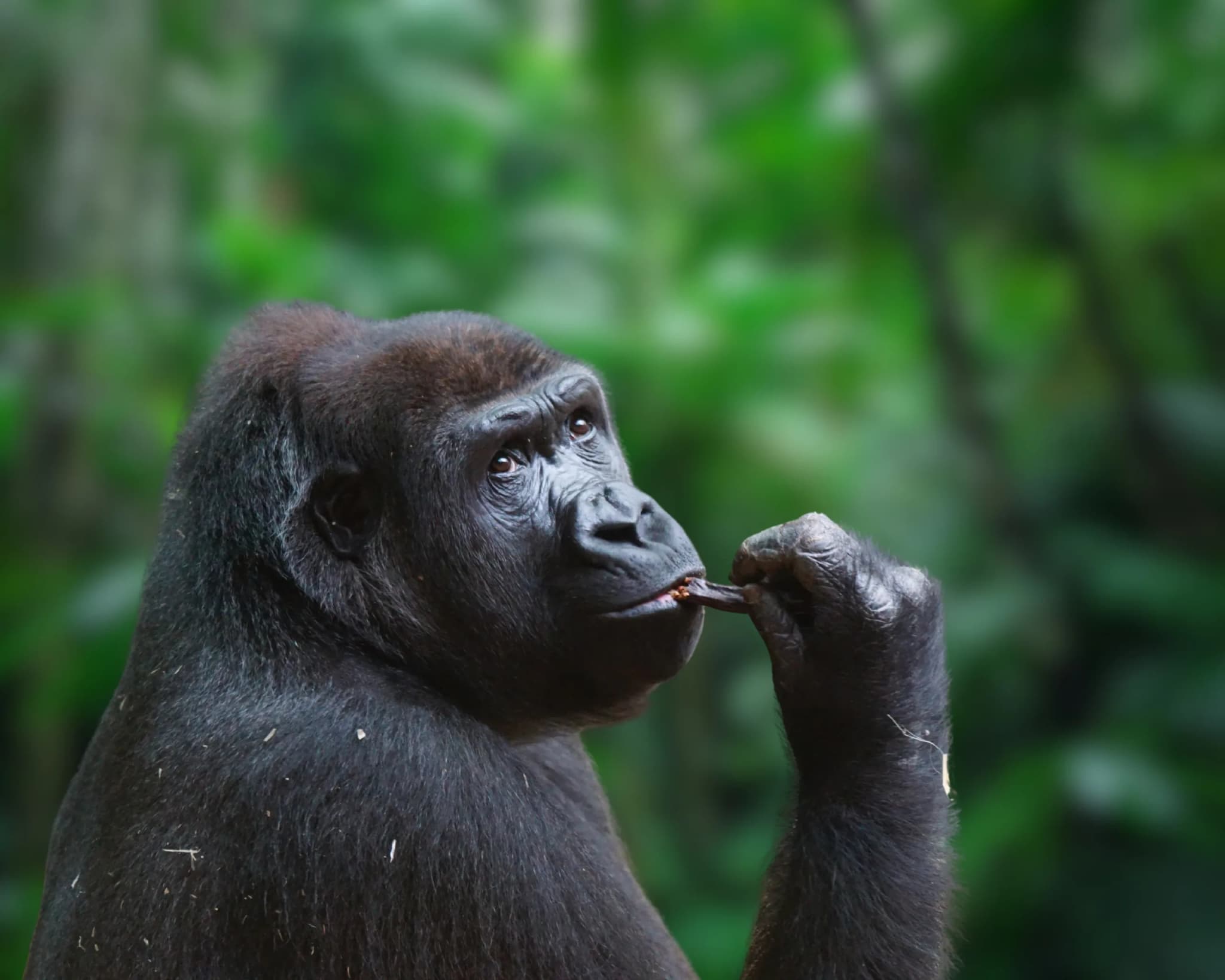
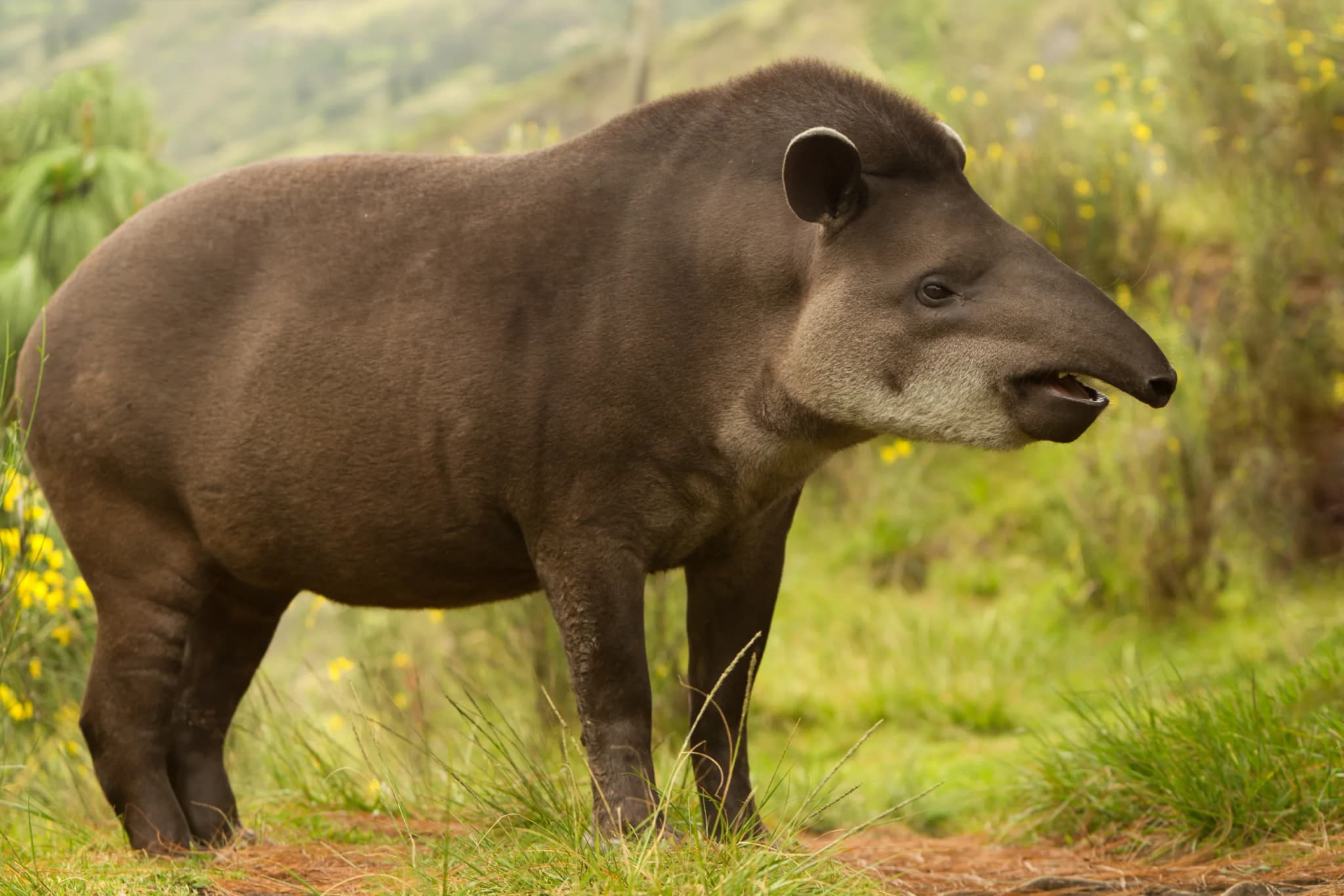
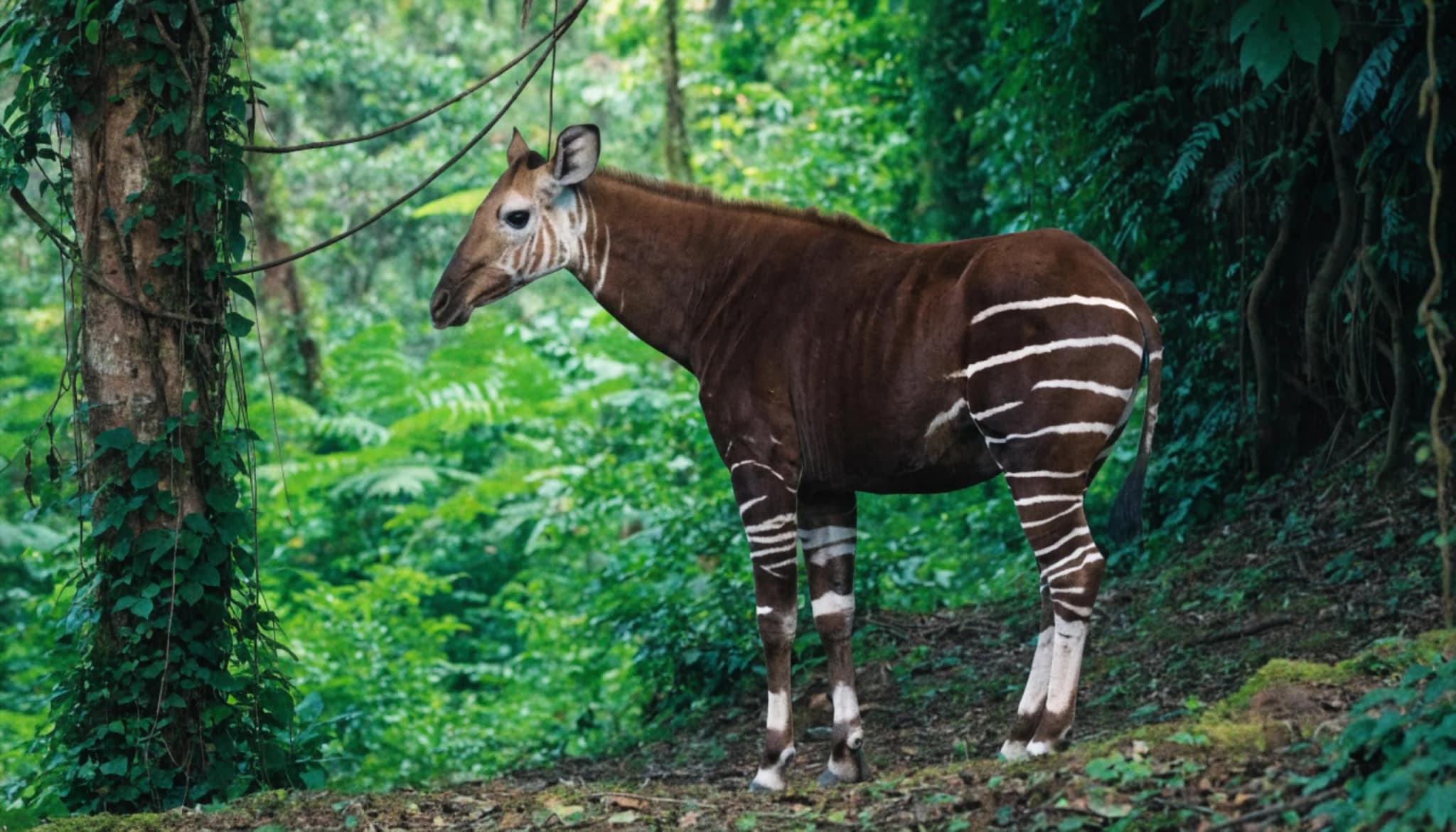
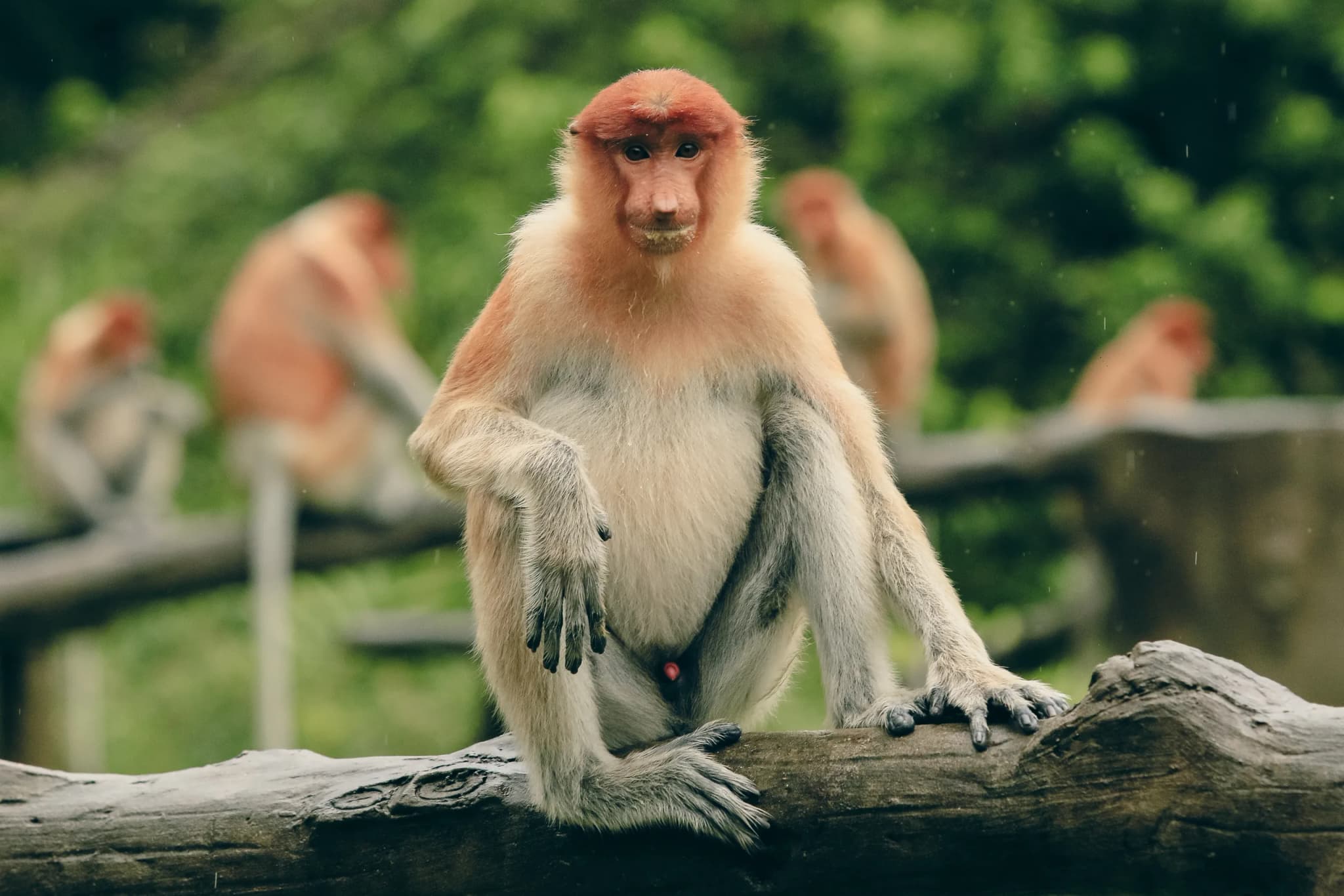
The last category before an animal is gone from the wild. Eighteen of them here, and what puts a species on this list has less to do with how few are left than most people assume.
Critically Endangered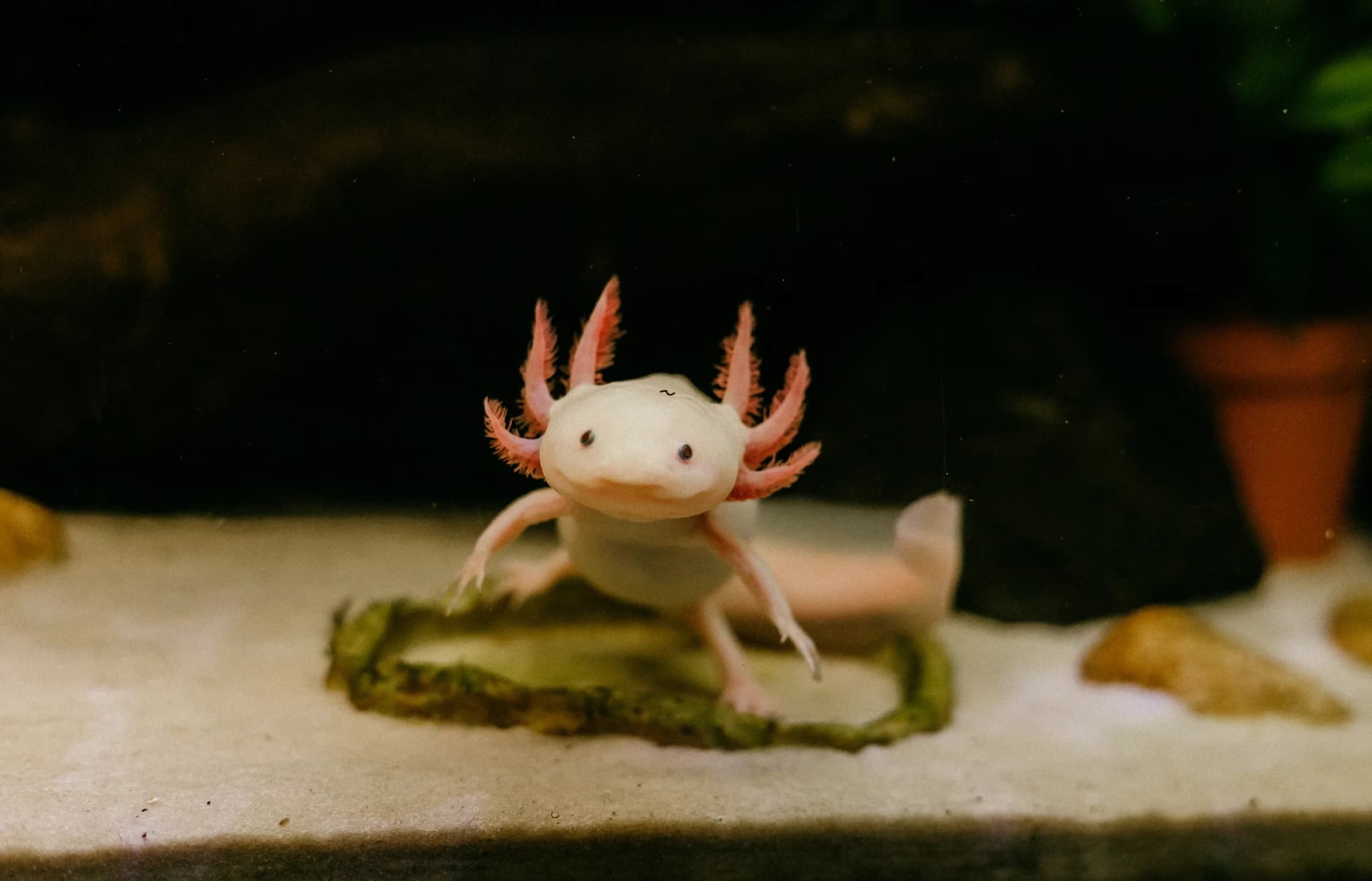 Critically Endangered
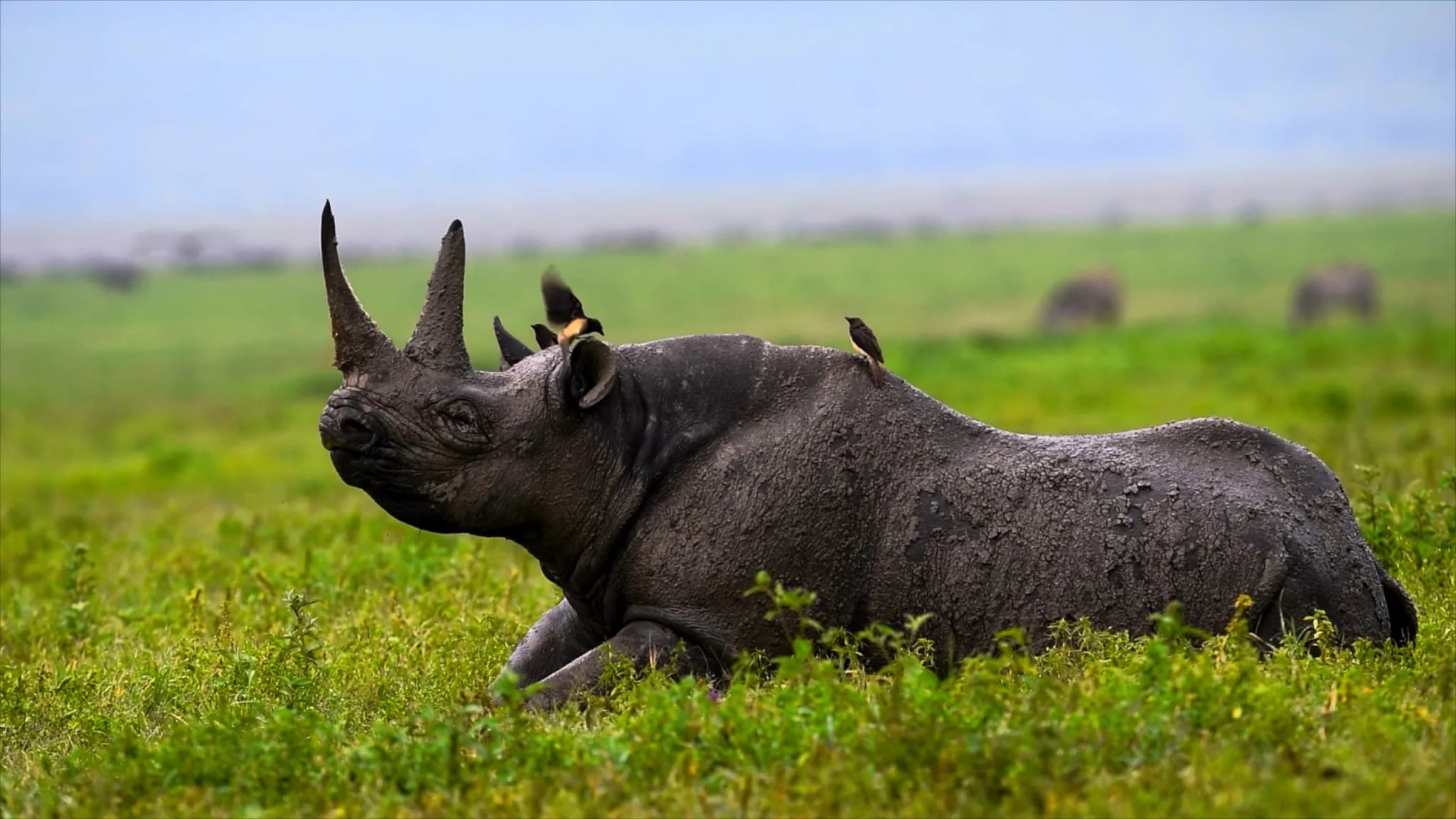 Critically Endangered
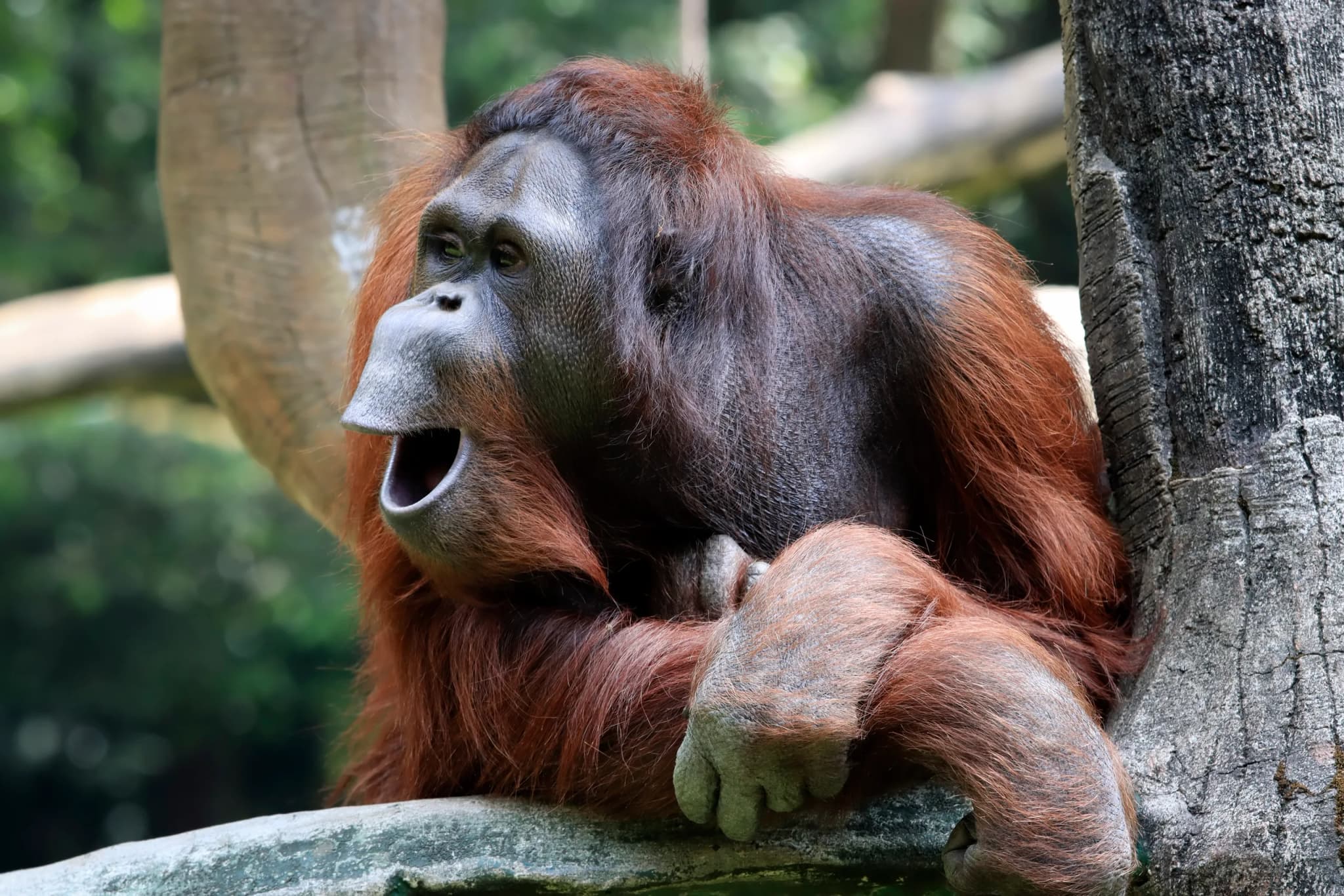 Critically Endangered
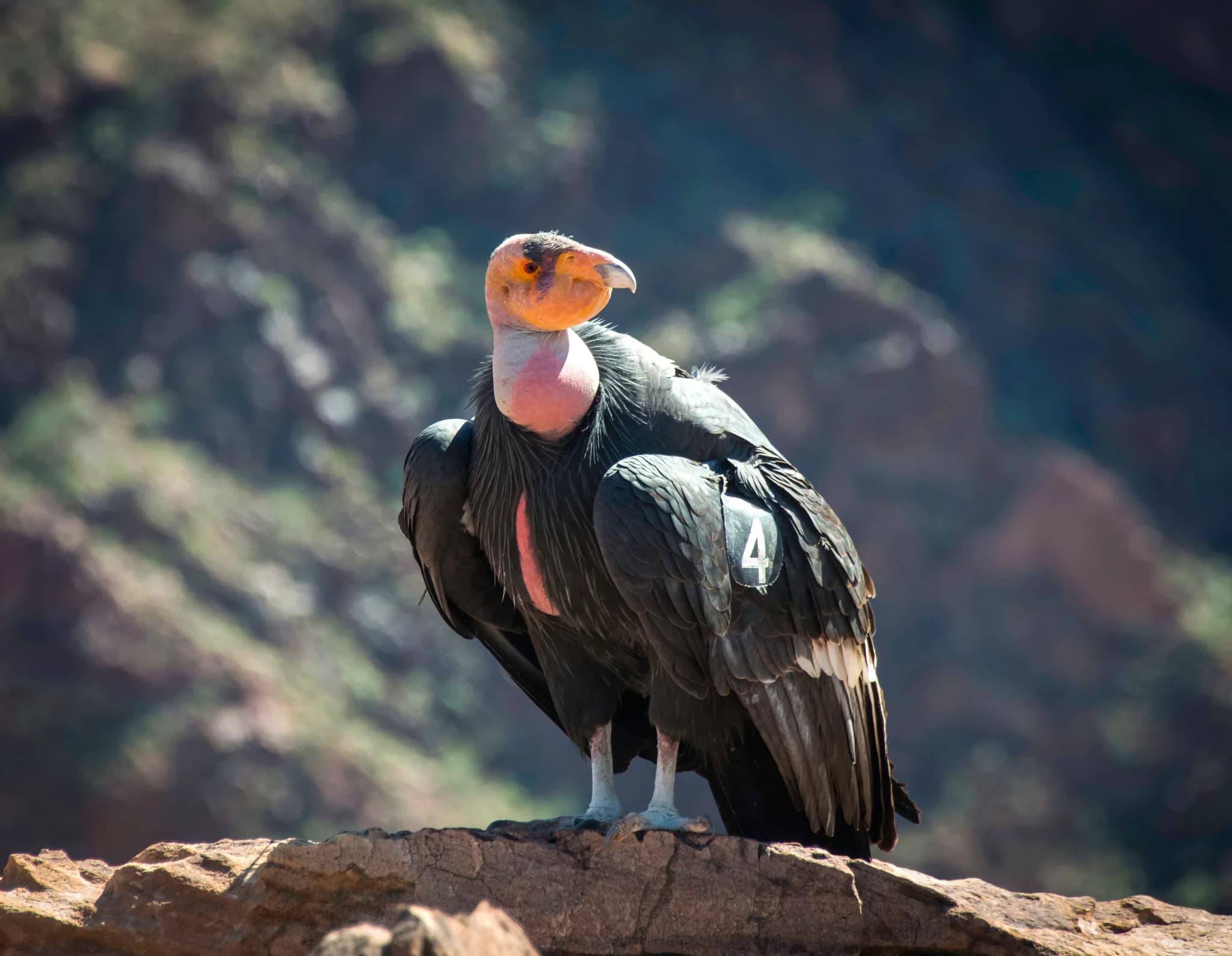 Critically Endangered
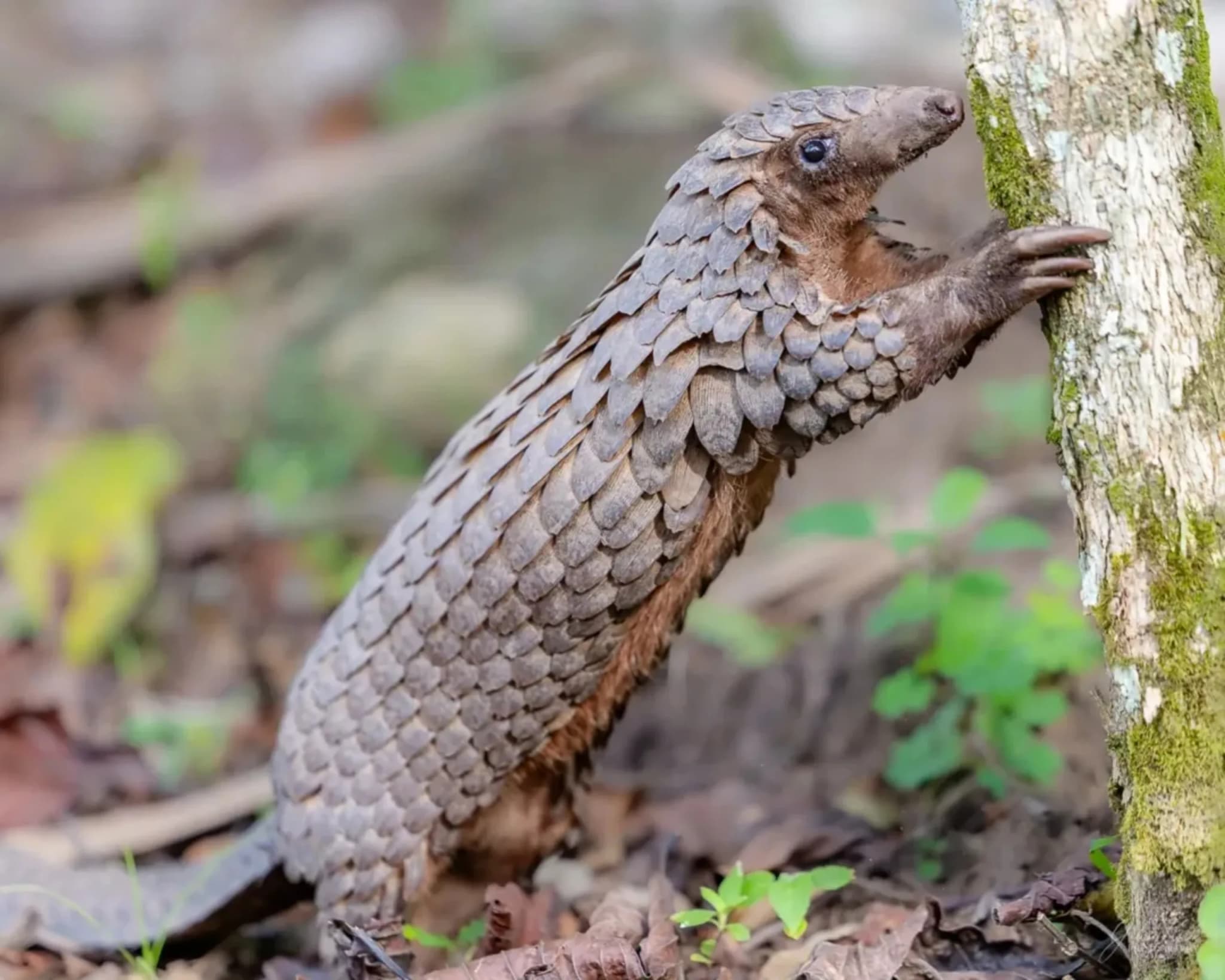 Critically Endangered
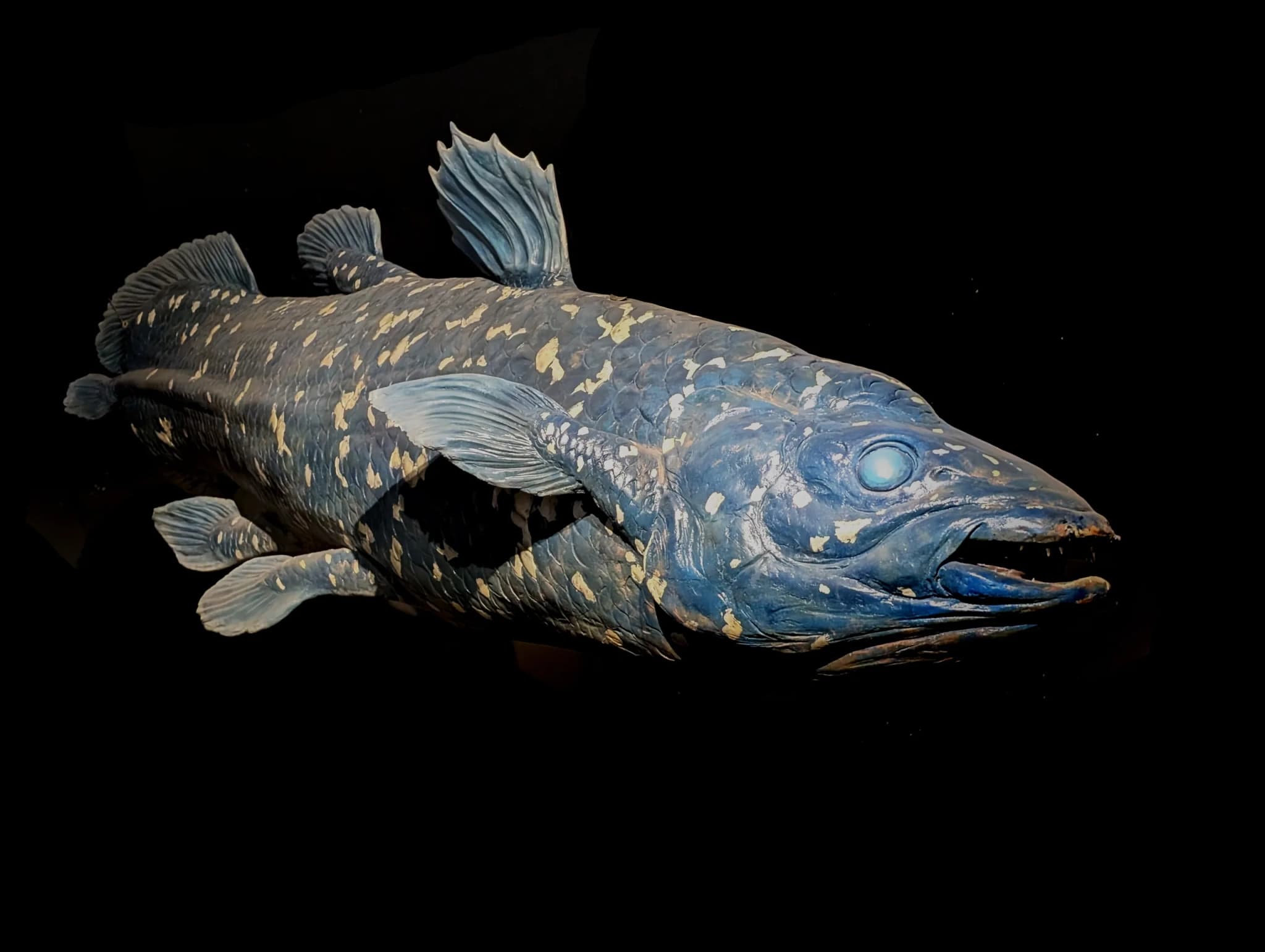 Critically Endangered
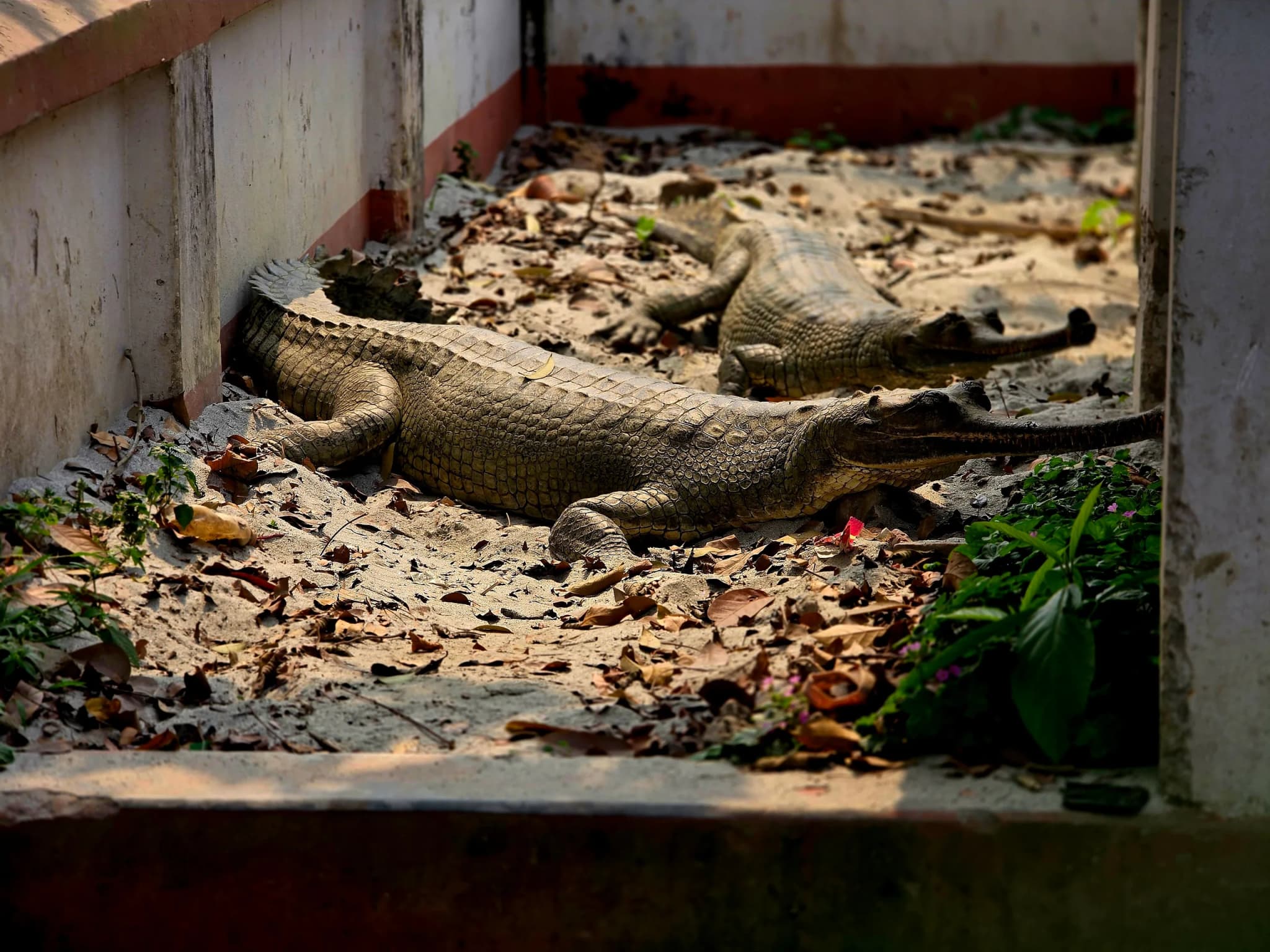 Critically Endangered
One category back from the edge, and facing the same threats.
A species lands in this category on the IUCN Red List of Threatened Species when it meets any one of five criteria, and a single one is enough. The best known is decline: a population reduction of at least 80% over the past ten years or three generations, whichever is longer, or at least 90% where the cause of the decline is understood and has not stopped. The others are about how little is left. A population estimated at fewer than 250 mature individuals qualifies. So does fewer than 50 mature individuals on its own, under the criterion that deals with very small populations. A species can also qualify on range alone, if it survives in a single location small enough that one fire, one disease outbreak, or one road can take it.
That structure explains something that surprises people. A Critically Endangered animal is not always rare in absolute terms. It is a species whose trajectory is steep enough, or whose remaining population is small enough, that extinction is a plausible outcome within a human lifetime. The category describes the slope, not only the number.
As of March 2026 the IUCN had assessed 172,620 species, and 10,774 of them are listed as Critically Endangered, about one in sixteen. The threats behind those listings repeat: habitat cleared for agriculture and timber, hunting and the wildlife trade, bycatch in fishing gear that was never aimed at them, invasive species on islands, and disease. Climate change increasingly compounds all five rather than replacing any of them.
Recovery is possible and it is slow. It usually looks like a small population that stops falling, then holds, then grows, across decades rather than seasons. It depends on the same unglamorous work in every case: protecting the places these animals still live, stopping the specific thing killing them, and paying the people who do that work locally. The organizations listed on each species page below are doing exactly that.
Discover critically endangered species around the world.
Critically Endangered is the highest risk category the IUCN Red List assigns to a living species, one step before Extinct in the Wild. A species qualifies if it has declined by at least 80% over ten years or three generations, or has fewer than 250 mature individuals left, among other criteria.
As of March 2026 the IUCN Red List listed 10,774 species as Critically Endangered, out of 172,620 species assessed. That is roughly one in sixteen. The real figure is higher, because most species on Earth have never been assessed at all.
Both mean a species faces extinction, and the difference is severity. Endangered means a very high risk, typically a 50% to 70% decline or fewer than 2,500 mature individuals. Critically Endangered means an extremely high risk: an 80% or greater decline, or fewer than 250 mature individuals.
Among the most precarious are the vaquita, a porpoise in the Gulf of California down to roughly a dozen animals, and the Javan rhinoceros, with about 76 individuals in a single Indonesian park. Both are Critically Endangered, and both are limited to one location, which is what makes them so vulnerable.
Yes, and it takes decades. The southern white rhinoceros recovered from fewer than 100 animals in the 1890s to over 15,000 today. Recovery needs three things at once: protected habitat, direct removal of the threat, and funding that outlasts a single grant cycle.