The cheapest point at which to intervene, and the one most people read as safe.
Vulnerable is the entry point to the threatened categories on the IUCN Red List of Threatened Species. Vulnerable, Endangered, and Critically Endangered together are what the IUCN means by threatened. A species qualifies as Vulnerable on a population reduction of at least 30% over ten years or three generations, or 50% where the cause is understood and continuing, or on a population of fewer than 10,000 mature individuals.
These thresholds are lower than the categories above, and that is the useful part. A Vulnerable listing is an early warning rather than an emergency. The species still has range, still has numbers, and still has options. Intervening here is cheaper and more likely to work than intervening after another two decades of the same decline, which is the reason a listing matters even when an animal still seems common.
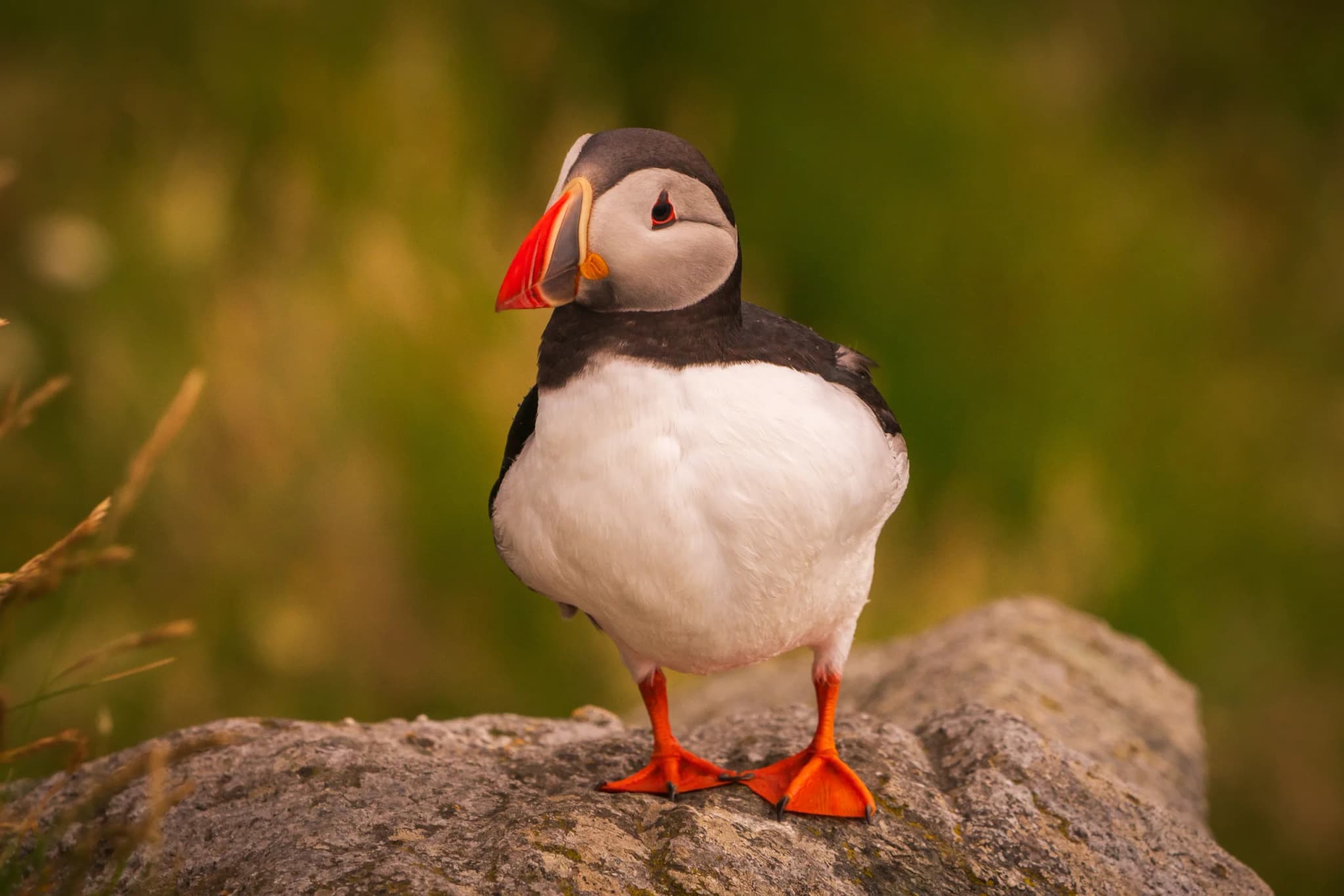
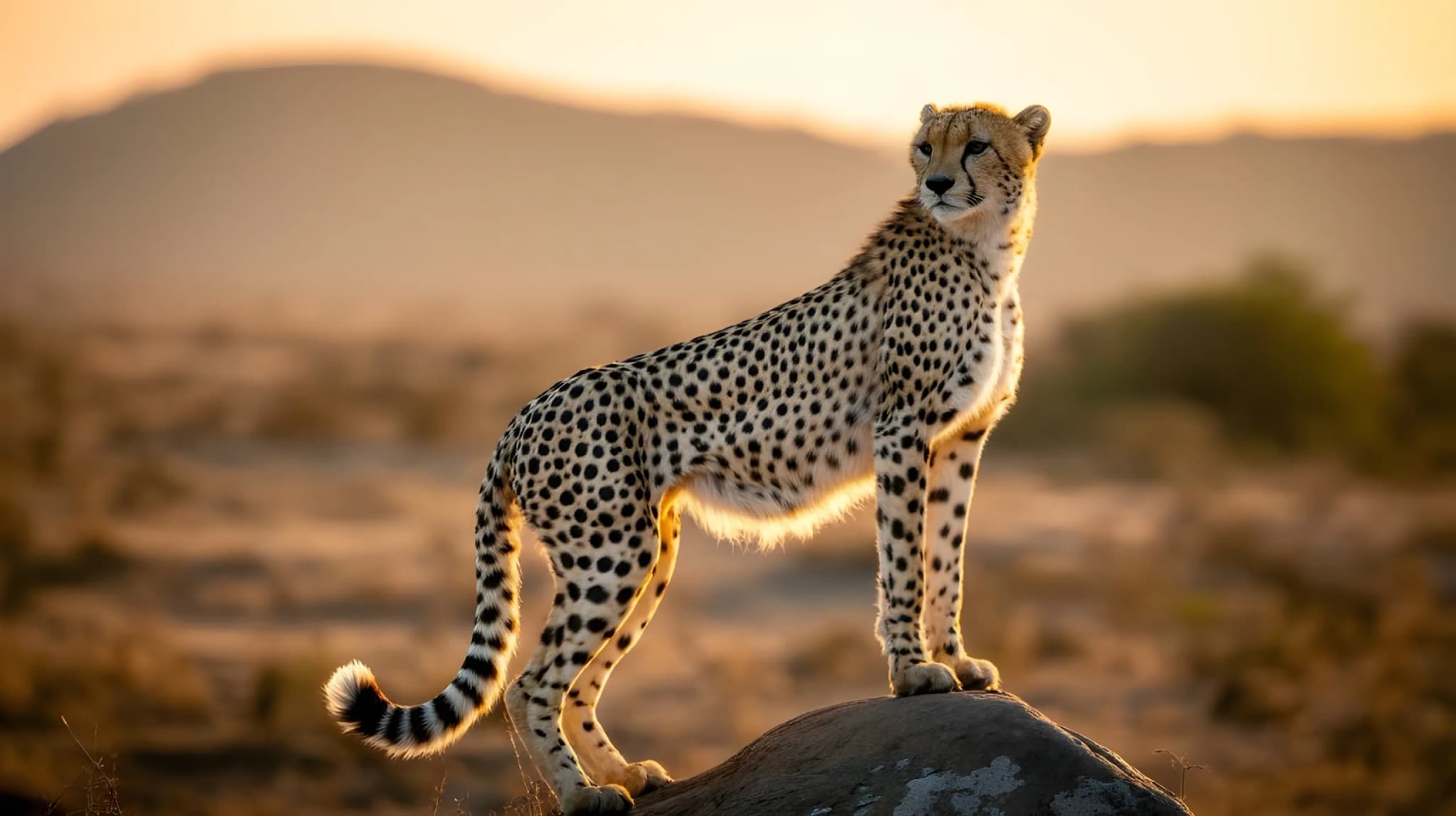
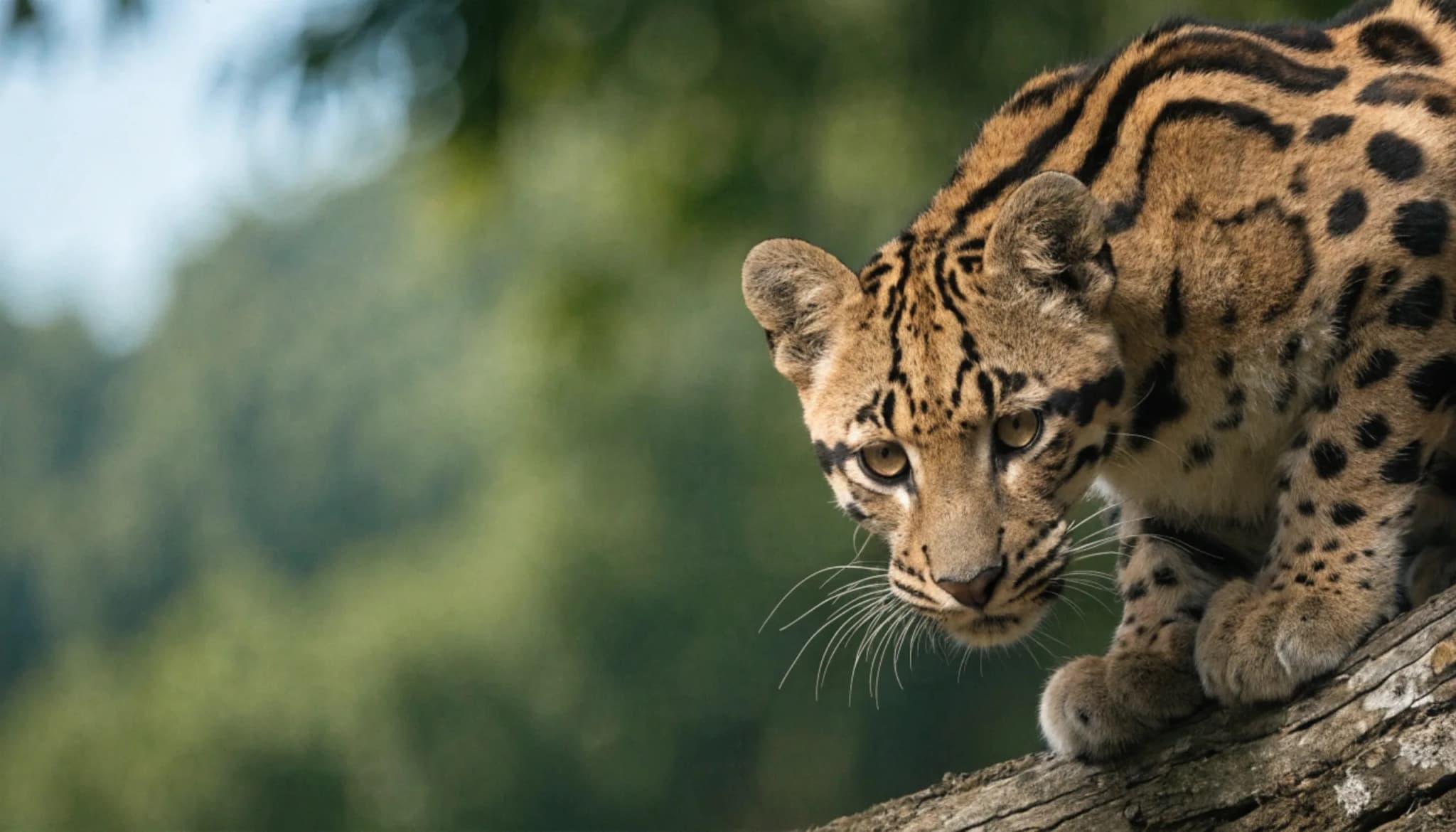
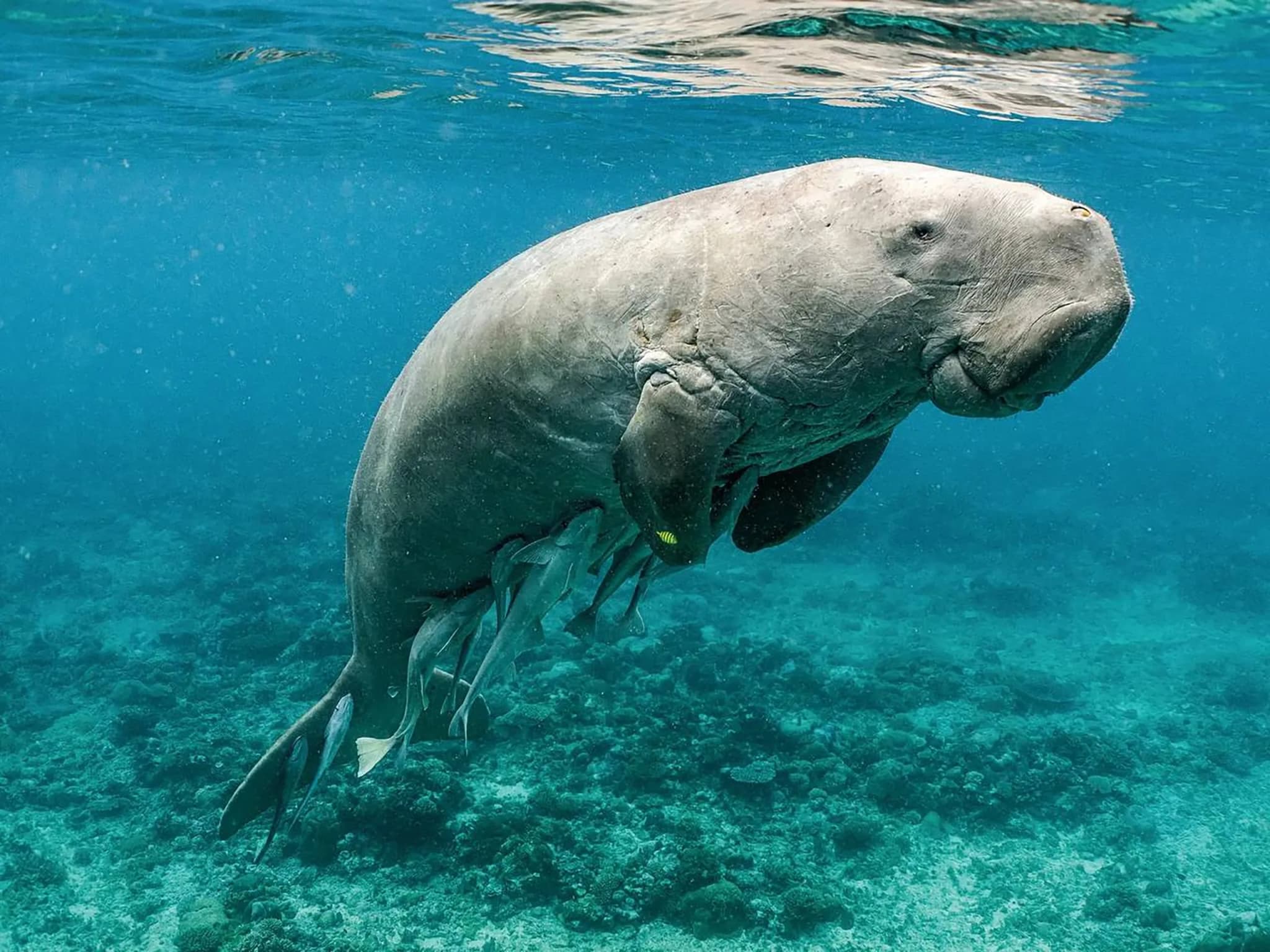
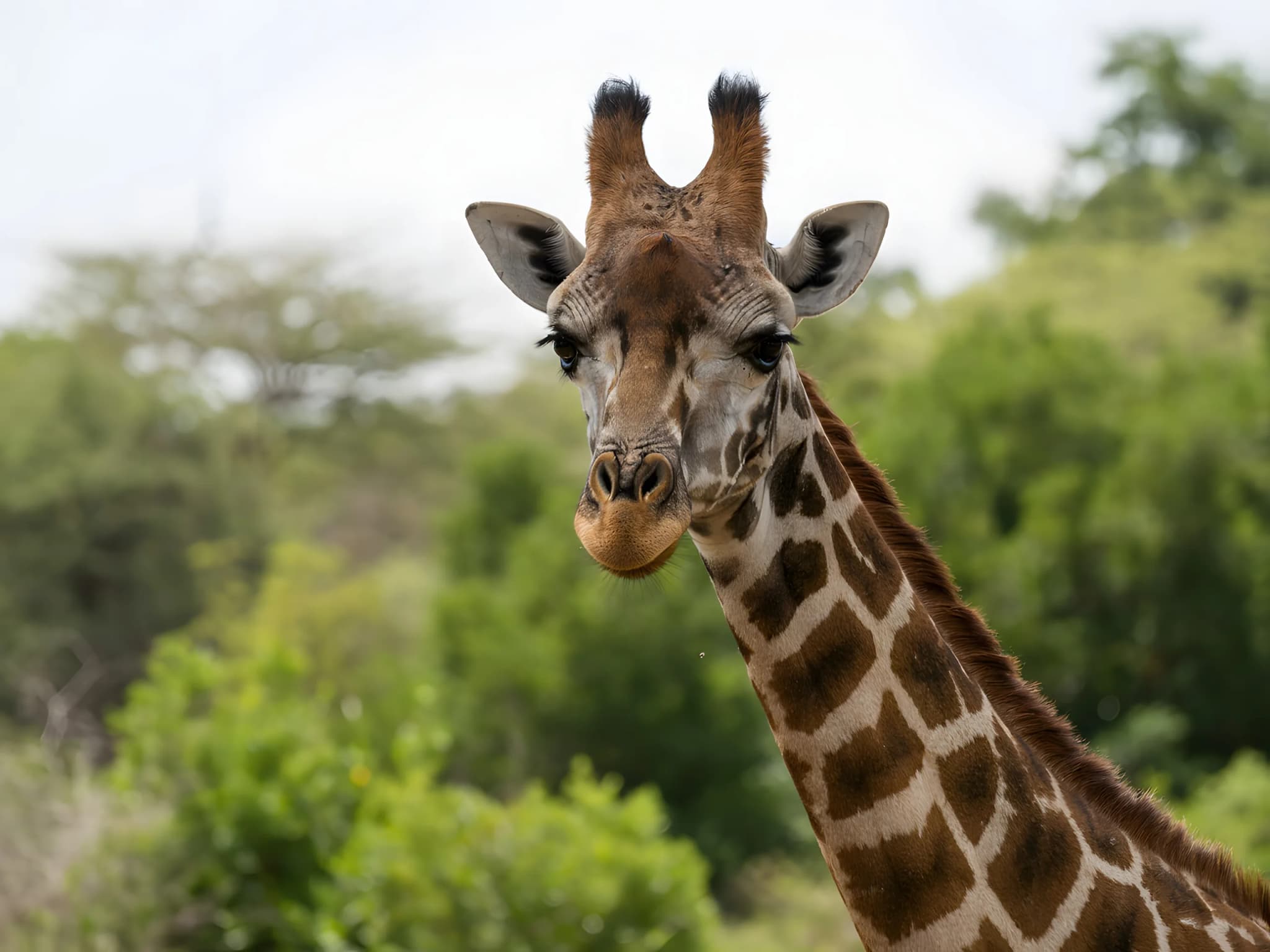
Many familiar animals sit in this category, and that surprises people who assume recognizable means safe. Public attention does not track extinction risk. It tracks charisma and exposure, which is why an animal can draw a million searches a month and a species with a few thousand individuals left can draw almost none.
What pushes a Vulnerable species into Endangered is usually not a new threat but the continuation of the existing one. Habitat that keeps being cleared at the same rate, hunting that stays legal or unenforced, a fishery that keeps using the same gear. The work on these pages is mostly about interrupting that continuity while it is still relatively inexpensive to do.
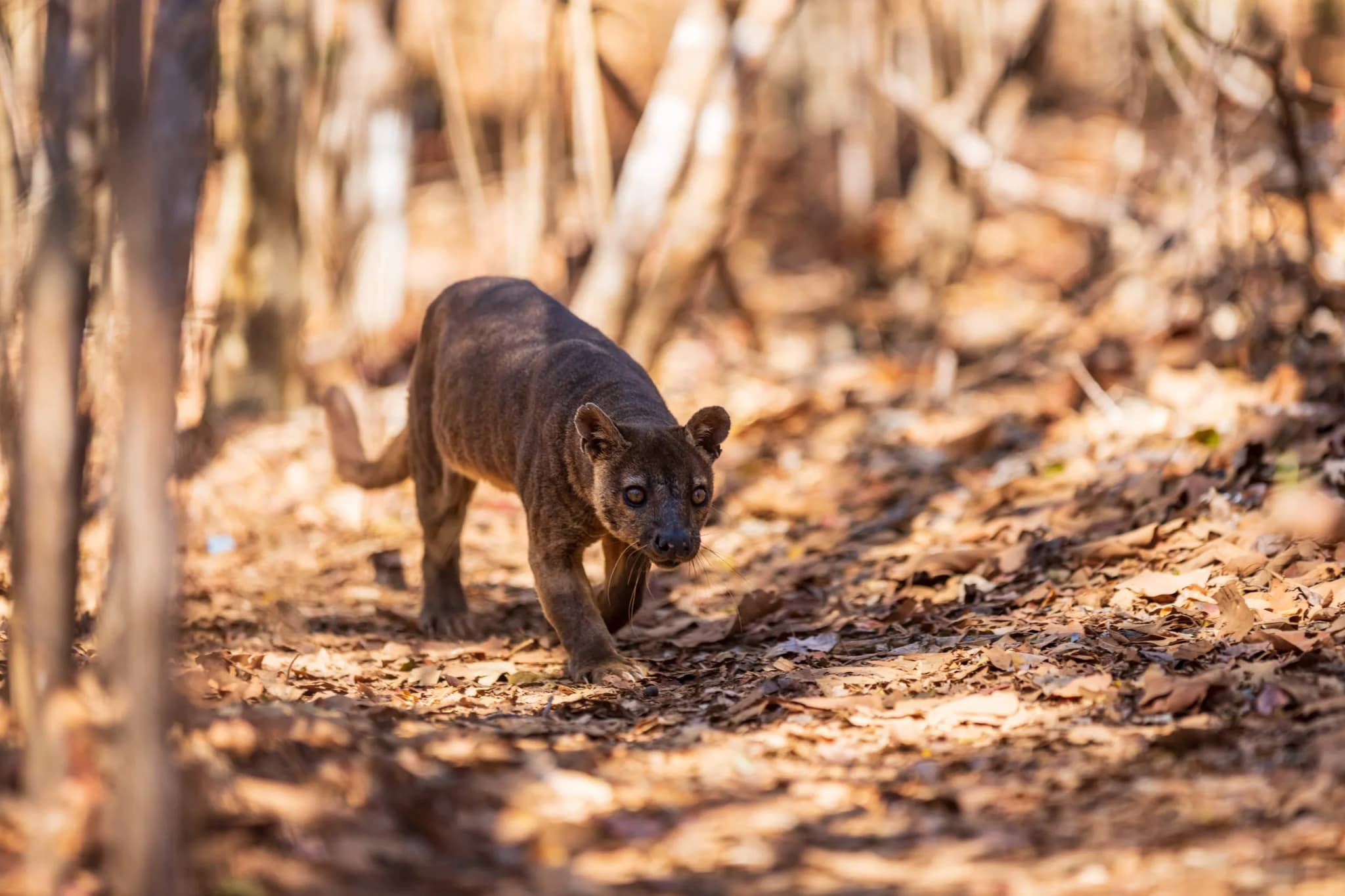
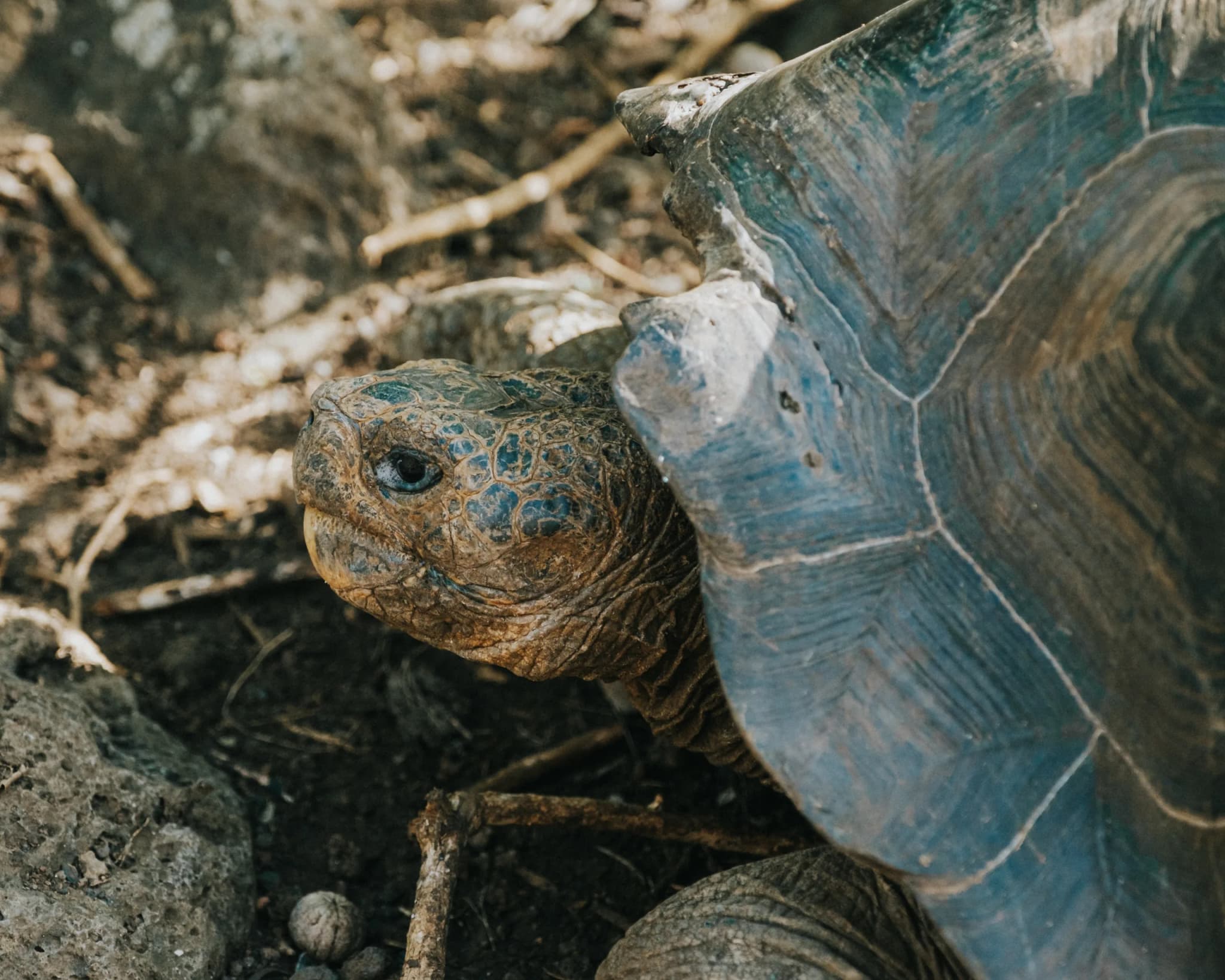
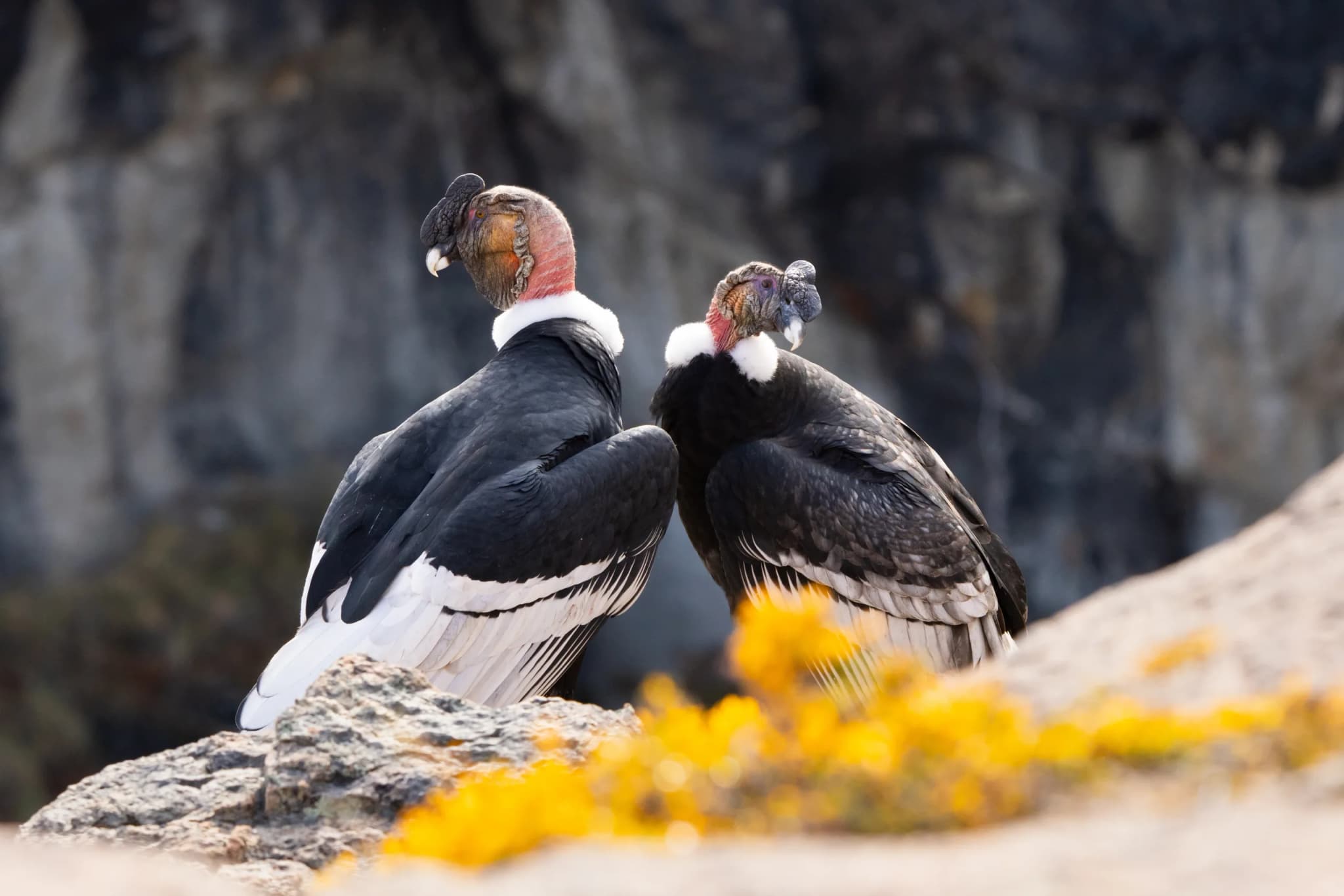
Discover vulnerable species around the world.
Vulnerable means a species faces a high risk of extinction in the wild. It is the first of three threatened categories. A species qualifies on a decline of at least 30% over ten years or three generations, or a population of fewer than 10,000 mature individuals.
Not in the strict sense. Vulnerable and Endangered are separate IUCN categories, with Endangered indicating a higher risk. Both fall under the umbrella term threatened, so a vulnerable animal is threatened with extinction but is not classed as endangered.
Because the Red List measures trajectory, not just headcount. A species can still number in the tens of thousands and be Vulnerable if it is declining fast enough, or if its range is shrinking. Being recognizable and being safe are unrelated.
Yes. A species moves to a lower category when assessment shows the decline has stopped and the population is stable or growing. Downlisting is deliberately conservative and usually follows decades of protection, because the IUCN wants evidence of recovery rather than a good year.