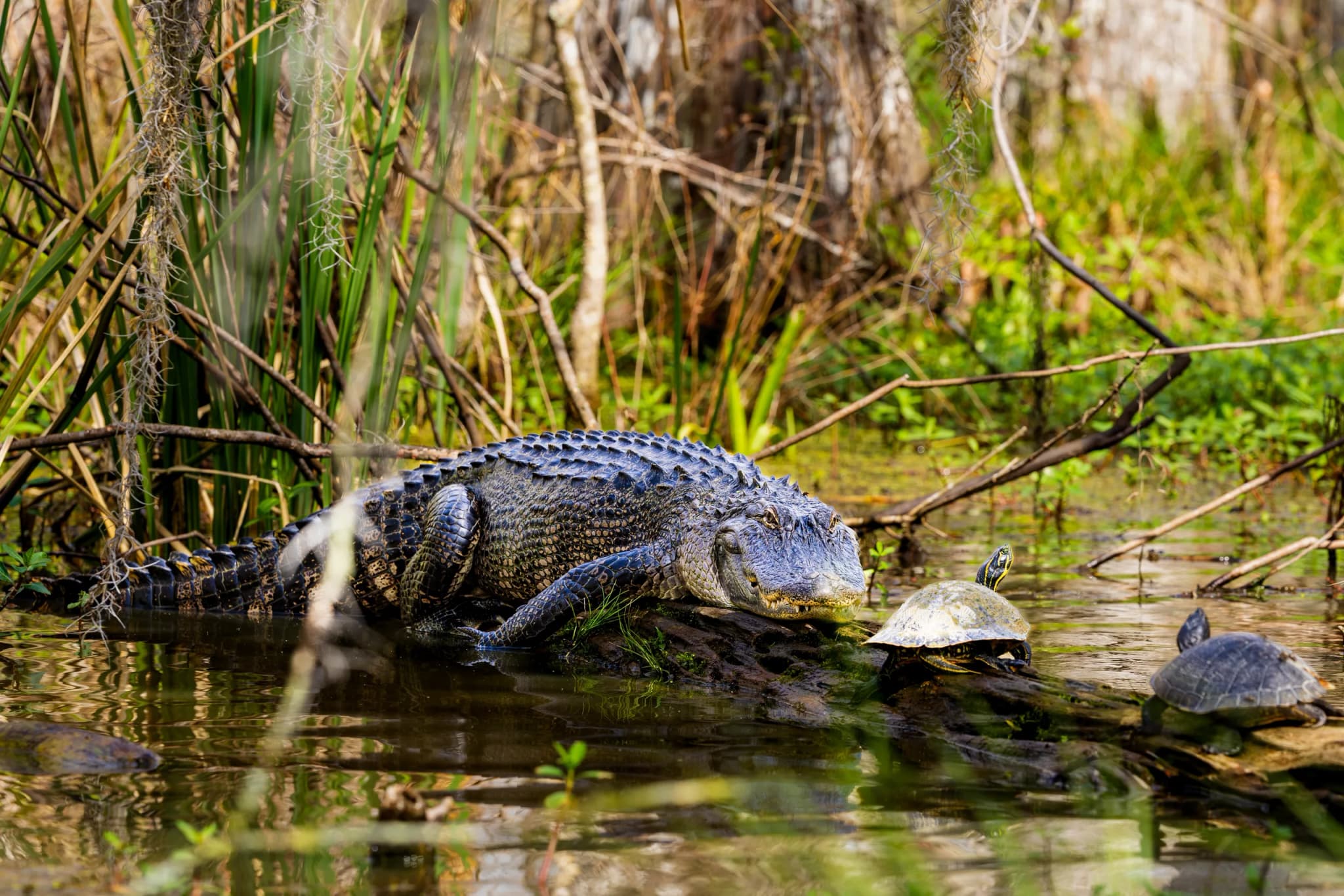
Assessed and found not currently at risk. It is the most misread label on the Red List.
Least Concern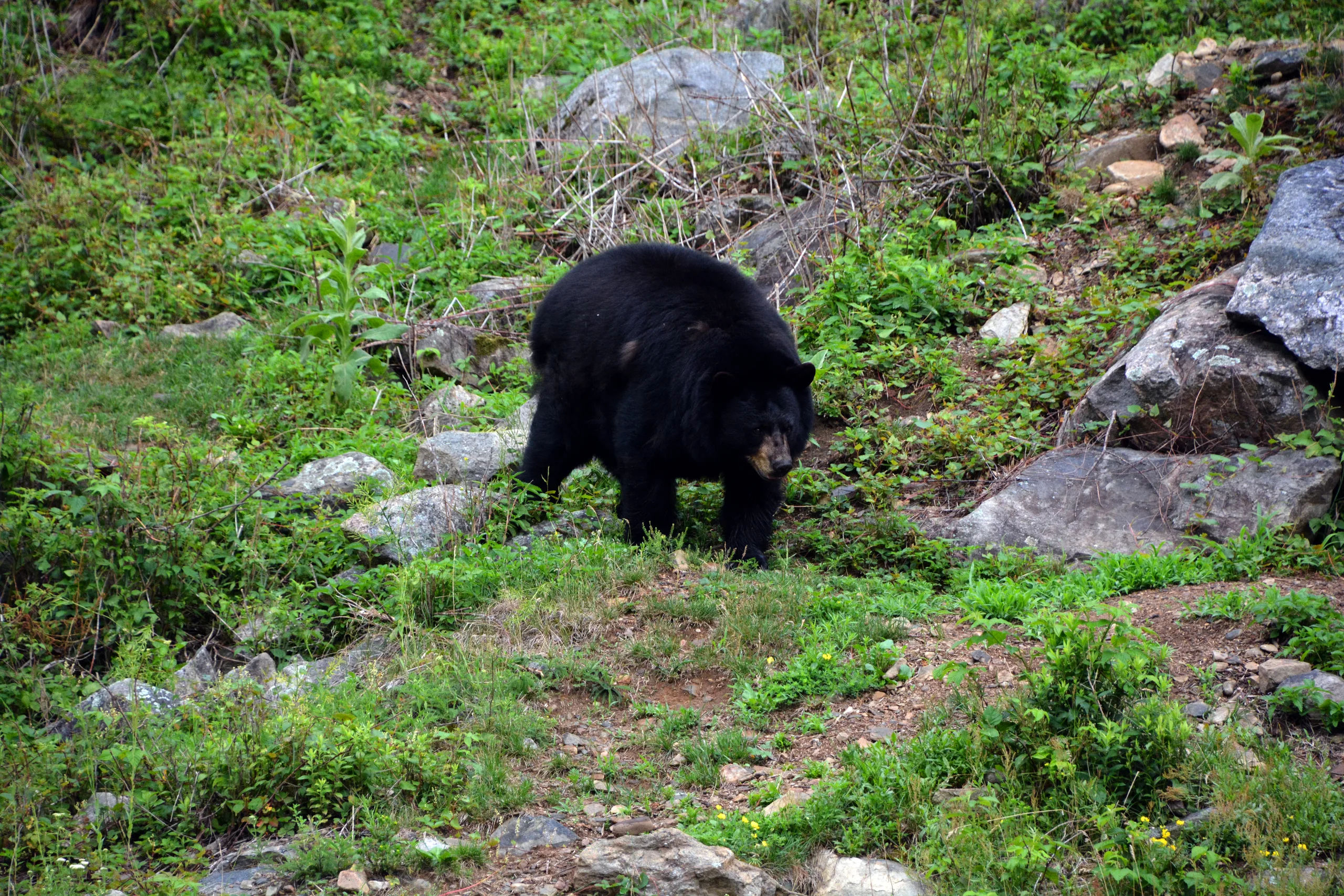 Least Concern
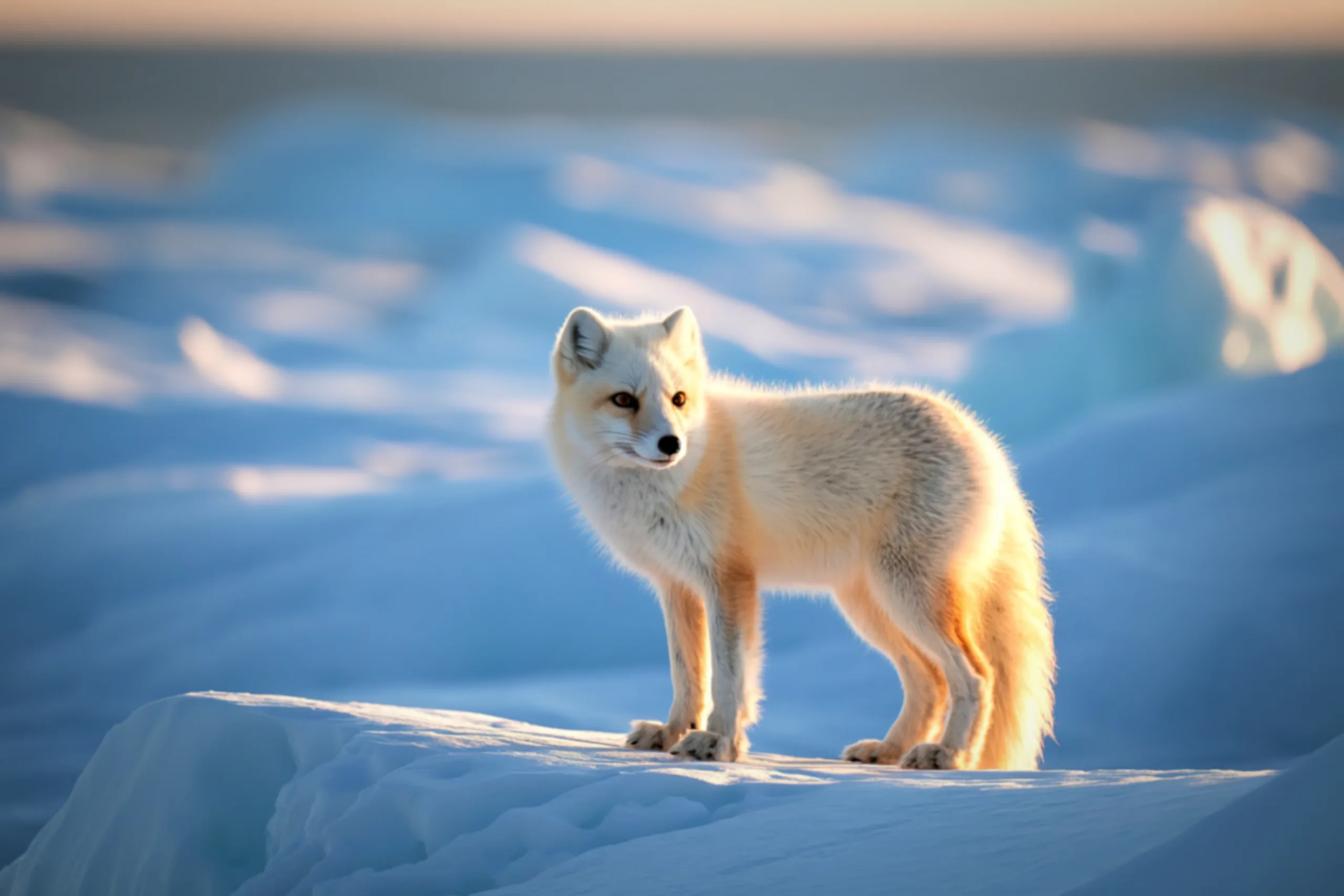 Least Concern
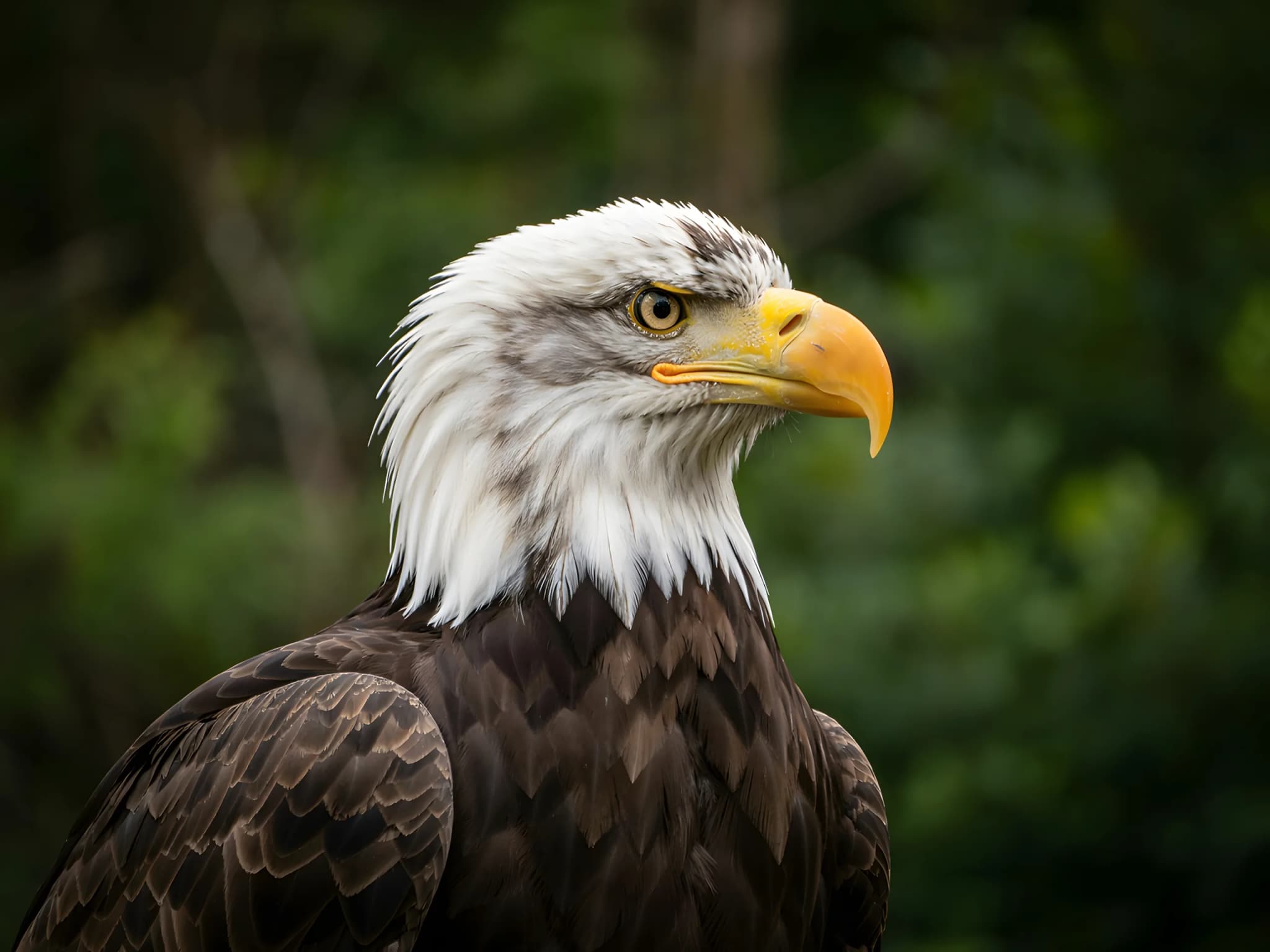 Least Concern
 Least Concern
 Least Concern
 Least Concern
 Least Concern
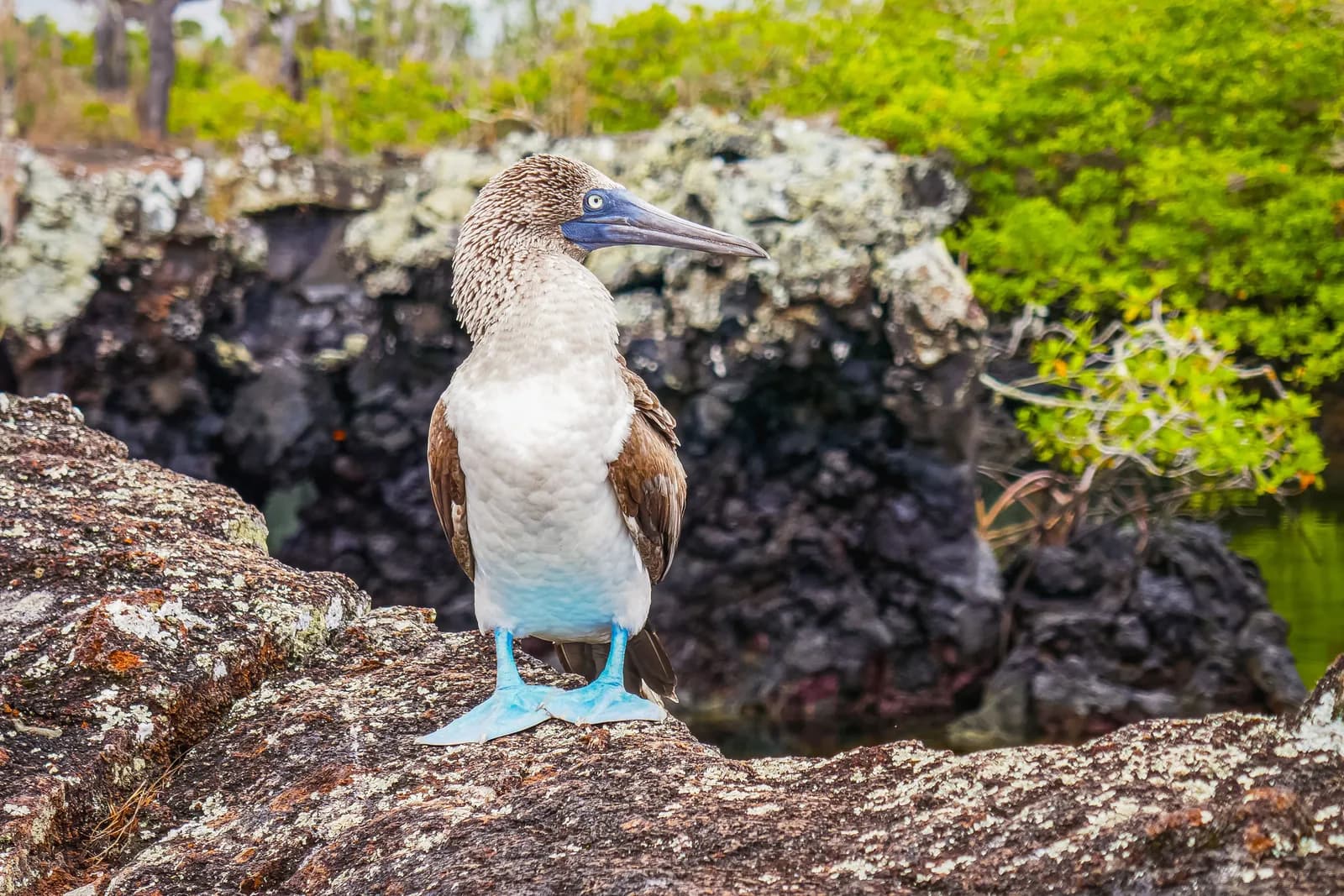
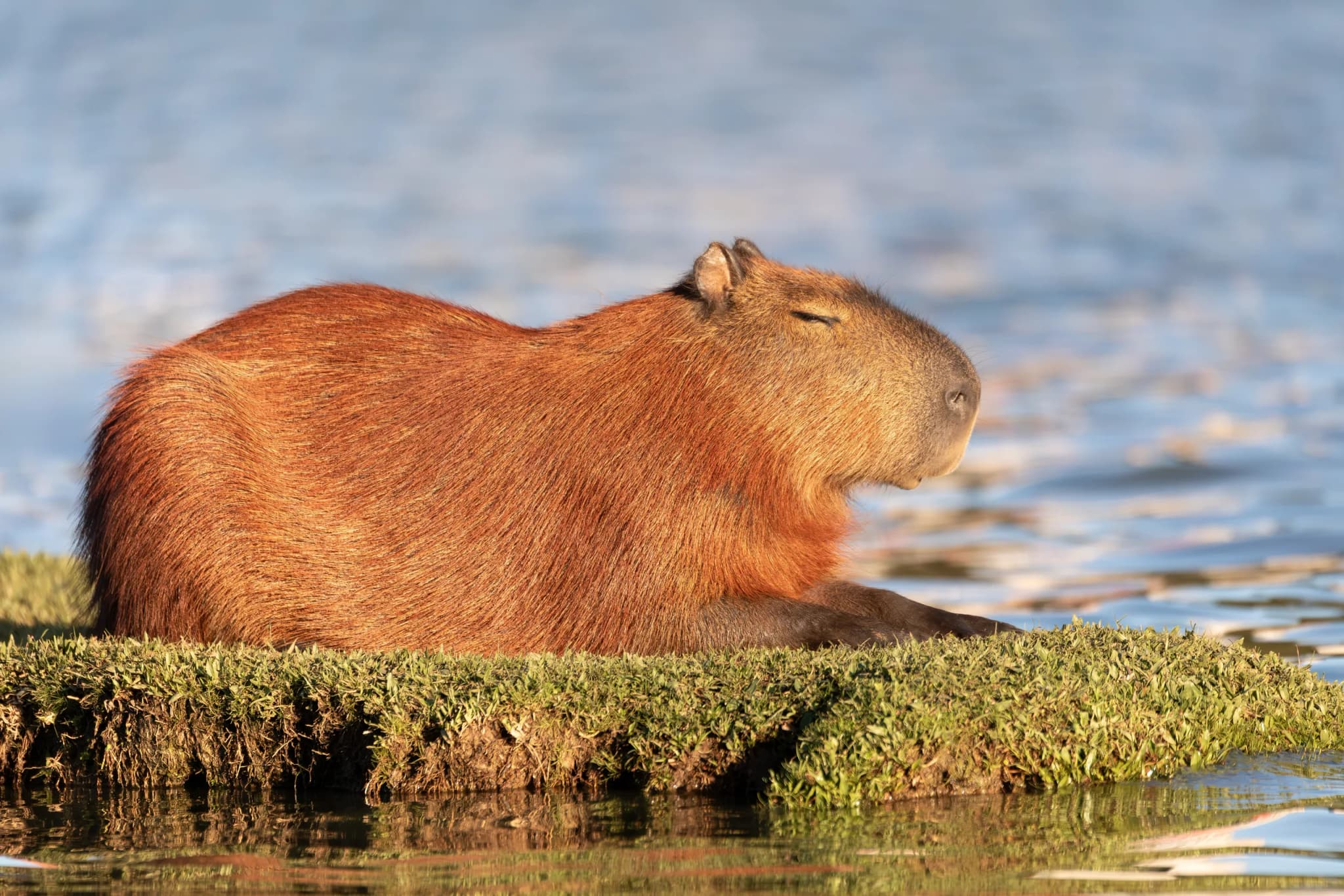
Least Concern is the IUCN Red List of Threatened Species category for species that have been evaluated and do not qualify as threatened or Near Threatened. It is a real finding rather than an absence of one: the species was assessed, and the assessment concluded it is widespread and abundant enough not to be at risk right now.
The important limitation is that the Red List assesses a species globally. A global listing of Least Concern can sit on top of a population that has disappeared from an entire country or region. An animal common across a continent and functionally gone from one end of its range is still Least Concern, because the global picture holds.
The other thing this category hides is direction. Least Concern says a species is not currently at risk. It does not say the population is stable, and a species can decline for years inside this category before crossing into Near Threatened. Assessments are also periodic rather than continuous, so a listing can be several years old.
None of that makes the category meaningless. Most species on Earth have never been assessed at all, so a Least Concern listing at least means somebody looked. It is the appropriate place for public attention to be lowest and for monitoring to continue anyway, because the species that end up in trouble almost all started here.
Discover least concern species around the world.
Least Concern is an IUCN Red List category for a species that has been assessed and does not qualify as threatened or Near Threatened. It means the species is currently widespread and abundant enough that extinction is not a near-term risk.
Not exactly. The Red List assesses species globally, so a Least Concern listing can conceal severe regional decline or local extinction. It also describes current risk rather than direction, so a species can be declining and still be listed as Least Concern.
Yes, and most endangered species were once listed here. A species crosses into Near Threatened and then the threatened categories as decline continues, which is why monitoring matters even for animals that appear common.
Because attention does not follow need. Familiar animals draw the searches, and the organizations protecting them often protect threatened species in the same habitat. Learning about a common animal is frequently the route to supporting work on a rarer one.
