What volunteer opportunities in Costa Rica actually cost
Osa Conservation charges $80 a day. Rescate Wildlife Rescue Center will not tell you its rate until you email and ask. Both run genuine volunteer opportunities in Costa Rica, a few hours apart, and that gap between them is the whole problem with planning this trip.
Most placements here are run by Costa Rican sanctuaries and field stations that take applications directly. Booking agencies sit on top of that, matching people to programs and adding a fee for the service. The work is the same either way; the price is not.
What volunteer opportunities in Costa Rica actually charge
The most useful thing to understand is that almost nobody publishes a number.
Osa Conservation is the exception and is worth using as a benchmark. Its field station on the Osa Peninsula charges international volunteers $80 per day for one to two weeks, dropping to $75 for three to five weeks, $65 for six to nine, and $60 beyond ten weeks. Costa Rican nationals pay less at every tier, starting at $75. The rate covers shared accommodation, three meals a day, wifi, and coffee. Volunteers work six days a week on sea turtle patrols, hatchling releases, native tree planting, and camera trap deployment.
A two-week placement there is therefore around $1,120, and you can work that out before you contact anyone.
Rescate Wildlife Rescue Center does not publish a rate. Its page says only that costs "vary depending on length of stay or time of year" and invites an enquiry. That is the more common approach, and it makes comparison shopping impossible without emailing four organizations and waiting.
Neither the Jaguar Rescue Center in Puerto Viejo nor Alturas Wildlife Sanctuary near Dominical publishes a fee either.
So of four established programs, one tells you what it costs. Treat a published rate as a mark in a program's favor rather than an ordinary courtesy.
The sanctuaries worth knowing

Rescate Wildlife Rescue Center, in La Garita, Alajuela, is the country's oldest wildlife rehabilitation center and the one most likely to suit someone who wants clinical work. Volunteers must be 18 or over, work five days a week for eight hours with two consecutive days off, and stay in a guest house with shared facilities and prepared meals. It runs a veterinary internship alongside general volunteering, and a fieldwork internship that follows animals through release. It works with jaguars, capybaras, and West Indian manatees among others.
Osa Conservation is field research rather than sanctuary care. The Osa Peninsula holds an unusual concentration of biodiversity for its size, and the work is night patrols, tree planting, and camera traps rather than animal handling.
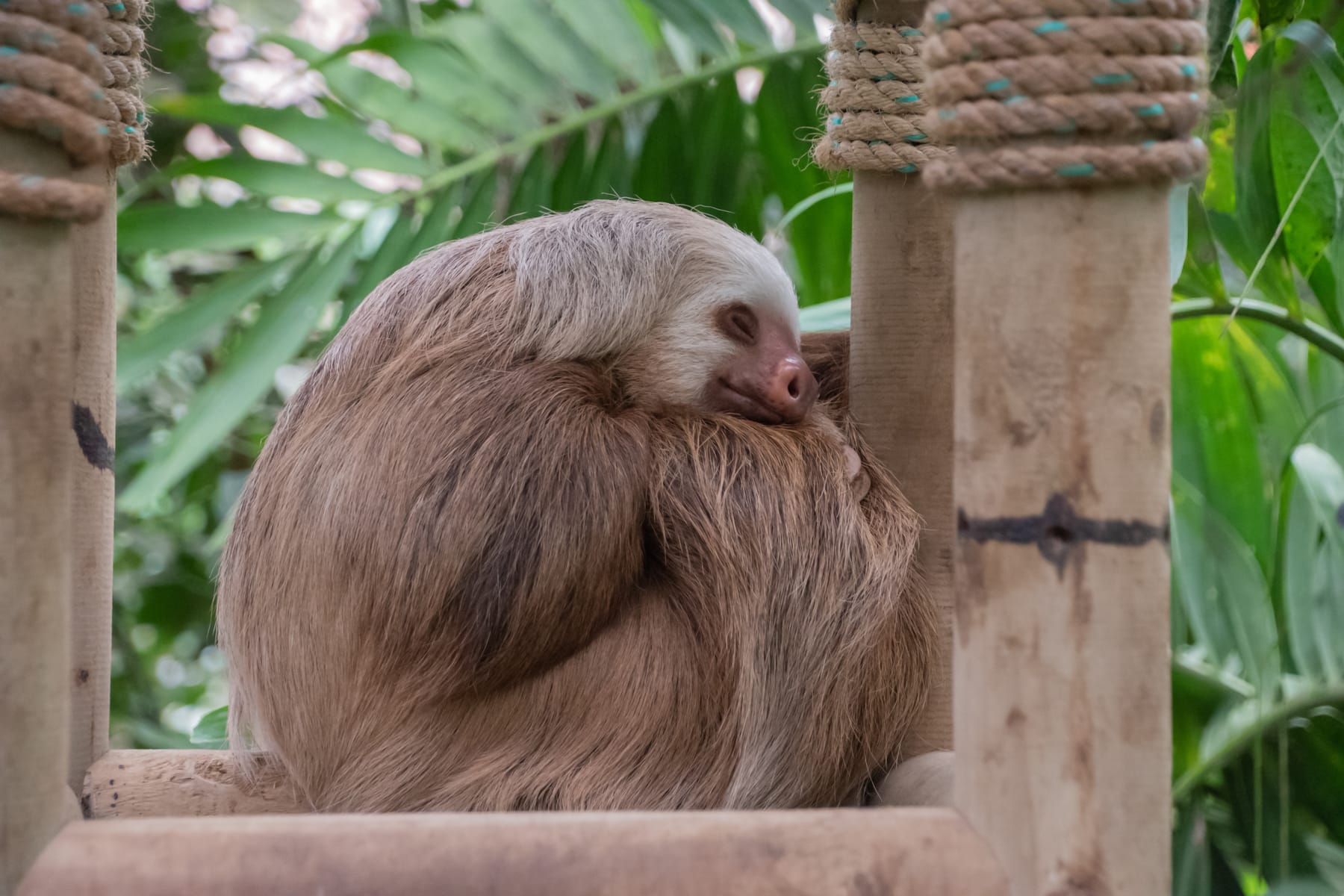
Jaguar Rescue Center near Puerto Viejo runs two-week and four-week minimum placements, a long-term option at its La Ceiba release site, nursery roles, and veterinary and hospital rehabilitation internships. Despite the name it takes in sloths, monkeys, and birds far more often than cats.
Alturas Wildlife Sanctuary near Dominical is hands-on husbandry: diet preparation, enrichment, observation, and wild food collection, with injured and orphaned primates, mammals, and birds. Volunteers must be 18 or over.
The one question that sorts the good from the bad

Ask whether you will touch the animals. The answer tells you almost everything.
Rescate is unusually direct about it. Its volunteer page states that there is no direct contact and, in plain terms, that "you will not be cuddling any animals." Veterinary interns get limited hands-on involvement for medical reasons. Fieldwork interns get none at all.
That is what a rehabilitation program committed to release looks like. An animal that becomes comfortable around people is harder to release and sometimes impossible, so a center whose goal is release restricts contact even though contact is the thing volunteers most want.
A program that advertises cuddling sloths or bottle-feeding monkeys as the attraction is describing a different business. Our guide to choosing an ethical elephant sanctuary covers the same test applied in Thailand, and the reasoning transfers without modification.
What your money is actually paying for
The fee is a genuine source of confusion, because it looks like paying to work.
At a rehabilitation center it covers your accommodation, your food, and the staff time spent supervising you. Untrained volunteers are a cost before they are a benefit, and a two-week volunteer usually consumes more supervision than they return in labor. The fee makes the arrangement neutral rather than extractive.
The version to avoid is the one where volunteer fees are the organization's primary income rather than a contribution to it. The signal is a program that takes anyone, requires no minimum stay, and markets the animal experience rather than the work.
Note also what fees exclude. Rescate lists flights, insurance, visas, medical care, and airport transfer as your responsibility, which is standard and worth budgeting for.
Agencies, and when one is worth paying
An agency is not a scam. It is a middleman, and middlemen are worth money when they remove real friction.
What you get is a single application instead of six, a placement matched to your dates, pre-departure support, an emergency contact, and in some cases insurance and airport transfers folded into one price. For a first solo trip, or for a nineteen-year-old whose parents want somebody accountable, that is worth paying for and nobody should feel foolish choosing it.
What you do not get is a different placement. The sanctuary is the same sanctuary, the work is the same work, and the staff supervising you are employed by the sanctuary rather than the agency.
So the question is not whether agencies are legitimate. It is whether the coordination is worth the difference to you, and you cannot answer that without knowing the direct price. Ask the sanctuary first, then decide.
Timing matters more than people expect
Costa Rica has a dry season roughly December to April and a green season from May to November, and the wildlife calendar does not run on the tourist one.
Sea turtle work is the clearest case. Green turtle nesting at Tortuguero peaks between July and October, so a turtle placement in February is a placement doing something else. Leatherbacks nest earlier, broadly February to July on the Caribbean side. If a program offers turtle patrols year-round without qualifying the months, that is worth asking about.
Rehabilitation centers are less seasonal, because injured animals arrive all year, though intake rises during the wettest months when storms bring down nests and branches.
Where the wild animals actually are
Volunteering and wildlife watching are different activities, and conflating them disappoints people.
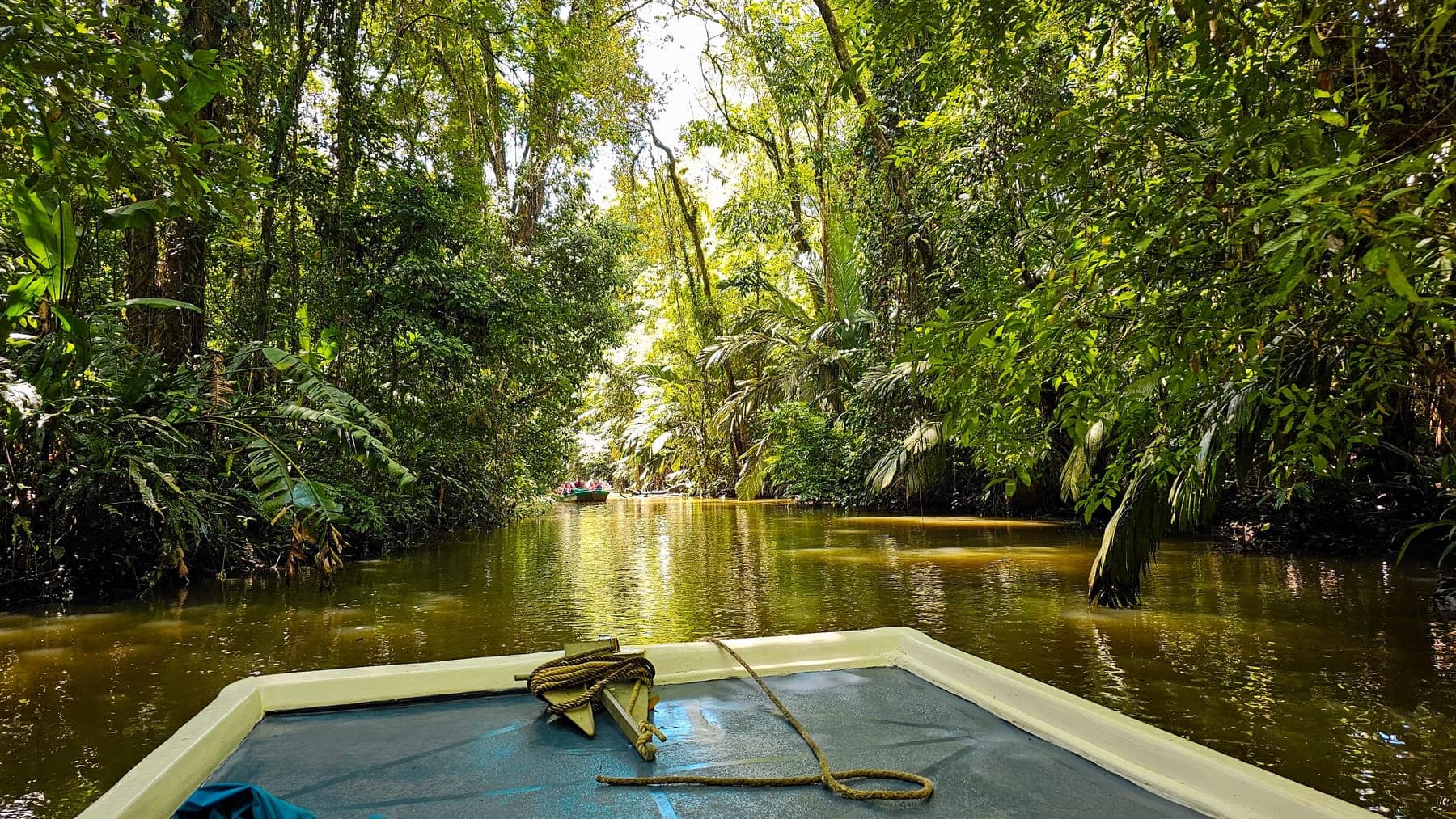
Tortuguero on the Caribbean coast holds the longest continuous sea turtle monitoring program on Earth, run from the John H. Phipps Biological Field Station, covering green, hawksbill, and leatherback turtles across 21 miles of beach. Our project page for the Tortuguero program covers the research itself.
Manuel Antonio and Tortuguero are also the two most reliable places in the country to see brown-throated sloths, which our guide to where to see sloths covers in detail.
Before you send the deposit
Four questions, in order of how much they reveal.
What is the total cost, and what does it exclude? If the answer takes three emails, that is information about the organization.
Do volunteers have physical contact with the animals, and why? A center that restricts contact and explains that releases fail otherwise is telling you its priorities.
What happens to the animals? Release, lifetime sanctuary care for animals that cannot be released, or display. All three can be legitimate. A program that will not say is not.
Am I booking direct or through an agency? Agencies are not fraudulent and they solve a real problem if you want someone else to handle logistics and support. But you should know which one you are paying, and what the difference buys.
The organizations here all take applications directly. Every one of them is easier to reach than the search results suggest.