The best places to see wildlife, by animal rather than by country
Most guides to the best places to see wildlife are organized by country, which is the wrong way round. Countries are large, animals are seasonal, and being in Kenya in the wrong month is not the same trip as being there in the right one.
Organize it by the animal instead, then by the season, then by whether the money you spend helps the thing you came to see.
The best places to see big cats and big herds: East and Southern Africa
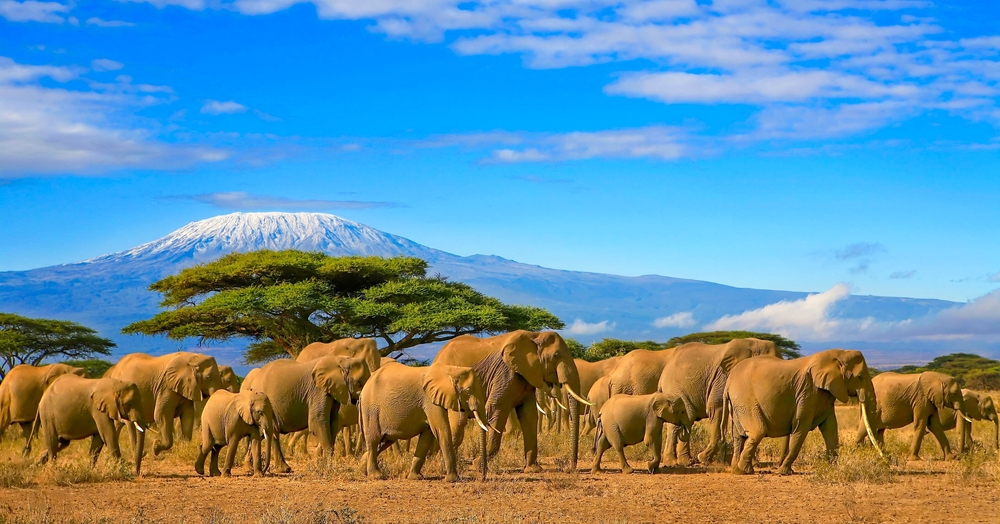
The Serengeti in Tanzania and the Maasai Mara in Kenya hold the largest land migration left on Earth, roughly 1.3 million wildebeest plus zebra and gazelle moving in an annual loop. The animals are there year-round; the river crossings people picture happen roughly July to October.
This is also the most reliable region for lions, leopards, and cheetahs, all three Vulnerable. Botswana's Okavango Delta and South Africa's Kruger are the other strong options, and Kruger is the easiest place in Africa to see white rhinoceros.
The prey is the reason the predators are there, and our guide to grassland animals covers how 14 species divide up the same grass. Animals in Africa covers the 20 species worth knowing beyond the ones on the safari brochure.
For black rhinoceros, which is Critically Endangered, Kenya's conservancies are the realistic choice, and Big Life Foundation works across that landscape.
For great apes: Rwanda, Uganda, Borneo, Sumatra
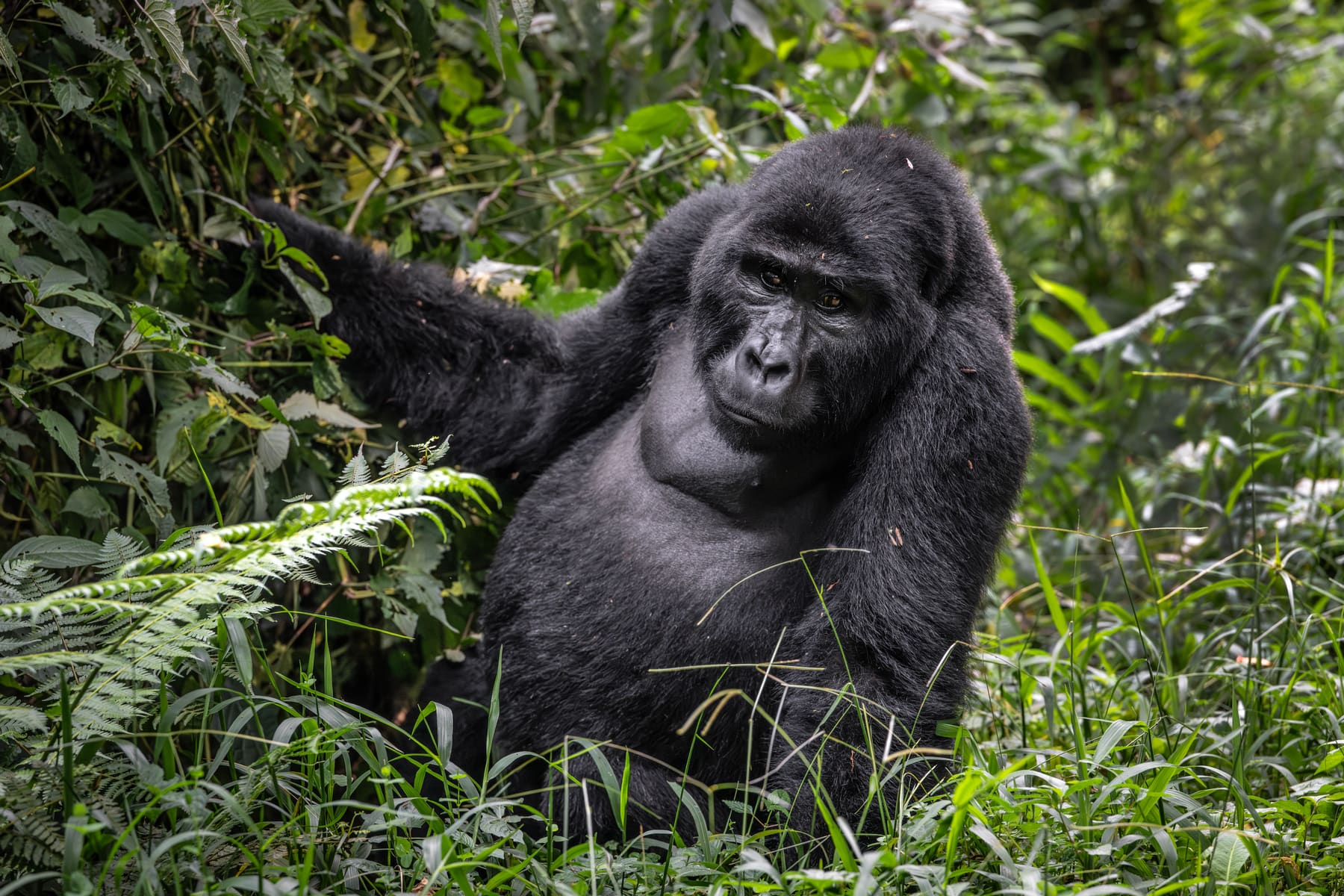
Mountain gorilla trekking in Rwanda's Volcanoes National Park or Uganda's Bwindi is expensive and strictly limited, and the price is the point: permits fund the protection that took this species from a few hundred animals to over 1,000, and a share reaches the communities on the park boundary. Dian Fossey Gorilla Fund has worked there since the 1960s.
Uganda's Kibale Forest is the best place for wild chimpanzees.
For orangutans, Borneo and Sumatra are the only options on Earth, and both species are Critically Endangered. Gunung Leuser in northern Sumatra is where wild Sumatran orangutans are most reliably seen.
Expect strict rules at all of these: distance limits, masks, and time caps. They exist because great apes catch our respiratory viruses, and they are not theatre.
For whales: several oceans, one calendar
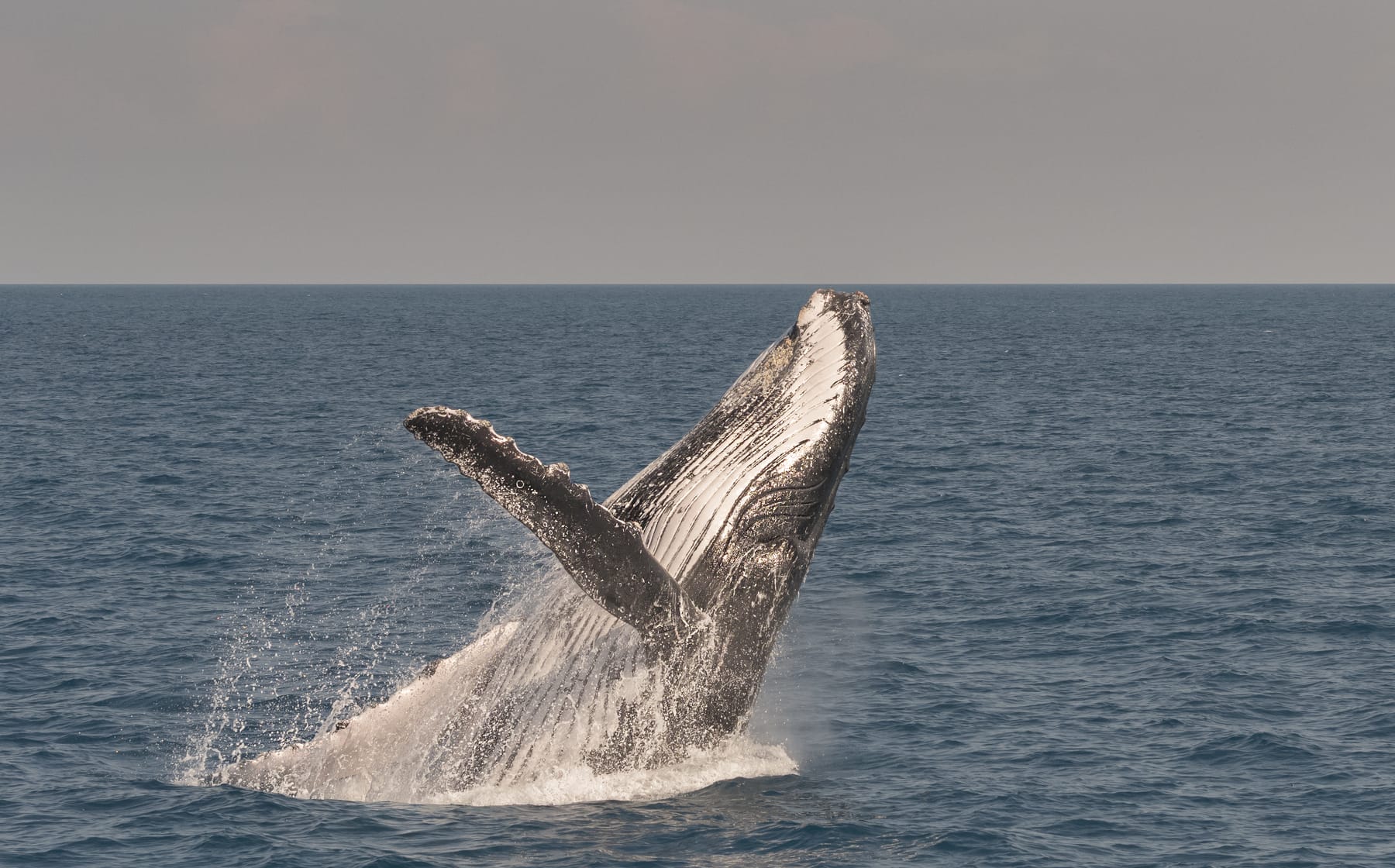
Whale watching is entirely about timing.
Humpback whales are the most reliably seen, because they breach and because their populations recovered. Hervey Bay in Queensland, Tonga, Iceland, Alaska, and Baja California all have strong seasons at different times of year.
Blue whales, which are Endangered, are most reliable off Sri Lanka and in the Gulf of California. Orcas are best in Norway during the herring run and around Vancouver Island.
Choose an operator that follows approach-distance rules. Boats that chase or crowd whales change feeding and nursing behavior, and the good operators are usually the ones contributing sightings data to research.
For sea turtles: nesting beaches, at night
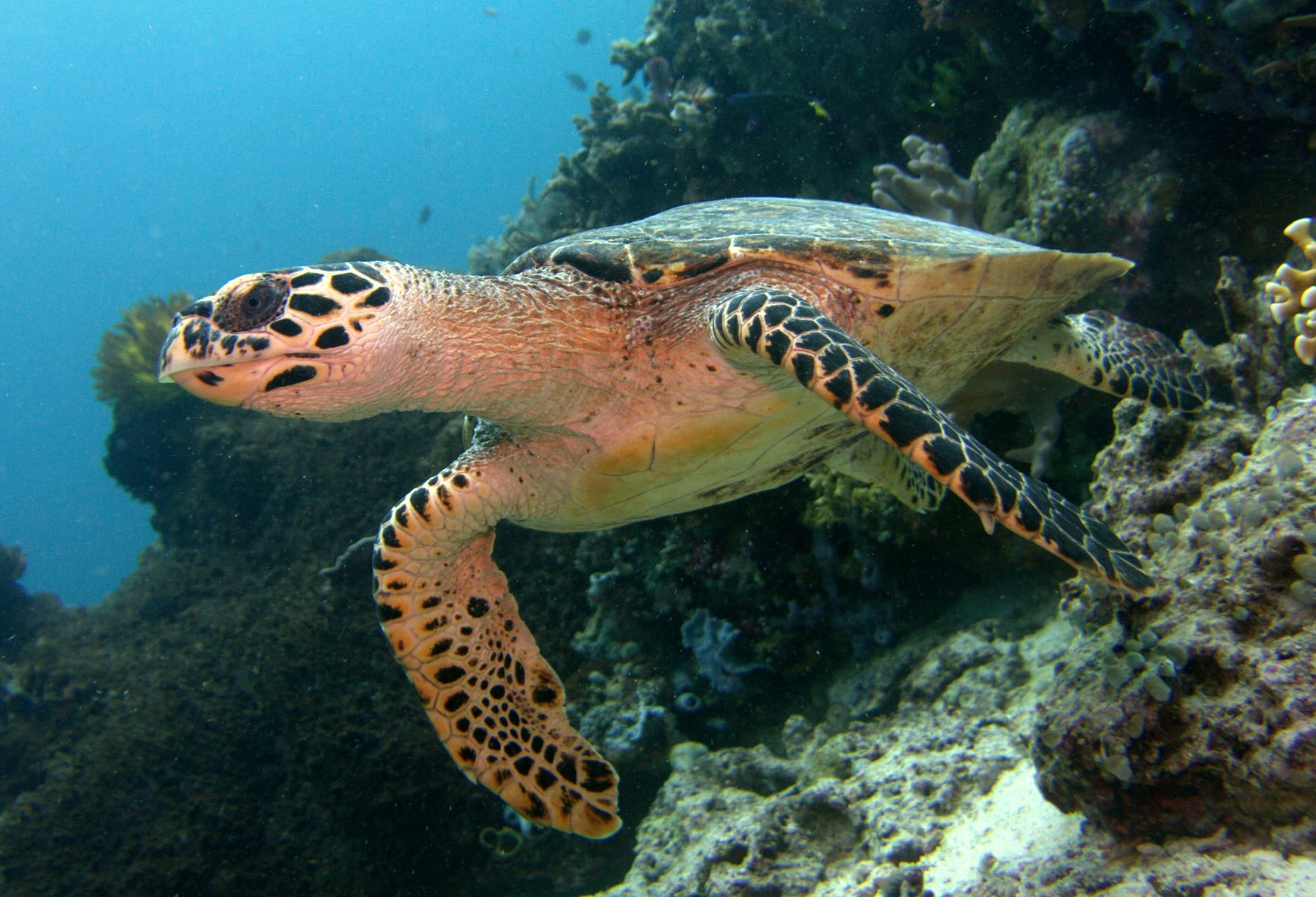
Sea turtles are predictable in a way most wildlife is not, because females must come ashore to nest.
Tortuguero in Costa Rica is the best-known site in the Americas, and the Tortuguero program runs the monitoring there. Green sea turtles moved from Endangered to Least Concern in 2025 on the back of exactly this kind of beach protection. SEE Turtles and Oceanic Society both run trips built around it.
Nesting happens at night, and red-filtered light is mandatory: white light disorients hatchlings, which navigate toward the brightest horizon.
For sloths and rainforest species: Costa Rica
Costa Rica is also the easiest place to go from watching wildlife to working with it, since most of its rescue centers take volunteers directly.
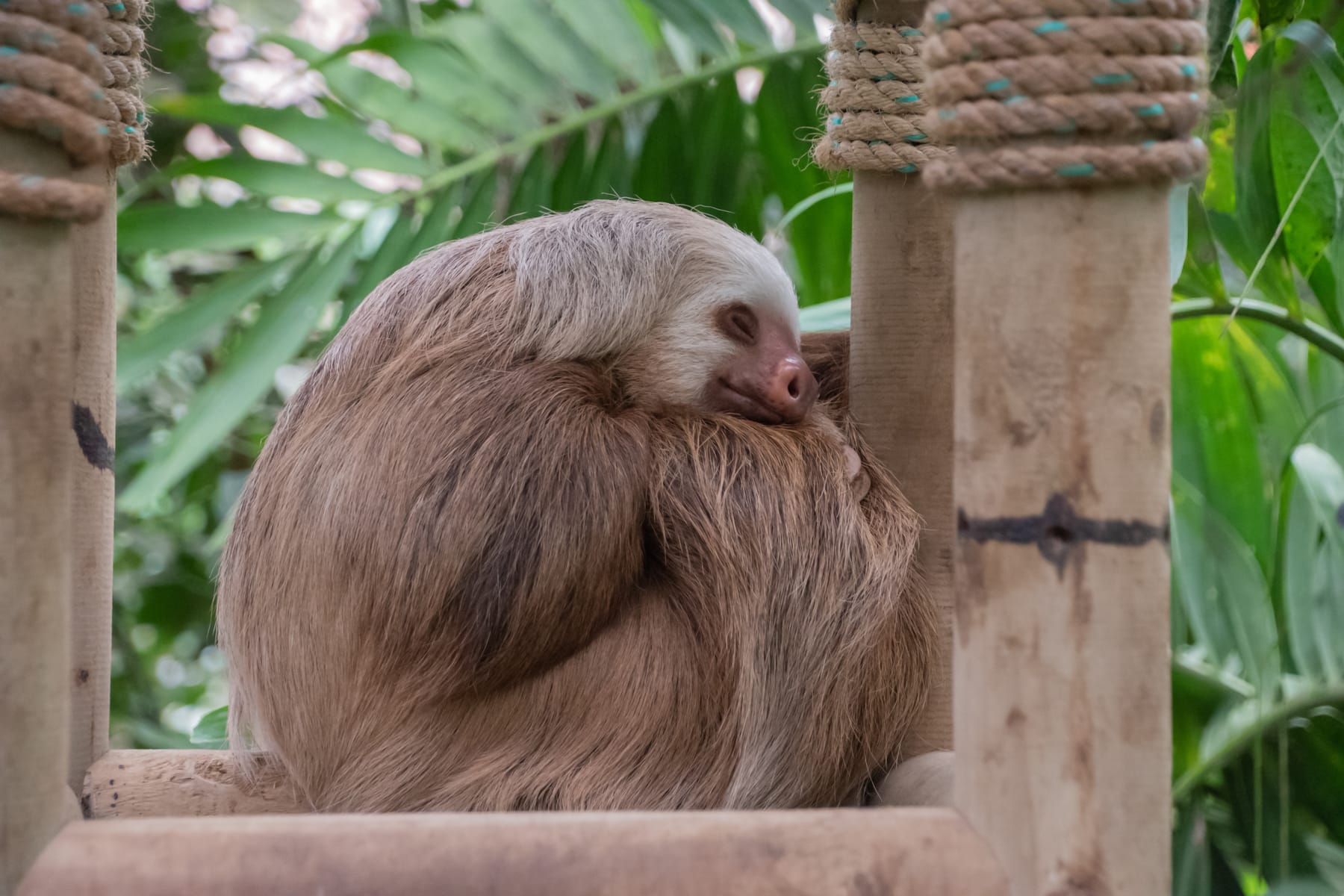
Costa Rica is the easiest rainforest wildlife destination on Earth, with an unusual density of protected area and the infrastructure to reach it. Manuel Antonio and Tortuguero are the reliable places for brown-throated sloths, and our guide to where to see sloths covers the specifics.
Take a guide. Sloths are extraordinarily difficult to spot without one, and the guides find in ten minutes what you would miss for three days. Our guide to rainforest animals covers the other 21 species sharing that canopy, including which of them you have a realistic chance of seeing.
For polar species: Svalbard, Churchill, Antarctica
Polar bears are most reliably seen at Churchill in Manitoba in October and November, when bears gather waiting for Hudson Bay to freeze, and in Svalbard by ship in summer. That gathering is itself a symptom, and our guide to Arctic animals covers what a shorter ice season does to the six species that depend on it. Types of bears covers the other seven, six of which are threatened.
Antarctica is a separate trip entirely, and worth stating plainly: there are no polar bears there. Emperor penguins require a specialist expedition to reach the colonies. What Antarctica does offer without one is enormous numbers of other penguins, seals, and whales in a landscape with no roads in it.
For big herds of a different kind: India and Sri Lanka
India is the only country on Earth where you can see wild tigers, Asian elephants, and Indian rhinoceros in the same trip, though not in the same park.
Ranthambore and Bandhavgarh are the reliable tiger parks, and the best months are the hot ones, March to June, because animals concentrate at shrinking water sources. Kaziranga in Assam holds roughly two thirds of the world's Indian rhinoceros. Sri Lanka's Yala has one of the highest leopard densities anywhere, and Minneriya gathers hundreds of Asian elephants around a reservoir in the dry season.
Tiger sightings are genuinely uncertain, and any operator promising one is telling you something about the operator rather than the park.
The best places to see wildlife closer to home
Long-haul travel is not the only option, and for a lot of people it is not an option at all.
Seals and sea lions are the easiest large wild mammals to see from land almost anywhere with a coast, and seal vs sea lion covers how to tell which one you are looking at.
Coastal Britain and Iceland hold enormous seabird colonies, including Atlantic puffins, which are Vulnerable and easier to see well than almost any other seabird. Yellowstone in the United States is the most accessible place on Earth to see wolves and American bison in one landscape. Spain's Sierra de Andujar is the only realistic place to see an Iberian lynx, which came back from under 100 animals.
The general rule for local wildlife watching is that patience substitutes for distance. A hide at dawn in a nearby reserve will show you more than a hurried week somewhere famous, and it costs nothing.
What to bring, and what to expect
Two practical points that change trips more than gear does.
Binoculars matter more than a camera. A modest pair turns a distant brown smudge into an animal with a face, and most people who come home disappointed were looking at wildlife too far away to resolve with the naked eye.
Wild animals are not on a schedule. Guaranteed sightings are a marketing claim and usually indicate that animals are baited, enclosed, or habituated. A guide saying "we might not find one" is being honest, and honesty correlates strongly with the venues worth funding.
The question that matters more than the destination
Wildlife tourism funds a large share of global conservation, and it also does harm, and which one you are doing depends almost entirely on the operator rather than the country.
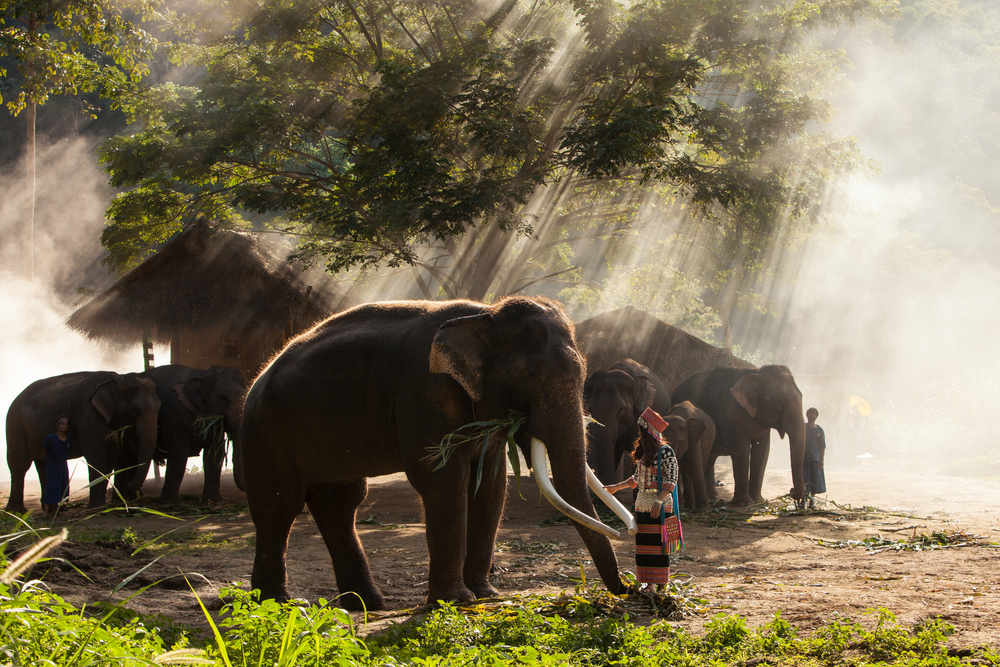
The short version: watch, do not touch. Any experience that guarantees close contact with a wild animal has arranged that contact, and arranging it means control established before you arrived. Our guides to ethical wildlife tourism and to choosing an ethical elephant sanctuary cover how to tell the difference, and the elephant case is the clearest illustration of how a venue can drop riding, adopt the word sanctuary, and change very little.
If you want to do more than watch, our guide to volunteer vacations for animal lovers covers placements where the work is real, and applies the same test: a program that puts you in contact with the animals is usually selling the contact.
Ask where the money goes. In the best cases a defined share reaches the community on the park boundary, which is what turns a forest from something to clear into something worth keeping. WWF, the IUCN Red List, and World Animal Protection are all useful for checking the status of the species before you book, and every organization named here has a page in our directory of projects.