Forest cleared
Logging and farmland strand troops in fragments too small to hold a population that can last.
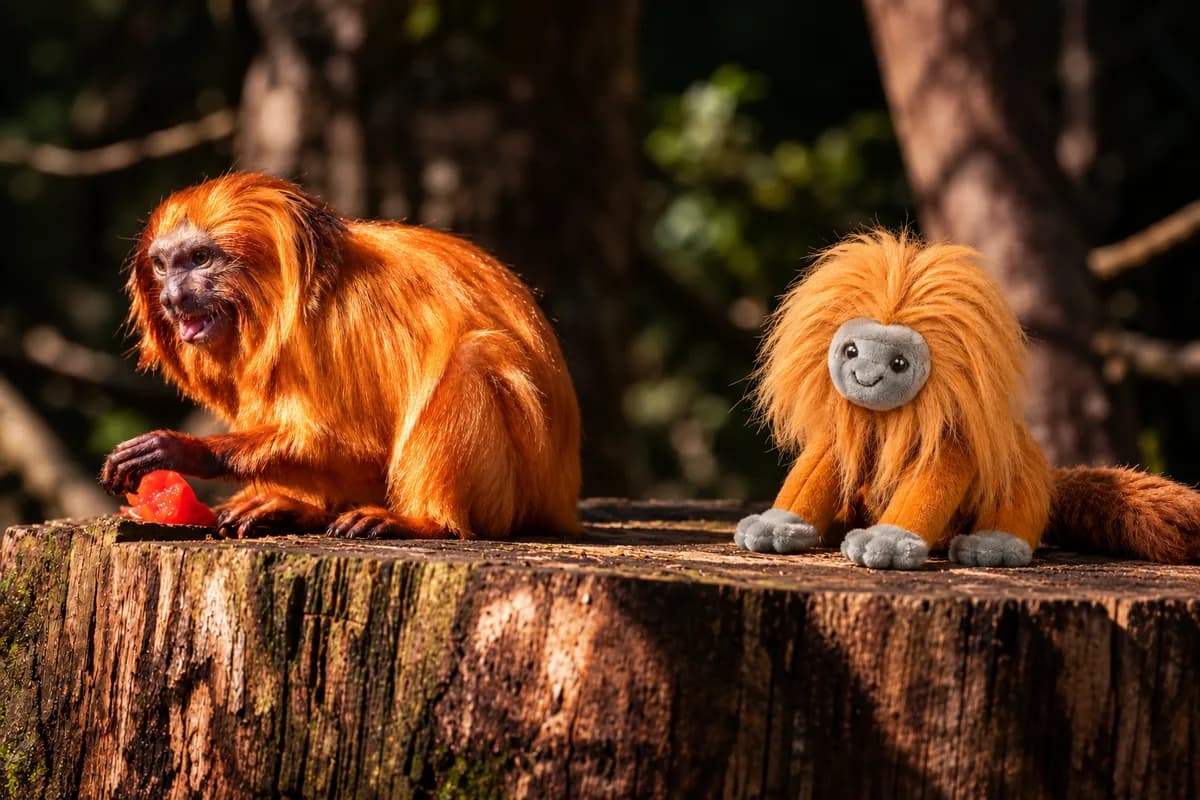
Your symbolic adoption supports the Wildlife Connect Monkey Fund, which provides funding to vetted organizations working to protect monkeys and their habitats.
Checkout opens soon.
| Item | $25 | $50 | $100 | $250 |
|---|---|---|---|---|
| Gold plated 2026 ornamentFree through December 20th, 2026 | Included | Included | Included | Included |
| Personalized adoption certificate | Included | Included | Included | Included |
| Collectible species cardFront and back | Included | Included | Included | Included |
| 8" plush | Not included | Included | Not included | Not included |
| 12" plush | Not included | Not included | Included | Included |
| Wildlife Connect tote | Not included | Not included | Not included | Included |
Monkeys are the animals most people meet first and understand least. Behind the troops still living in wild forest is work that rarely gets photographed: confiscations from the pet trade, infants raised for years before release is even a question, forest patrols, and corridors replanted between fragments that had been cut off from each other.
A symbolic adoption makes that work yours to be part of.
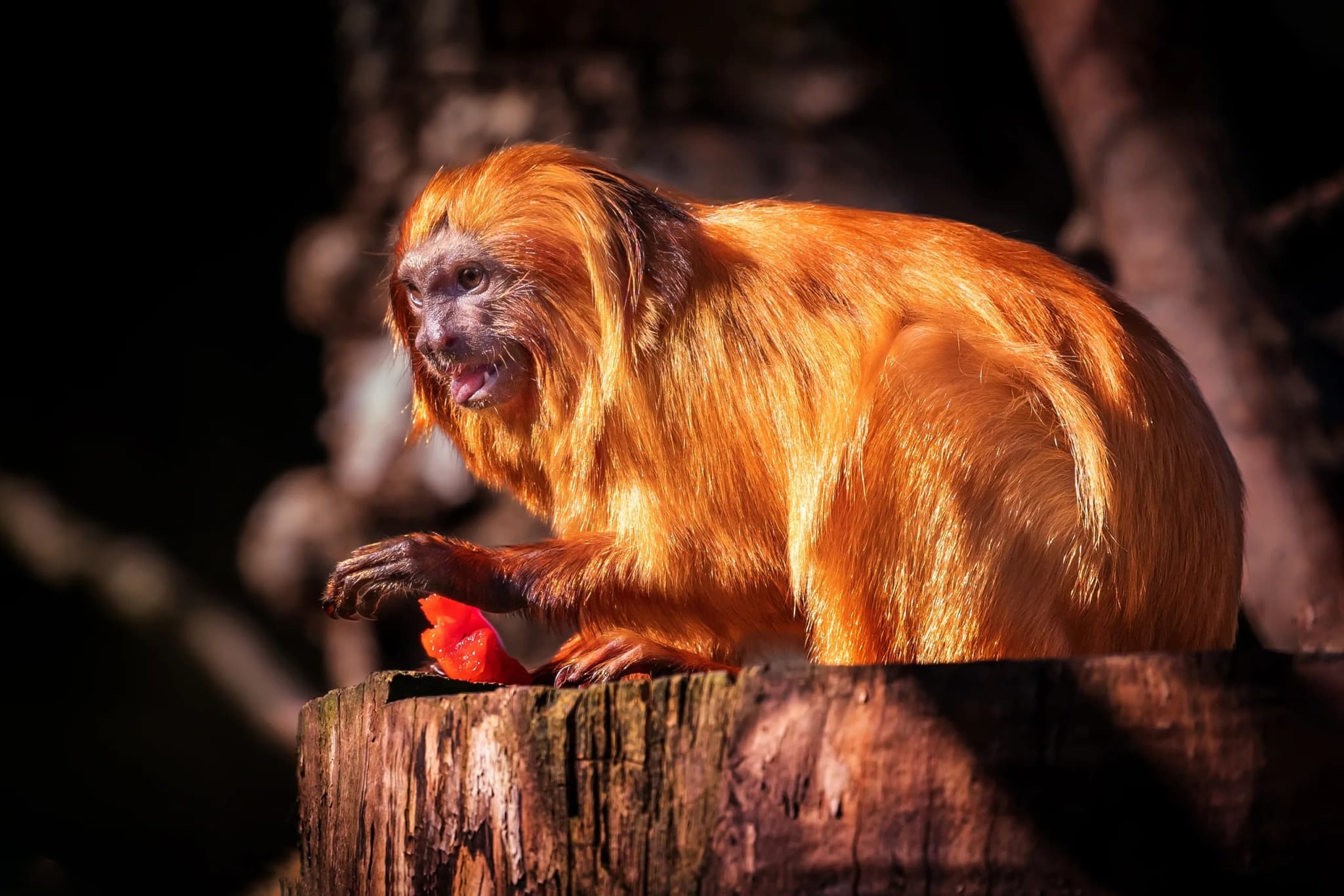
Your adoption helps support the organizations protecting monkeys and the forest they live in. Reintroduction has brought species back from the edge before, and the golden lion tamarin of Brazil survives today because of exactly this kind of long, patient work. Many others are still falling. Habitat loss and hunting are driving declines across most primate ranges, and small-range species are the most exposed.
And your adoption gives you something to keep.
You'll receive a personalized adoption certificate and a collectible, numbered species card that tells the story of the animal you're helping protect. At higher adoption levels, you'll also receive a monkey plush: a small, tangible reminder of something much bigger.
Because the best gifts don't disappear when they're opened. They spark curiosity. They start conversations. They remind us that a troop moving through the canopy in the Atlantic forest is part of our world, too. Its future is something all of us can help protect.
Adopt a monkey. Help protect its forest. Become part of its story.
Population trend: decreasing. Habitat loss and hunting are driving declines across most primate ranges, and species with small ranges are the most exposed.
Logging and farmland strand troops in fragments too small to hold a population that can last.
Infants are taken for sale, which usually means killing the mother first.
Commercial hunting reaches deep into forest along roads that were cut for timber.
A troop cut off in a fragment loses its genetic diversity long before it loses its last animal.
Funds from our monkey adoptions go to the Wildlife Connect Monkey Fund, which supports vetted wildlife sanctuaries and conservation organizations working to protect monkeys, their habitats, and the many species that live alongside them.
Learn about our impactWhere each one stands on the IUCN Red List.
Gorillas, chimpanzees, bonobos and orangutans are apes rather than monkeys, and the ring-tailed lemur is neither. They are not on this page, but they are here.