Best Zoos in America: 12 Leaders in Wildlife Conservation
In 1982 there were twenty-two California condors left alive on earth, and biologists made the hardest call in American conservation: catch every single one. It was bitterly opposed. Taking the last of a species out of the sky felt like admitting the sky had lost.
Today more than five hundred condors exist, and over half of them are flying again over California, Arizona, Utah and Baja. Every one descends from those twenty-two birds. They are here because two zoos spent four decades on a problem with no guaranteed ending.
That is the ceiling. The floor is a roadside lot with a tiger in a cage and a gift shop. Both are legal, both call themselves zoos, and the sign at the entrance will not tell you which one you are standing in.
These twelve are at the top end, chosen for what they fund, what they have brought back, and how the animals live while they do it.
The two things that separate a zoo from a cage
The first is accreditation. The Association of Zoos and Aquariums accredits roughly 240 institutions in the United States, inspecting each one every five years on welfare, veterinary care, staffing, safety and conservation spending. Some fail. The Department of Agriculture, by contrast, licenses thousands of animal exhibitors, a category broad enough to include both a world-class institution and a parking lot with a bear in it.
The second is whether the babies mean anything. Any zoo can breed animals, and cubs sell tickets. Species Survival Plans treat every gorilla or tamarin in the country as a single population and pair animals by what the genes need, not by which two happen to share a yard. A female may travel two thousand miles because she carries a bloodline nobody else has. It is work made of studbooks and spreadsheets, and it is the whole distance between keeping animals and keeping a species.
The 12 best zoos in America for wildlife conservation
Ranked on what they fund, what they have brought back from the edge, and how the animals live while they do it. Every one is AZA accredited, and every one runs field conservation beyond its own fence.
1. San Diego Zoo Wildlife Alliance, California
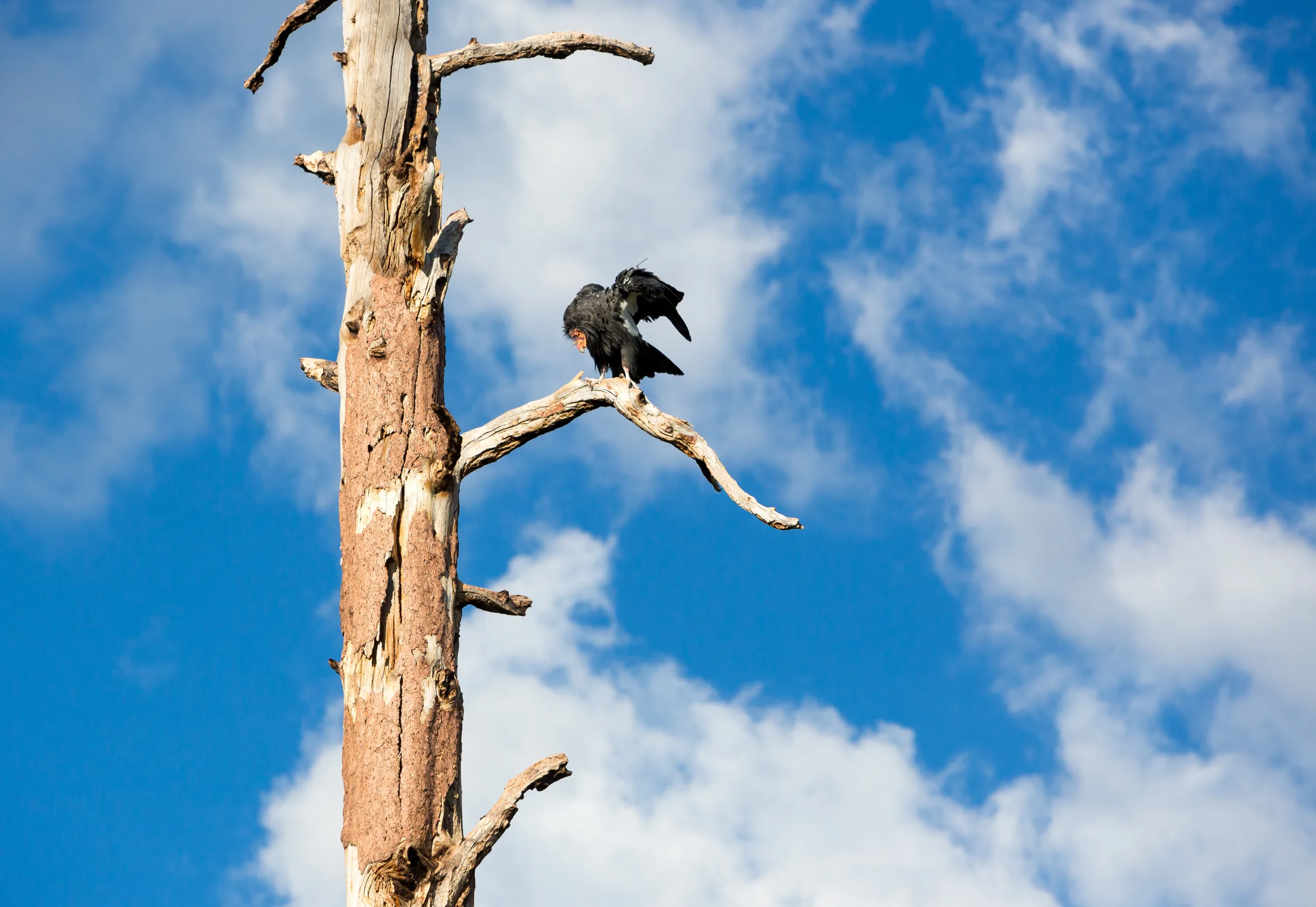
San Diego and Los Angeles were the two institutions that took the California condor in. Condors lay a single egg at a time and will not breed until they are six or seven years old, so the recovery ran at the pace of a slow bird, decade after decade, with the whole species held in a handful of enclosures.
San Diego also keeps one of the largest frozen biobanks of its kind, holding cell lines from more than a thousand species. In 2020 that archive produced a cloned Przewalski's horse from cells frozen in 1980, putting genetic diversity back into a population that had lost it before most of us were born.
2. Smithsonian's National Zoo, Washington DC
Entry to the National Zoo is free, which is rare enough. The serious work happens seventy miles away at the Conservation Biology Institute in Front Royal, Virginia, behind gates the public never passes.
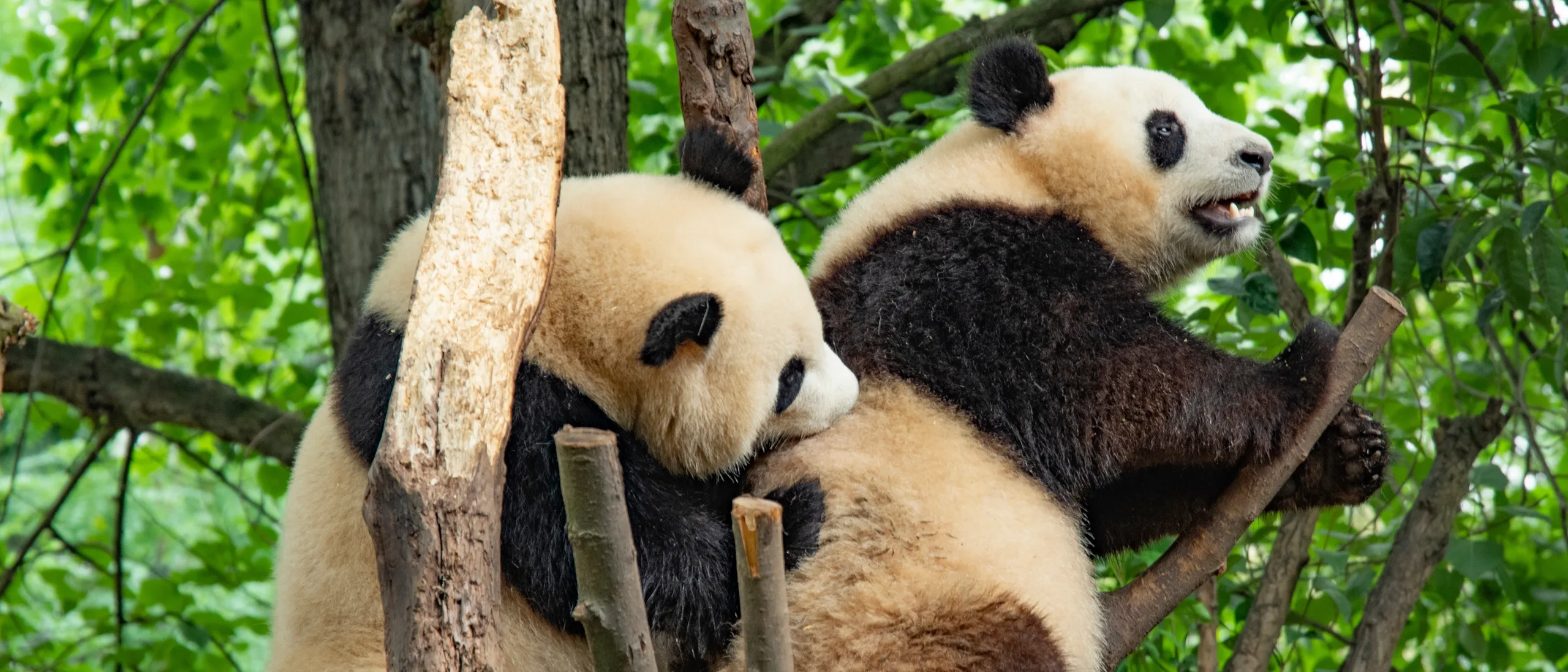
The black-footed ferret was declared extinct, rediscovered in Wyoming in 1981, and rebuilt from seven founding animals partly there. Thousands have since gone back out across the American West. The giant panda program is the one everybody knows, and the part worth knowing is that its reproductive research went to Chinese breeding centres, which is how a species climbs from Endangered to Vulnerable.
3. Bronx Zoo and the Wildlife Conservation Society, New York
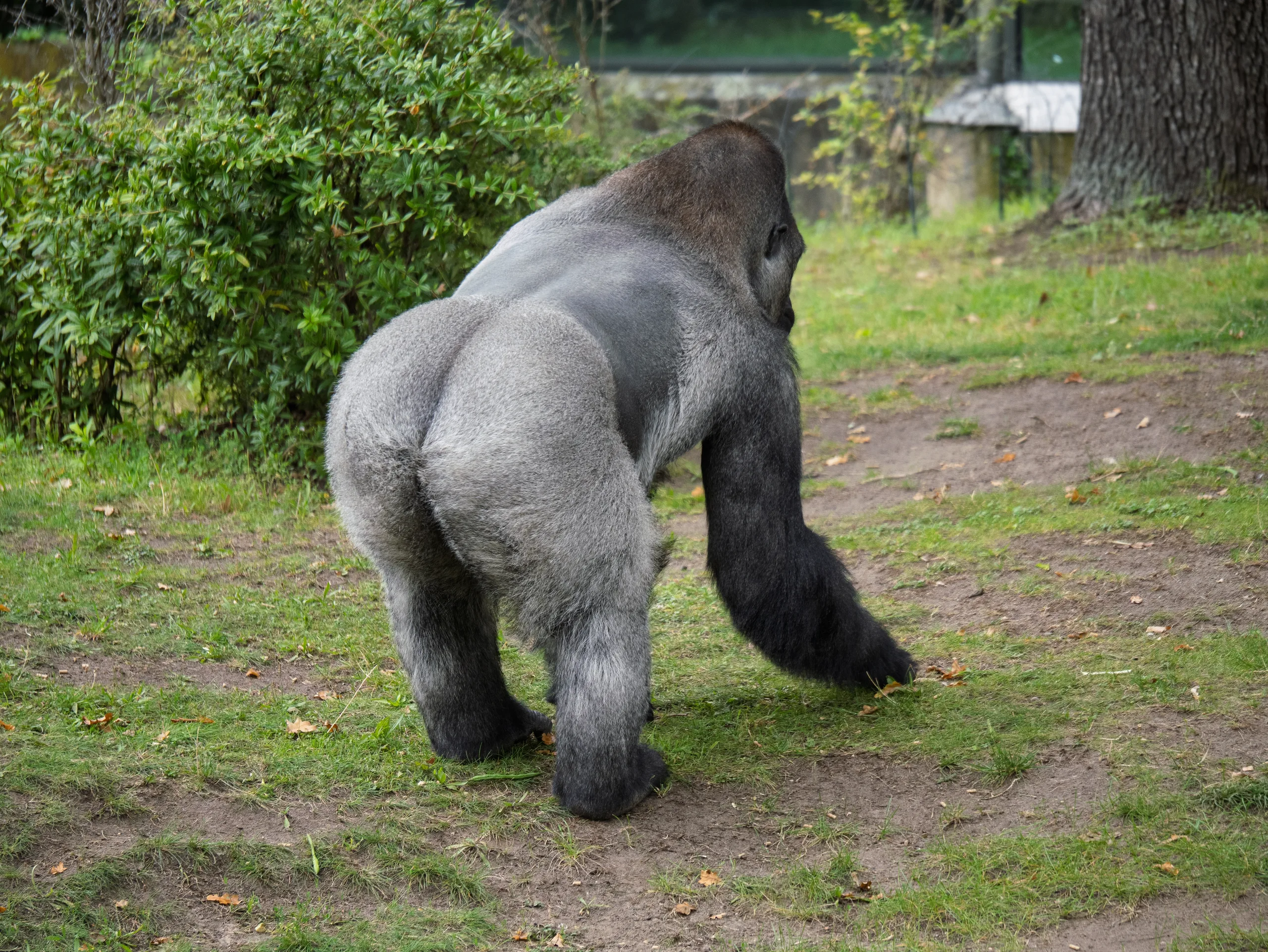
Most zoos give money to conservation. The Wildlife Conservation Society employs the field scientists directly and manages protected areas in nearly sixty countries, including work with western lowland gorillas across the Congo Basin. The Bronx Zoo is the public face of a field organization, not a zoo with a grants budget.
It has been doing this longer than almost anyone. In 1907 it put fifteen American bison on a train to Oklahoma to restock a species that had fallen from tens of millions to a few hundred animals.
4. Cincinnati Zoo and Botanical Garden, Ohio
The last passenger pigeon died at Cincinnati in 1914, and the memorial still stands on the grounds. The zoo has spent the century since on the other side of that ledger.
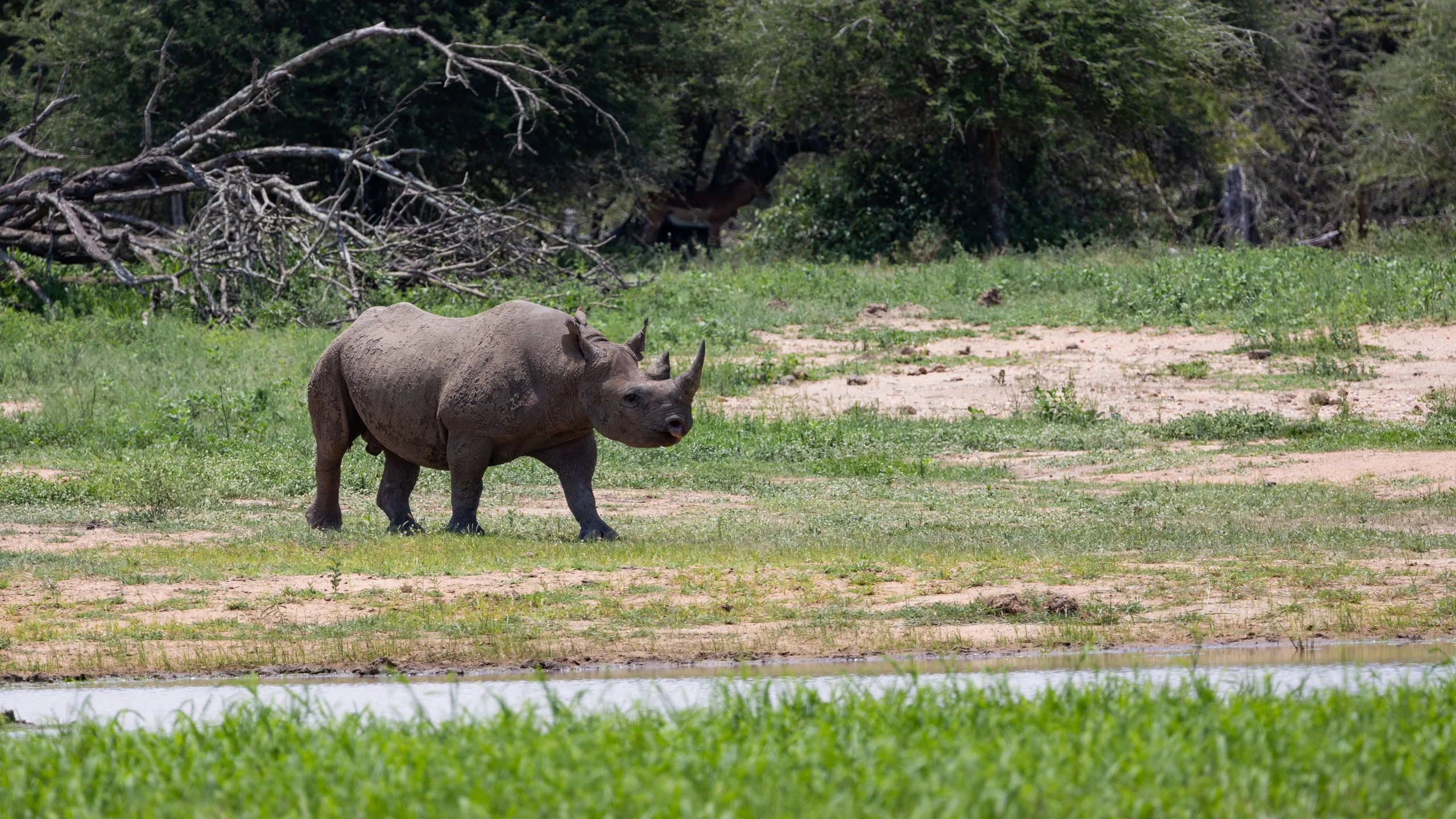
Its Center for Conservation and Research of Endangered Wildlife was among the first to point reproductive science at wildlife, and in 2001 it produced the first Sumatran rhino born in captivity in more than a century. It is also the most operationally serious zoo in the country on sustainability, which matters more than it sounds: an institution asking you to care about habitat loss while running on coal is arguing against itself.
5. Omaha's Henry Doorly Zoo and Aquarium, Nebraska
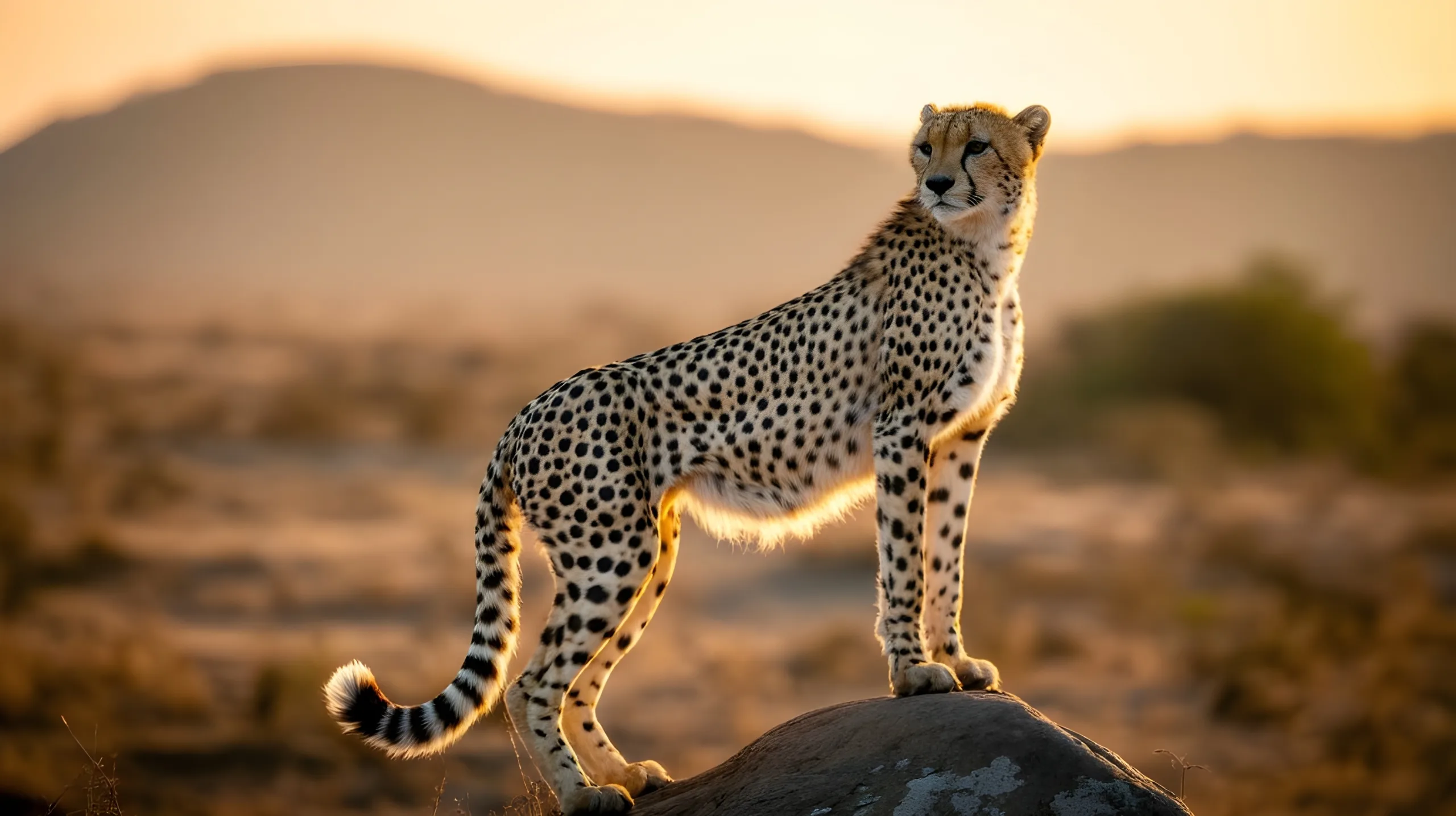
Omaha is routinely voted the best zoo in America by visitors, and unusually for a crowd favourite it earns the title on the science too. Its Center for Conservation and Research runs a genetics laboratory doing population work on species including cheetah, whose wild populations are small enough that inbreeding is a measurable threat.
Its Madagascar Biodiversity Partnership has planted millions of trees and runs lemur conservation in-country, with Malagasy staff, rather than by cheque from Nebraska.
6. Cheyenne Mountain Zoo, Colorado
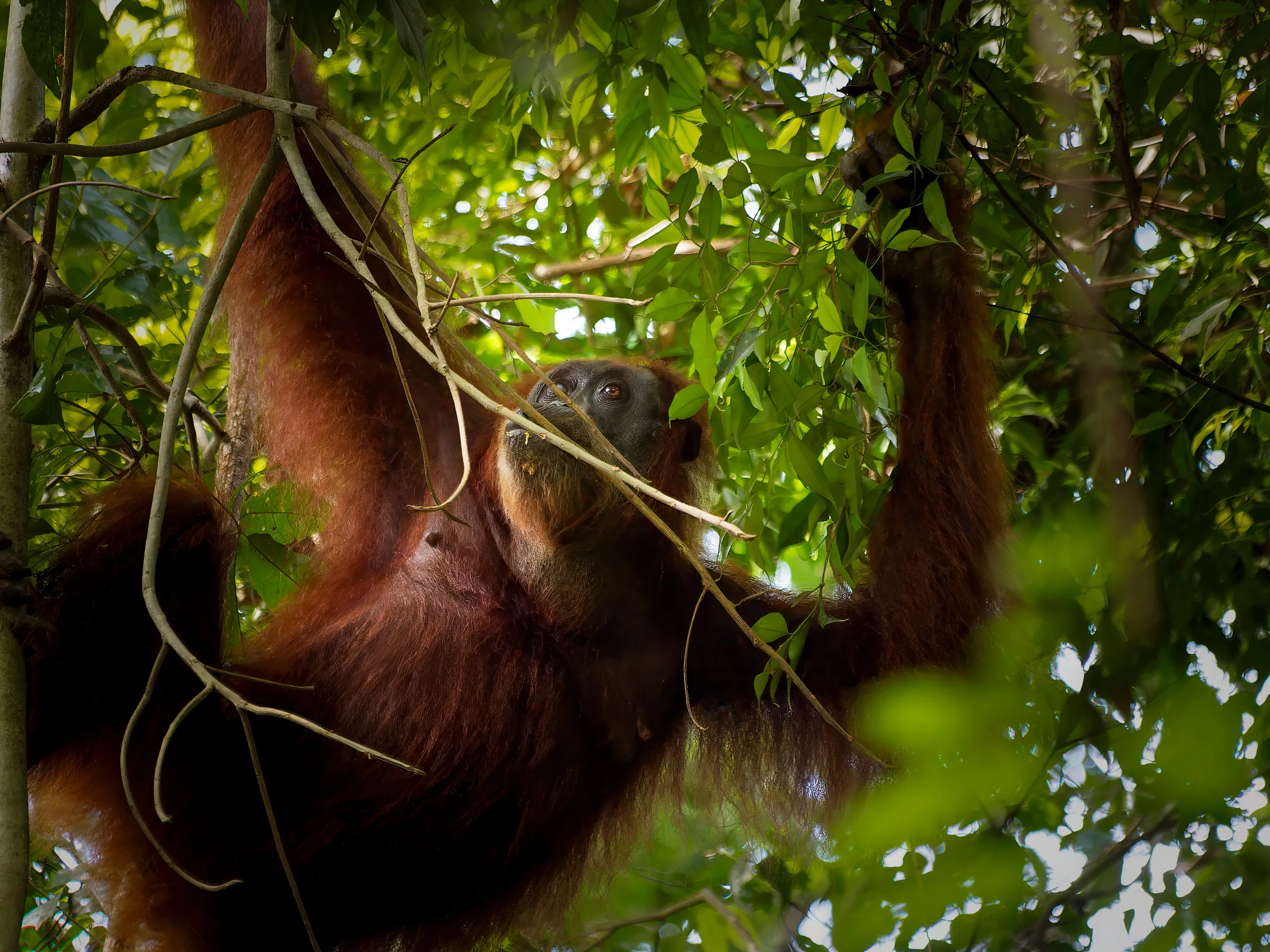
Cheyenne Mountain is the smallest institution here and the one that punches hardest. Every visitor gets a token to vote on which conservation project the zoo funds, which turns a day out into a decision somebody actually makes.
Millions of dollars have gone out this way, much of it aimed at Sumatran orangutans and the palm oil expansion driving their decline. It is also the highest-altitude zoo in the United States, which has made it unusually good at keeping species most zoos cannot.
7. Toledo Zoo, Ohio
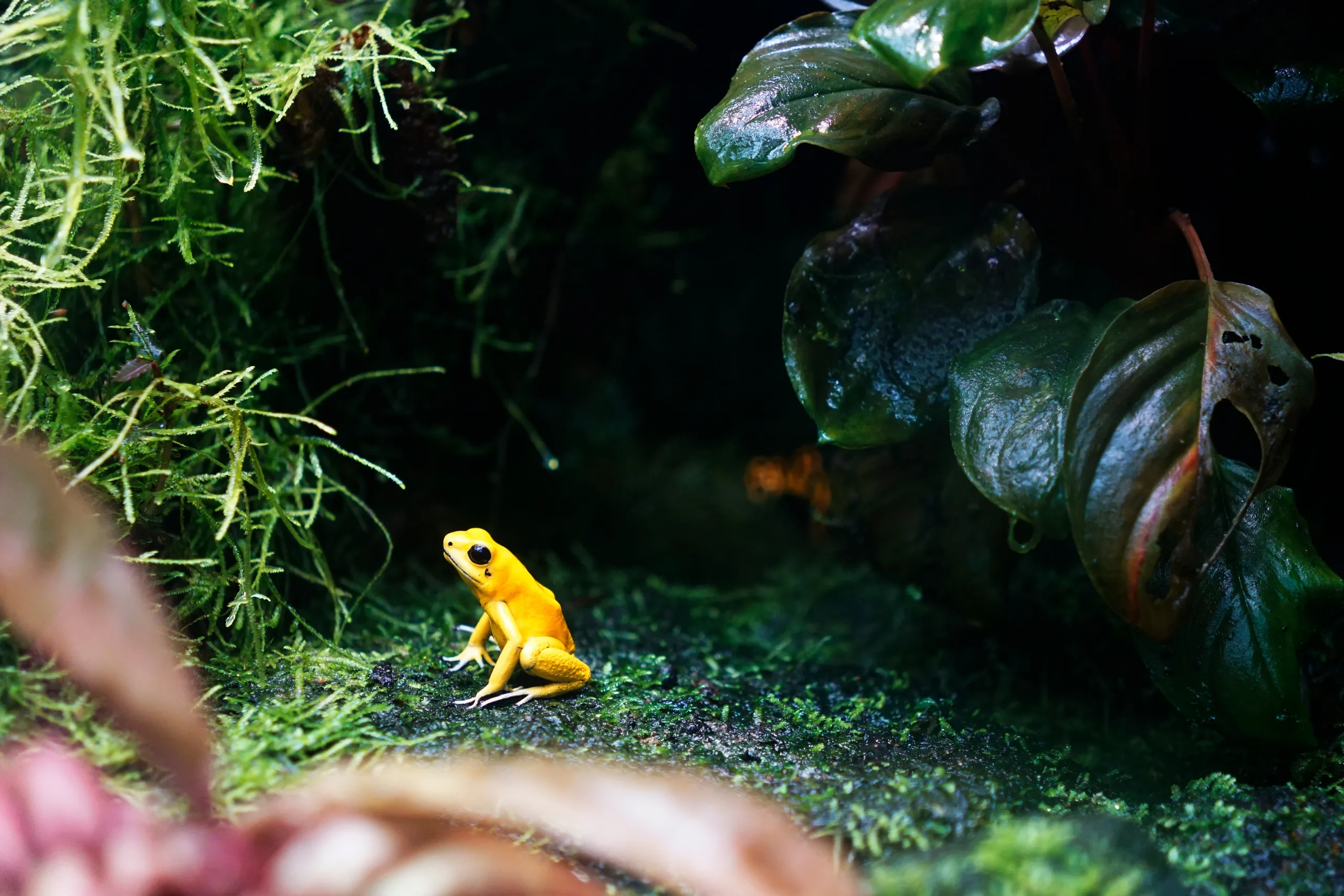
In 2000 a dam cut the water feeding the Kihansi Gorge in Tanzania and the spray wetland at its base began to dry. The Kihansi spray toad, which lived nowhere else on earth, was extinct in the wild within a few years.
Toledo and the Bronx took in the last few hundred animals, worked out how to keep a toad alive that needed constant mist, bred them in the thousands, and sent them back to Tanzania. It remains one of the only times a species declared extinct in the wild has been returned to it.
8. Lincoln Park Zoo, Chicago
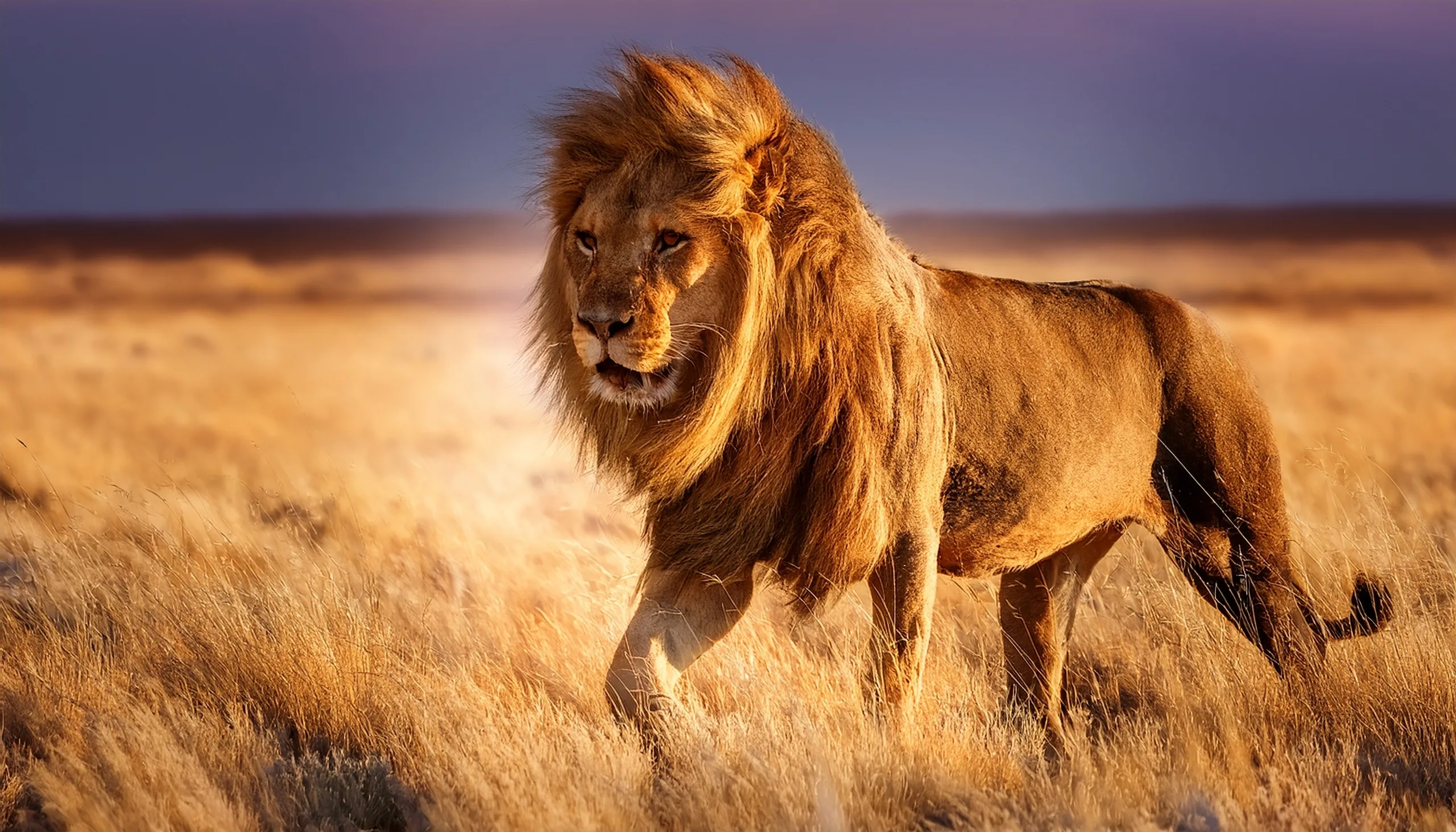
Lincoln Park is free, every day of the year, in the middle of a city of two and a half million people. Free admission is itself an ethical position: it makes the argument that access to animals should not depend on income.
Its Serengeti Health Initiative has vaccinated hundreds of thousands of domestic dogs around the park boundary against rabies and canine distemper, diseases that spill into lion and wild dog populations and can take out a third of a pride. It is conservation that looks like a veterinary clinic in a village, and it works.
9. North Carolina Zoo, Asheboro
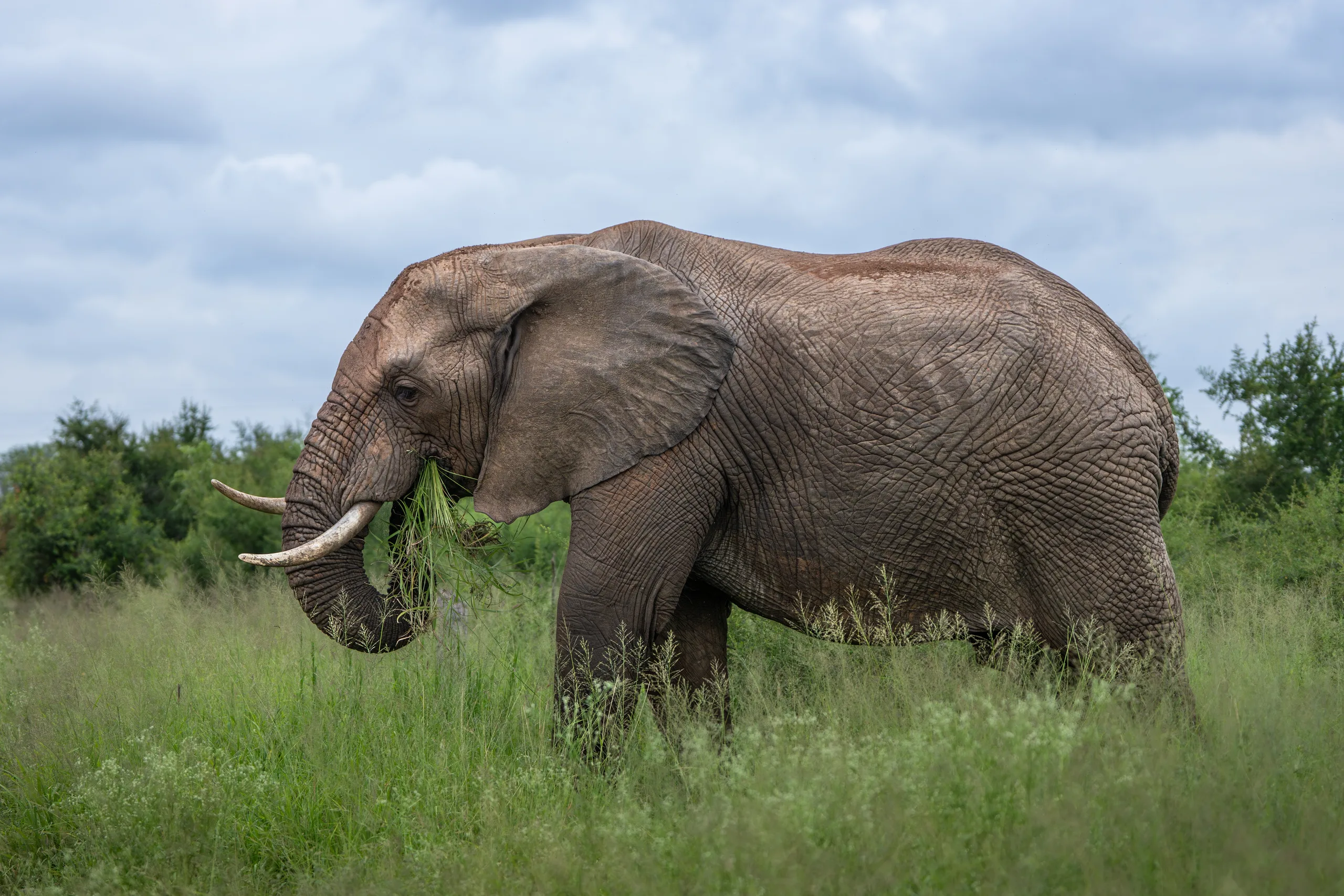
The North Carolina Zoo is the largest walk-through natural habitat zoo in the world, built on the principle that enclosure size is not a detail. Visitors walk several miles to see it all, which is the point: the animals have room because the people are the ones doing the travelling.
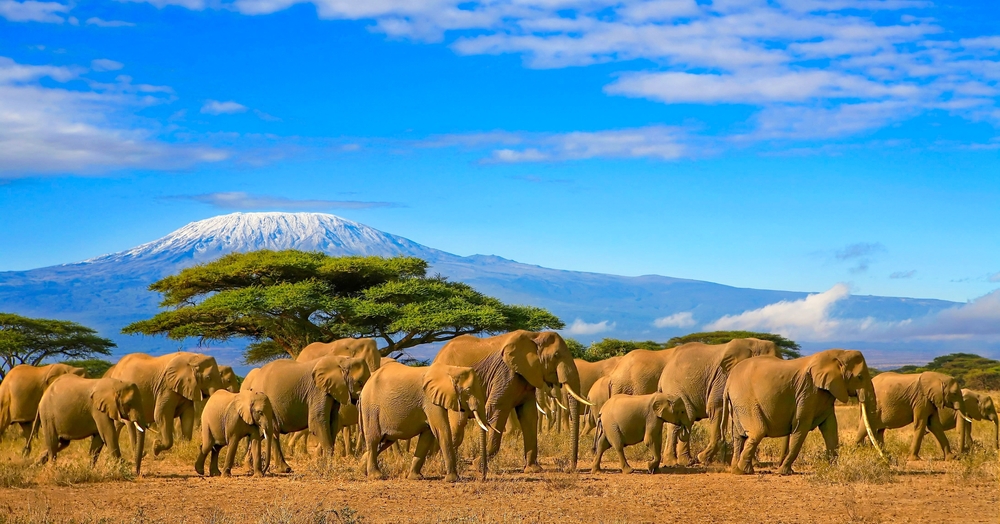
It runs the red wolf Species Survival Plan for one of the rarest canids on earth, and its field programme supports ranger patrols protecting African savanna elephants in Cameroon and northern Kenya.
10. Woodland Park Zoo, Seattle
Woodland Park largely invented the naturalistic immersion exhibit in the 1970s, replacing bars and tile with landscapes built to the species' own specification. Most of what a good modern enclosure looks like traces back here.
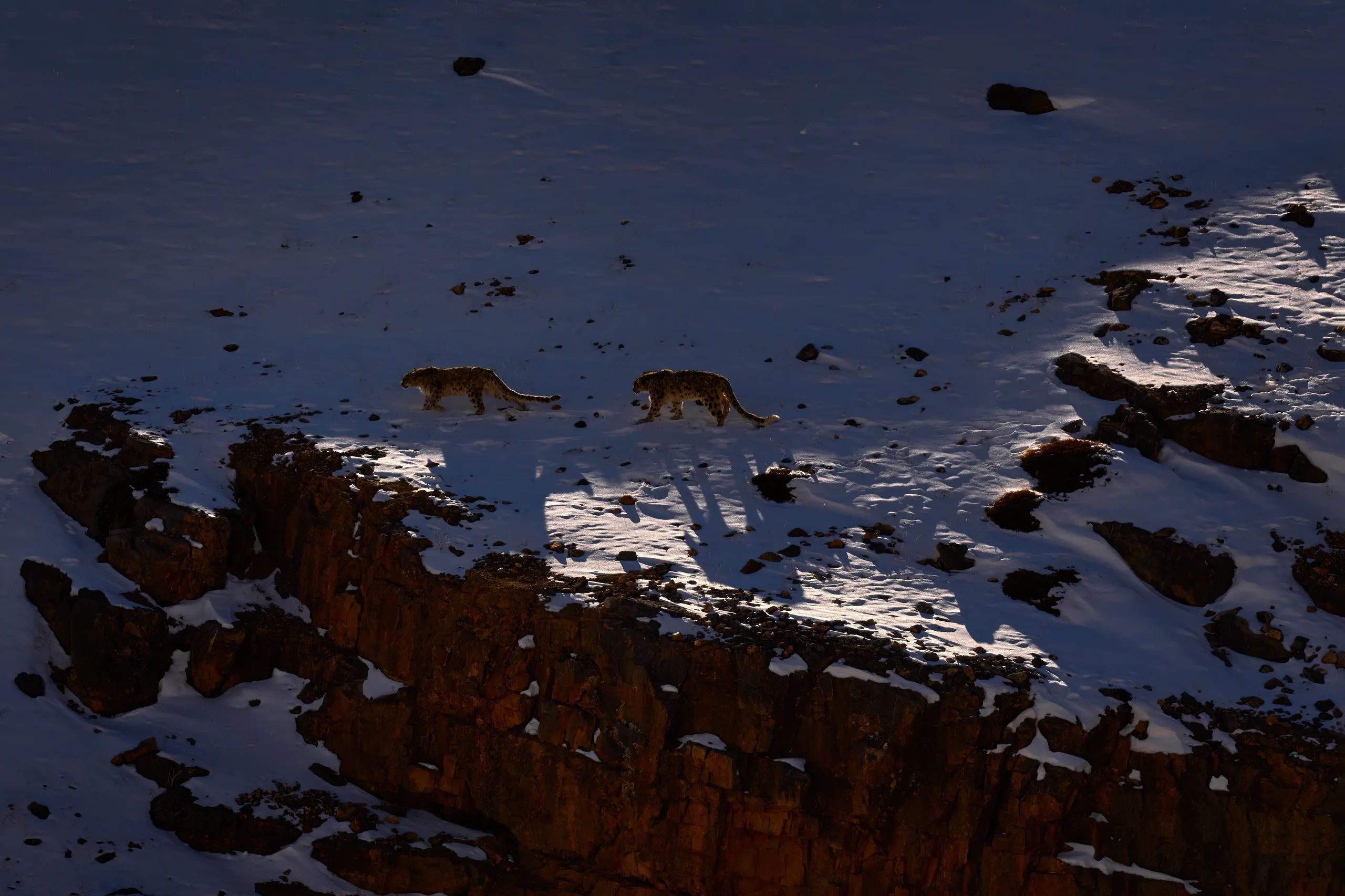
Its Tree Kangaroo Conservation Program has worked in Papua New Guinea for three decades and helped establish a conservation area of nearly 190,000 acres, secured by agreement with the landowning clans rather than imposed on them. It also takes part in the snow leopard Species Survival Plan.
11. Columbus Zoo and Aquarium, Ohio
Columbus gives away more money than most zoos earn, supporting conservation projects in dozens of countries, and it runs The Wilds, a nearly 10,000-acre former strip mine in southern Ohio now used as open pasture for rhino, Przewalski's horse and other species that need space to breed properly.
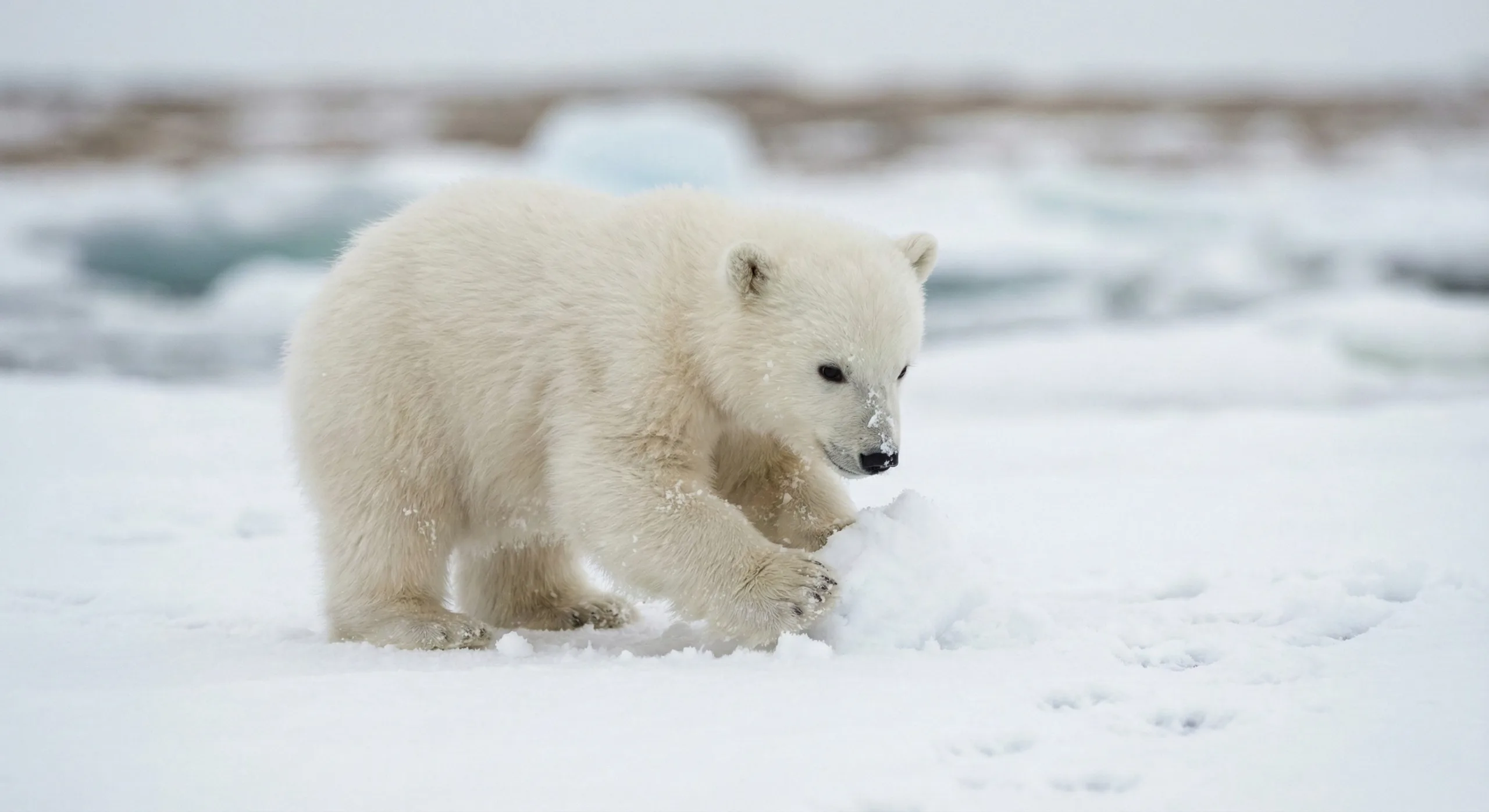
It is one of the few places in North America doing serious work on polar bears, including research on how the species copes with longer ice-free seasons.
12. Fort Worth Zoo, Texas
Fort Worth does the work almost nobody fundraises on. Amphibians and reptiles are the most threatened vertebrate groups on earth and the hardest to make charismatic, and this is one of the strongest herpetology programmes anywhere.
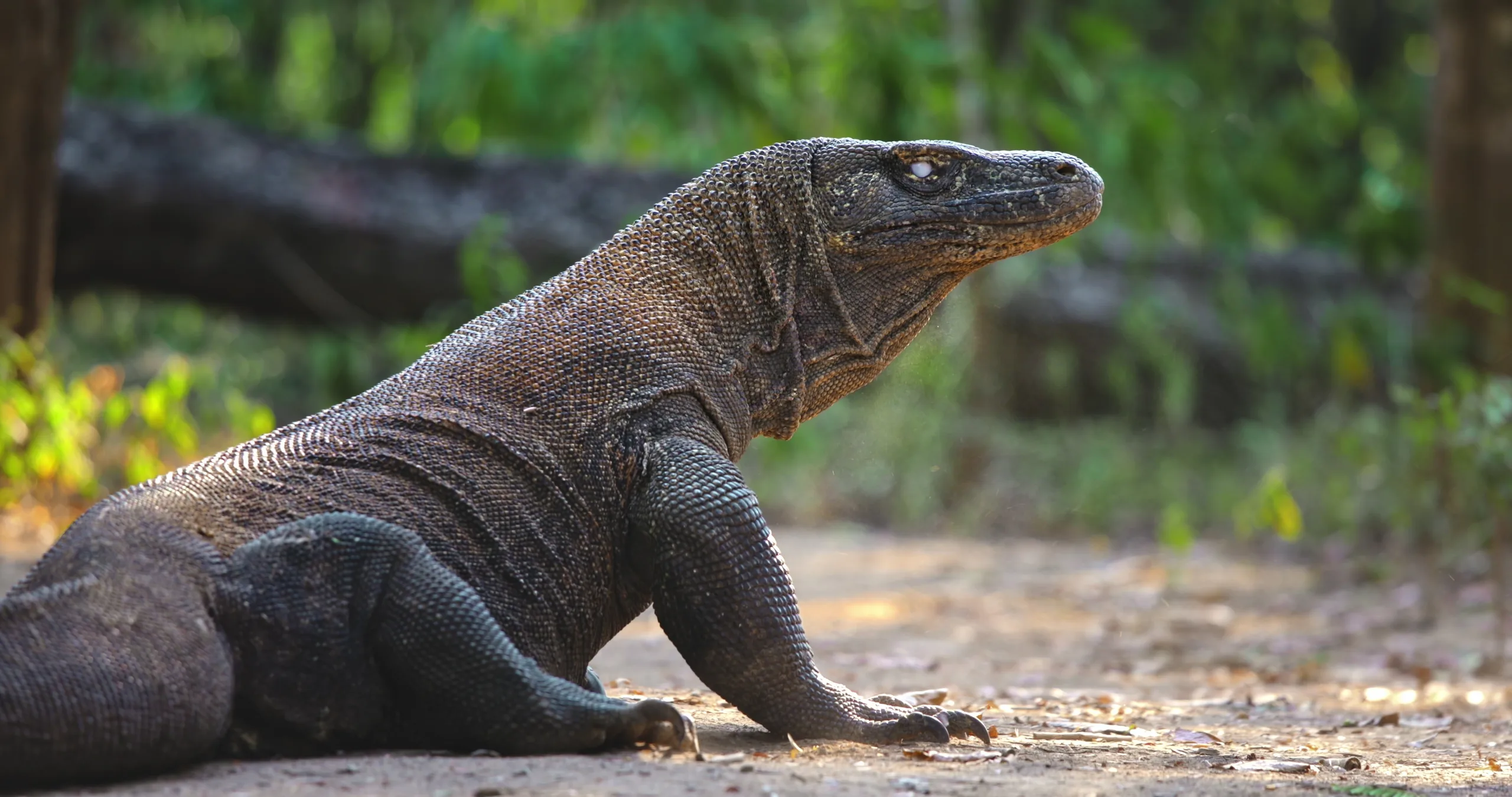
It has bred and released Puerto Rican crested toads, once thought extinct, and Louisiana pine snakes, the rarest snake in North America. It also holds Komodo dragons, a species whose breeding biology was largely worked out in captivity.
How do zoos help conservation efforts?
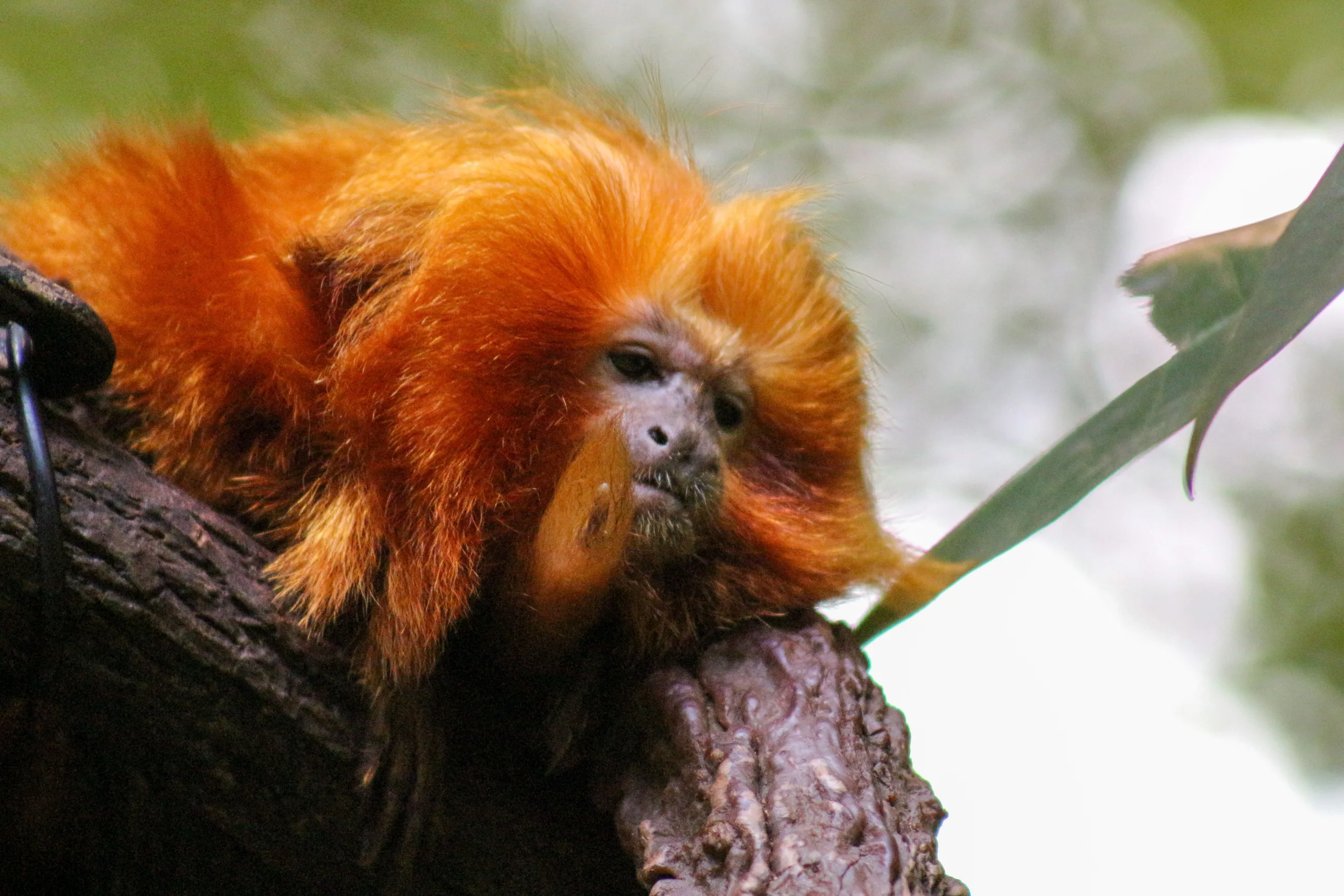
Four ways, and they are not worth the same.
They pay for the work nobody sees. AZA institutions report spending around 230 million dollars a year on conservation in the wild, more than most conservation charities raise in a year. Your ticket is a very small part of a ranger's salary somewhere you will never go.
They hold species that have run out of anywhere else. The condor, the black-footed ferret, Przewalski's horse, the Kihansi spray toad and the golden lion tamarin would all be gone. About a third of the tamarins now living in Brazil's Atlantic forest descend from animals born in zoos and carried back.
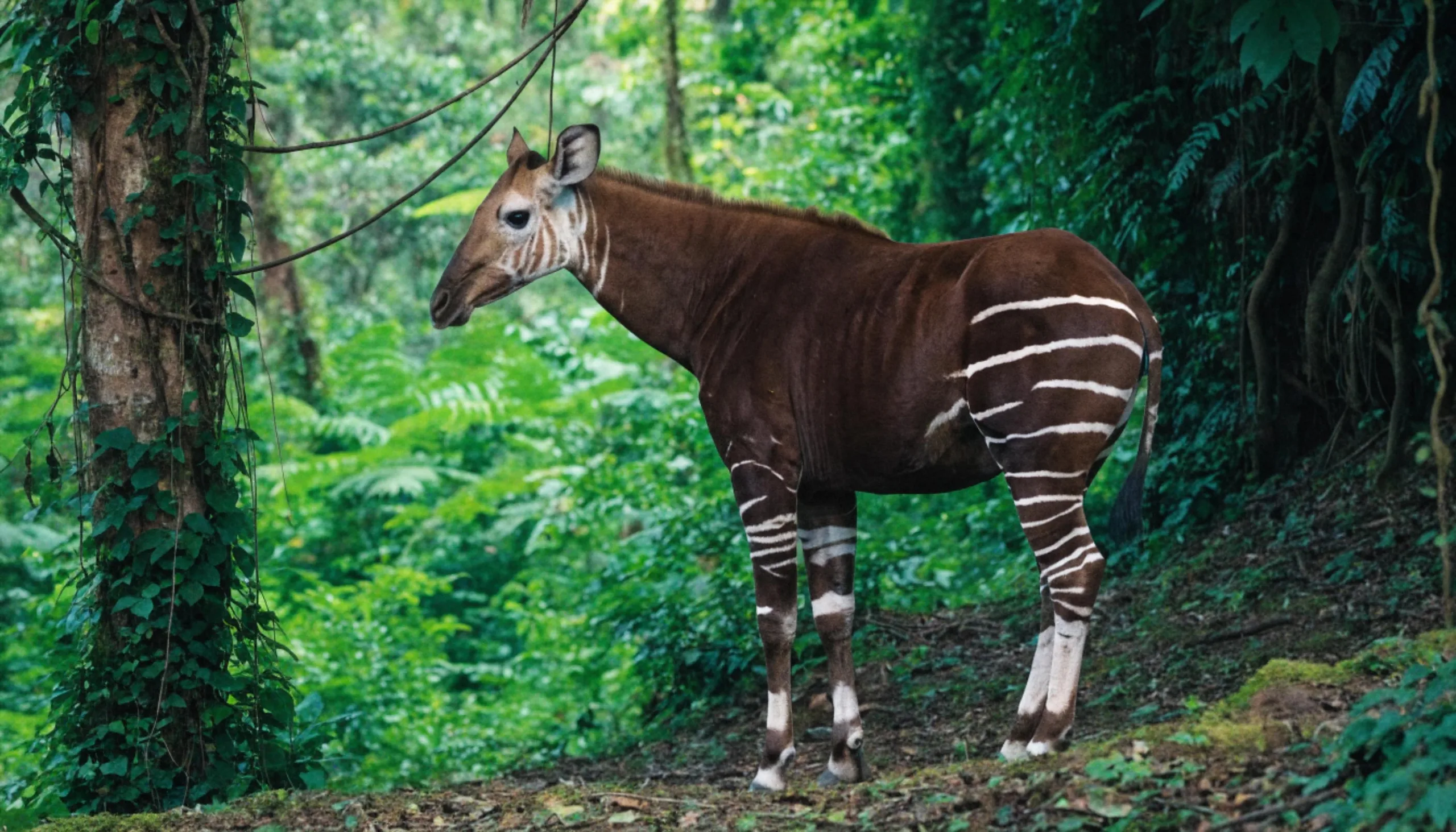
They answer questions the field cannot. How an okapi breeds, what a Komodo dragon needs to stay healthy, why a pregnancy fails. You cannot study an animal nobody can find, and most of what we know about the hardest species was learned from the few we could watch.
And they change people, which is the claim most often stretched. Walking past a tiger does not make anyone a conservationist. But a child who stands in front of a gorilla and understands, properly understands, that it is looking back has been handed something no article can give them.
How to assess any zoo yourself
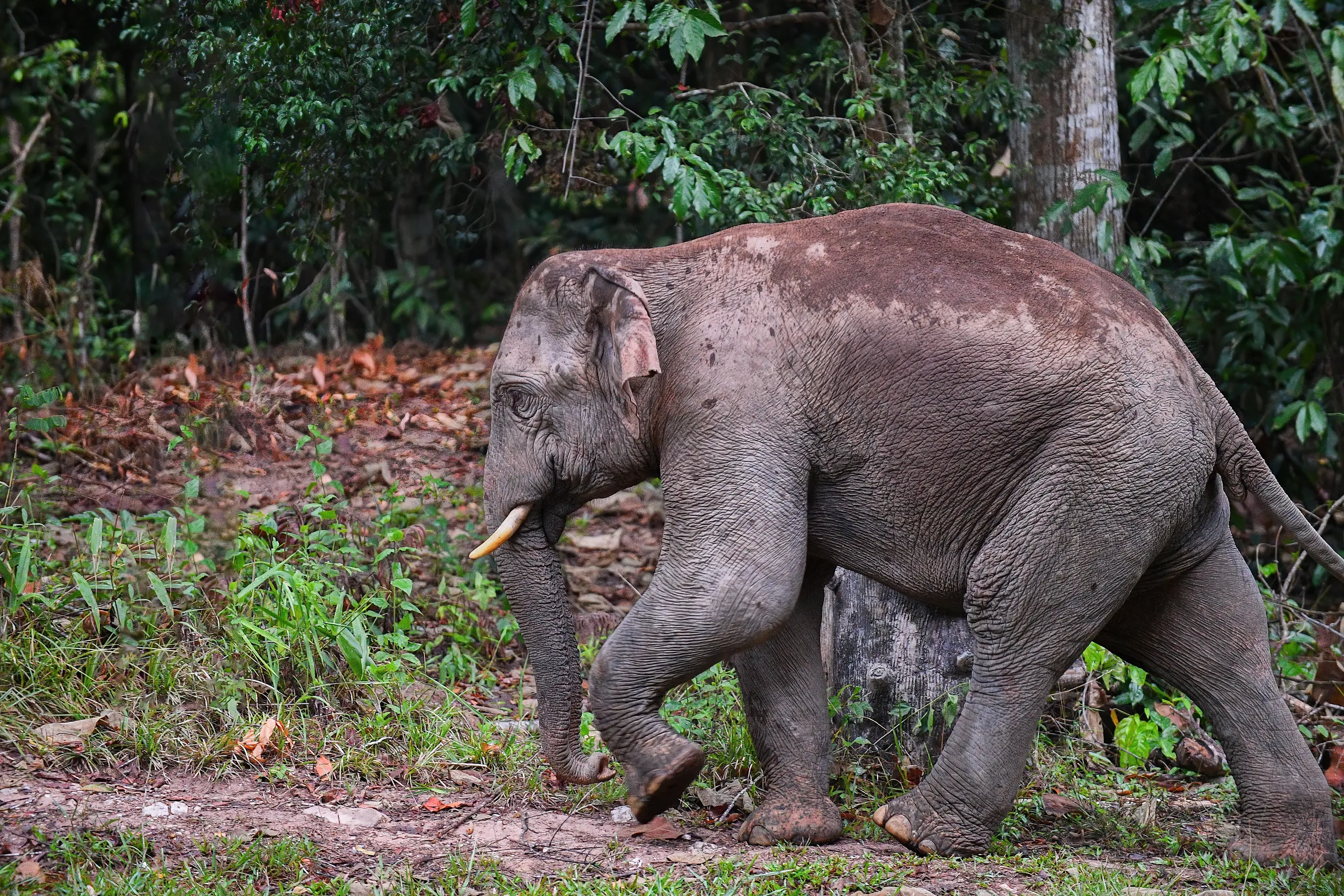
You can answer most of this before you buy a ticket.
- Check accreditation first. The Association of Zoos and Aquariums publishes its register. Accreditation means inspectors came and looked. A USDA licence, which roadside attractions also hold, means somebody filled in a form.
- Look for named projects and real numbers. Serious institutions publish which field programmes they fund and what they gave. Vagueness is the tell.
- Ask whether the breeding is planned. Cubs sell tickets. A Species Survival Plan birth is a genetic decision made across the whole country. One is a product, the other is a population.
- See whether animals can get away from you. Shade, height, dense cover, somewhere out of sight. An animal with no retreat is on display every waking hour of its life.
- Count the bars. Naturalistic habitat built to the species' needs is expensive and tells you where the money goes. Tiled walls and chain-link tell you the same thing in reverse.
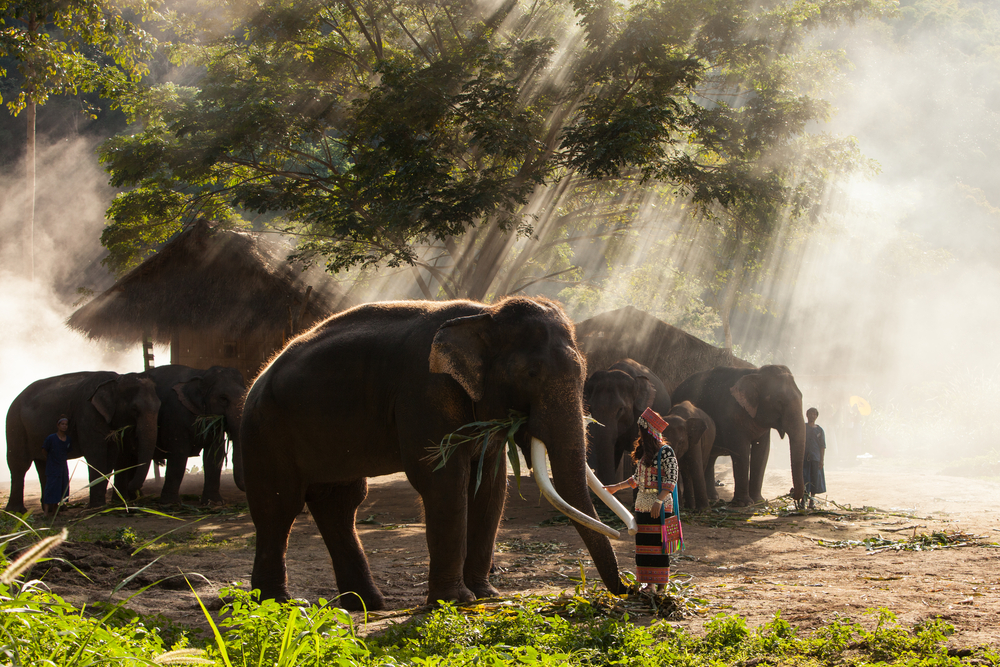
- Watch for anything sold as contact. Elephant rides, cub petting, swim-with sessions. These exist because they feel special and they pay extremely well. AZA accreditation effectively rules them out, which tells you what the industry concluded about them.
- Read the signs in front of the animals. Good ones name the species, its status, the threat, and what the institution is doing about it. Bad ones give you a name and a fun fact.
- Ask what happens to the surplus. Reputable zoos move animals within accredited networks. The question of where the extra animals go has an uncomfortable answer at the bottom end of the industry.
A good zoo is a conservation organization that happens to have a gate. A bad one is an attraction that happens to have animals. The distance between them is enormous, and nothing at the entrance will tell you which you have walked into.
Those twenty-two condors are the argument for all of it. Caught, held, bred, and sent back over forty years by people who knew they would not live to see it finish. If you would rather put money straight into that kind of work, our directory lists vetted sanctuaries and field projects worldwide, and you can find them by the species you care about most.