
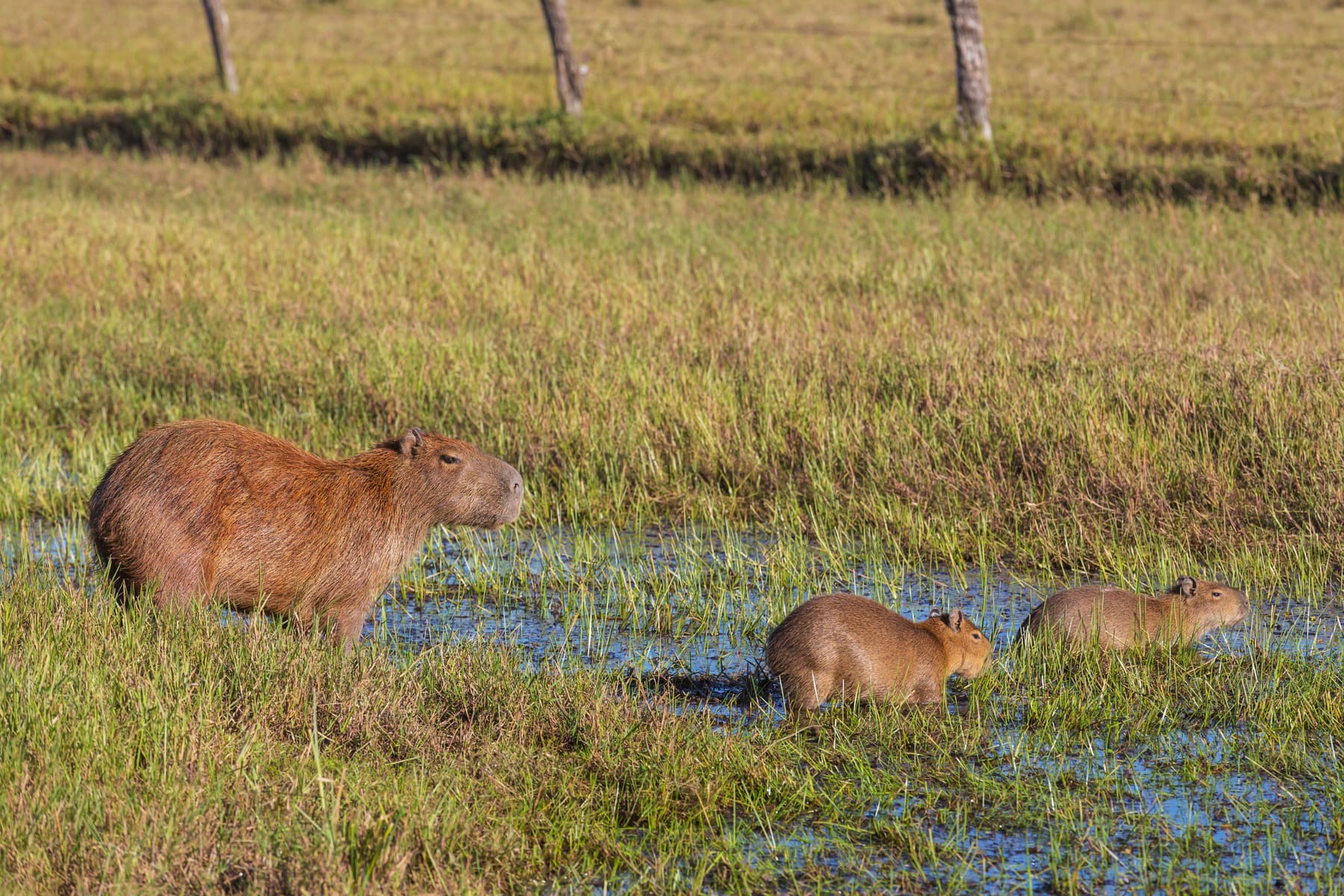
Wetland animals live on the ground we drain first
Wetlands cover about 6% of the planet and hold roughly 40% of its species. We have destroyed more of them, faster, than any other habitat on Earth.
31 stories in this category.
Wetlands cover about 6% of the planet and hold roughly 40% of its species. We have destroyed more of them, faster, than any other habitat on Earth.
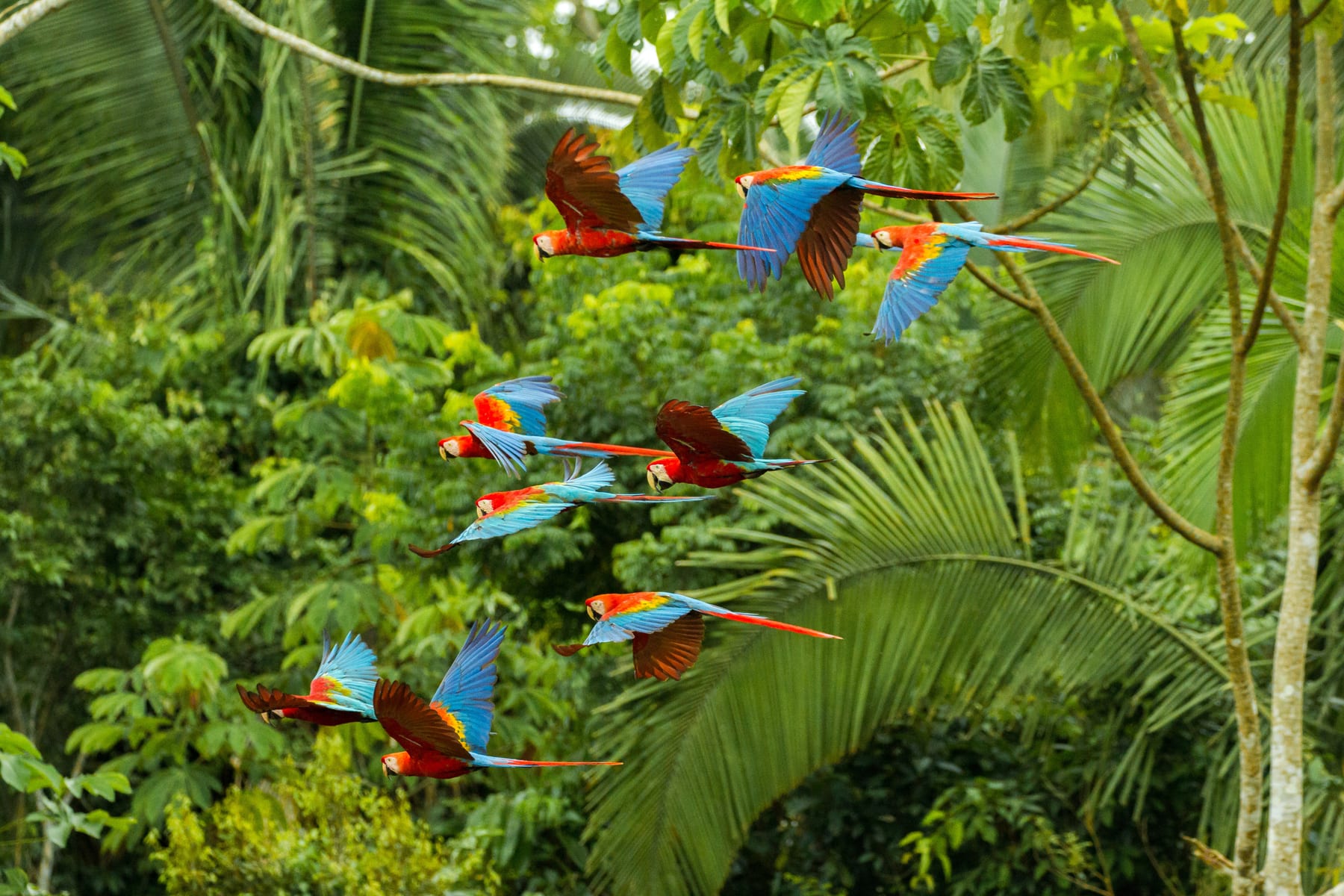
Bright color is expensive and conspicuous, so it only evolves when it earns its keep. Usually it is a warning, a signal, or a lie about being dangerous.
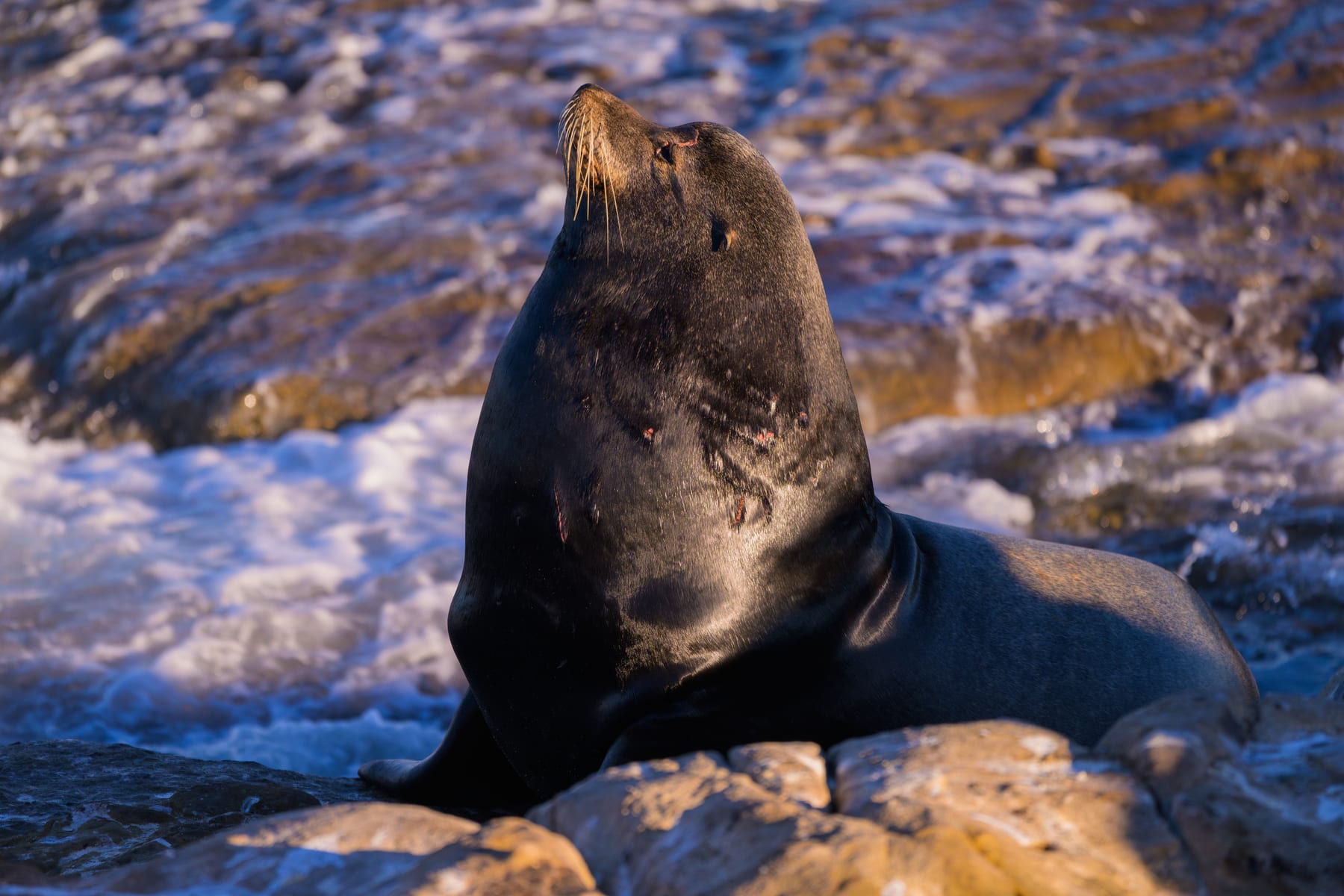
One has visible ear flaps and can walk on land. The other has a hole where the ear should be and moves like a caterpillar. Everything else follows from that.
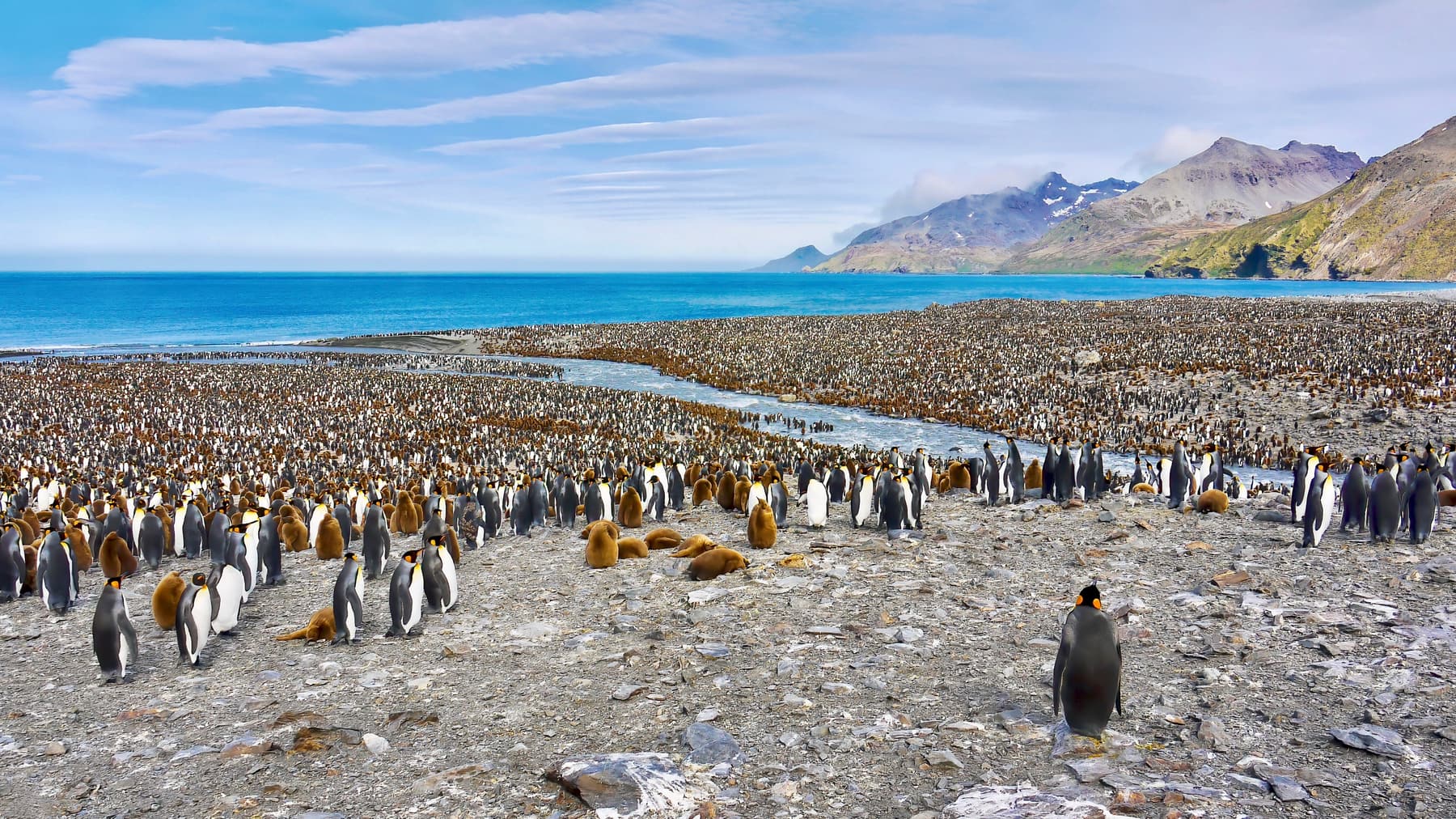
There are 18 penguin species and most live in temperate or even tropical water. One breeds on the equator. The Antarctic image covers two of them.
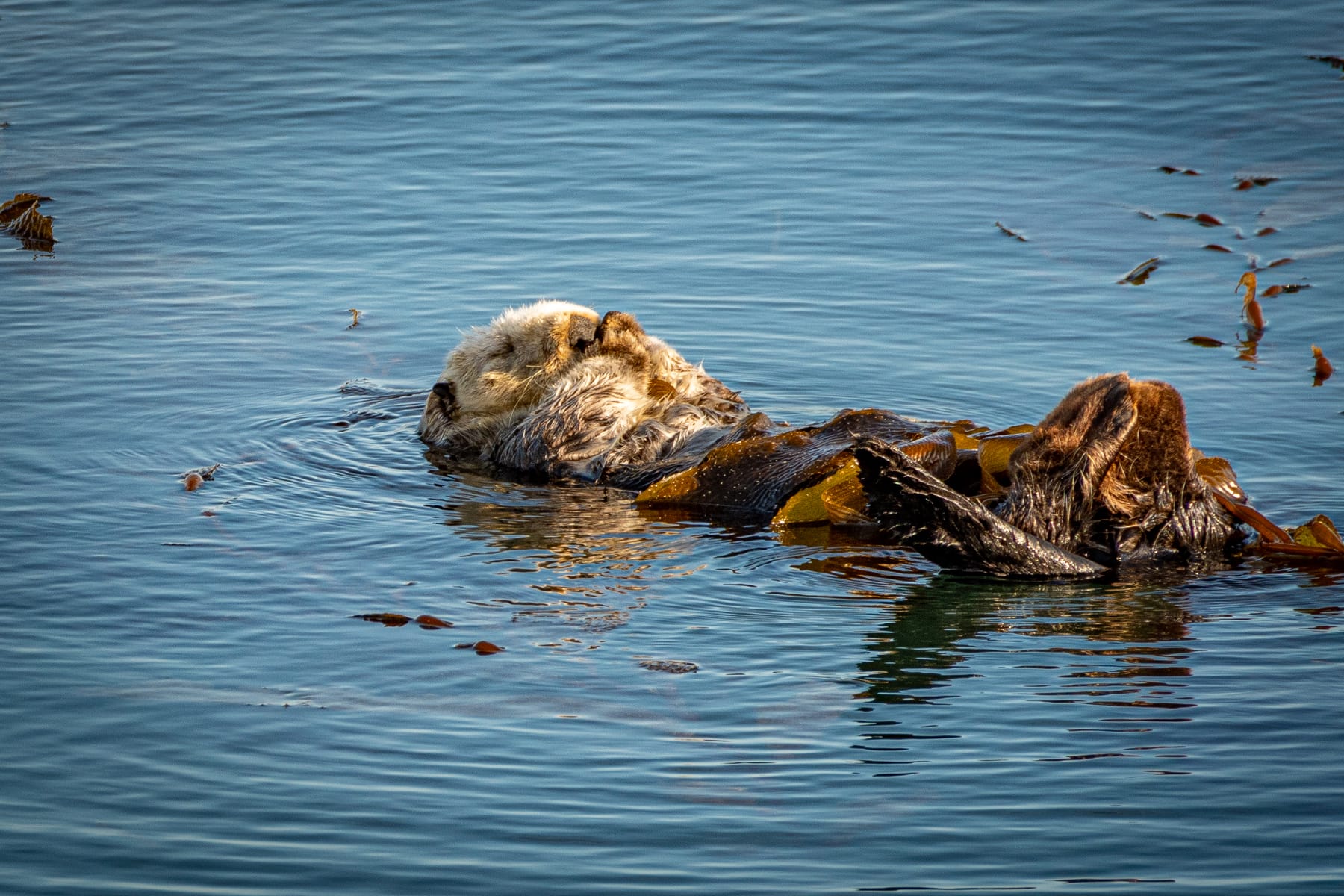
Cuteness is a measurable set of features, and it decides which species get funded. That is good news for about a dozen animals and bad news for everything else.
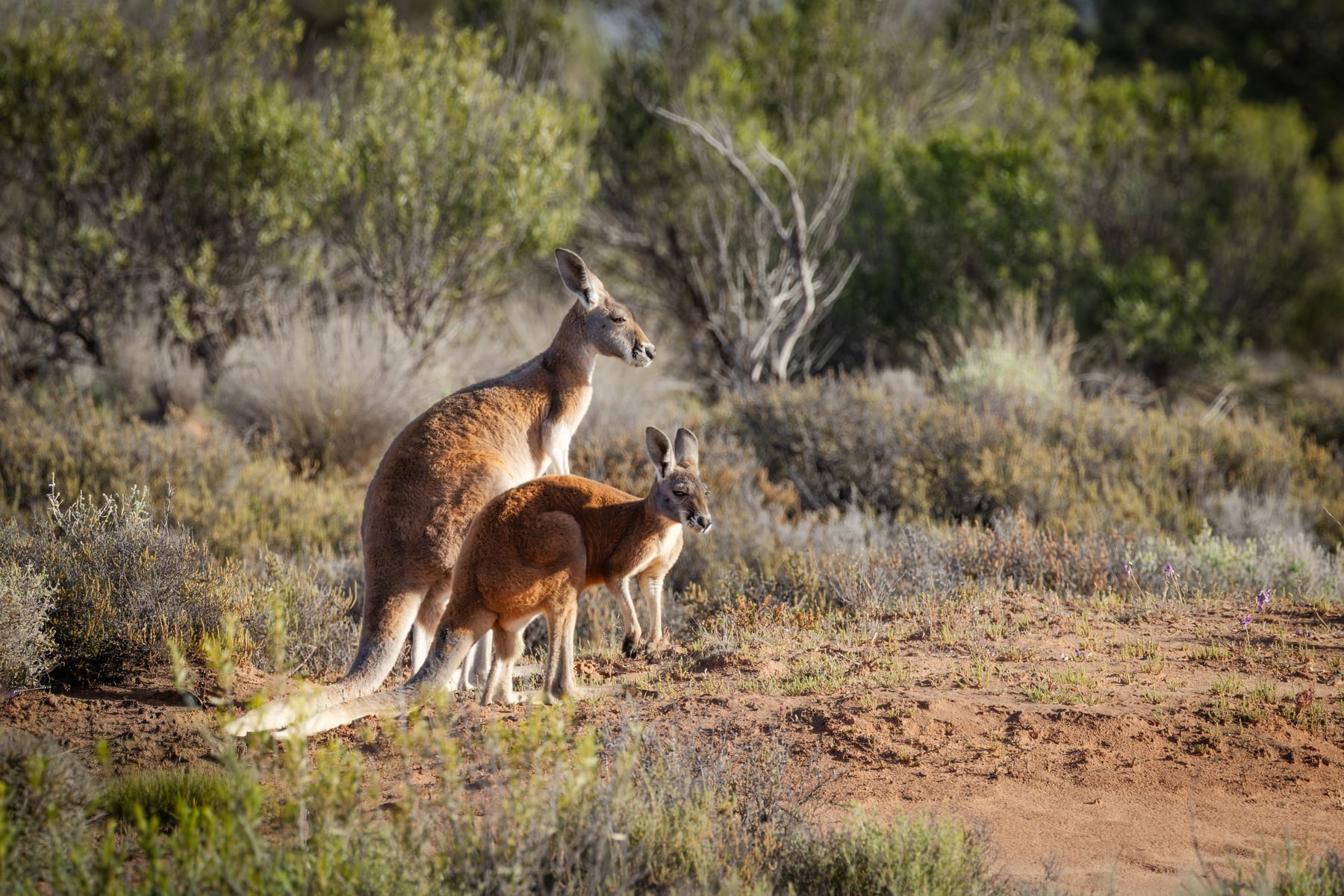
A kangaroo is born the size of a jellybean and crawls to the pouch unaided. That is the normal part. It gets stranger from there.
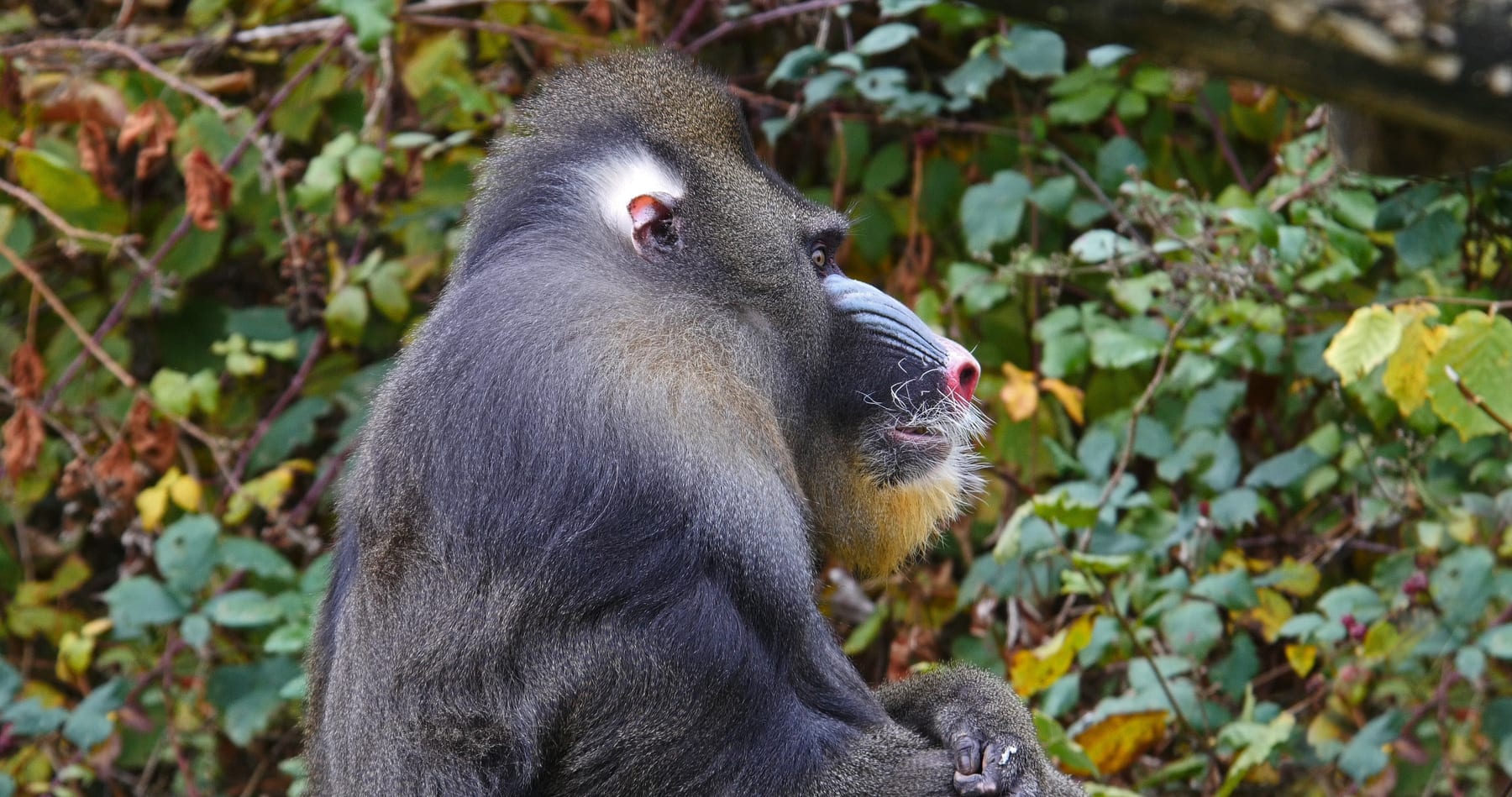
There are around 260 monkey species split across two groups that have been apart for 40 million years. Half the animals people call monkeys are not monkeys.
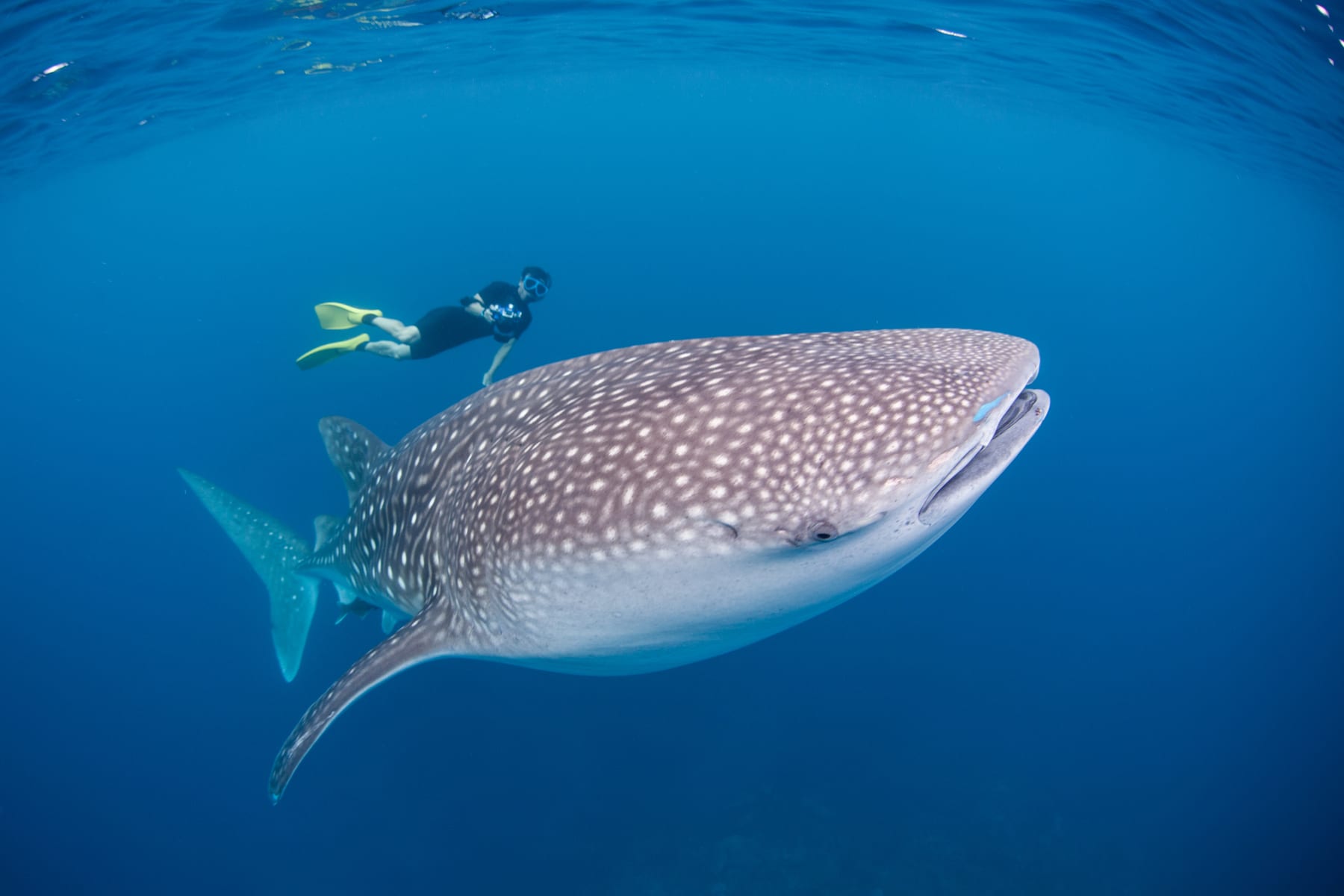
There are over 500 shark species and most of them are nothing like the one in the film. The largest eats plankton and the smallest fits in a hand.
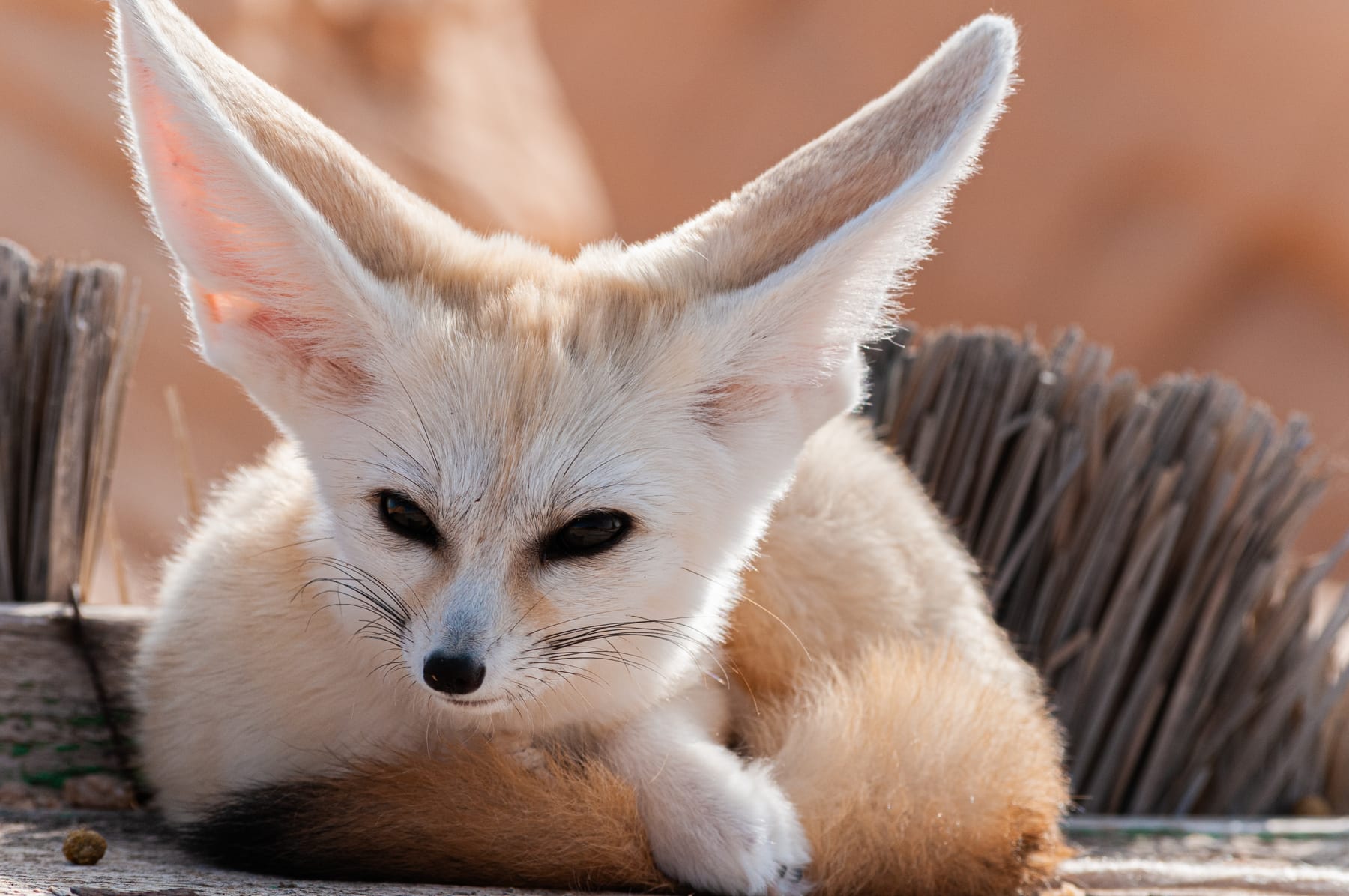
A desert is not defined by heat. It is defined by water, and every animal living in one is a different answer to the same problem.
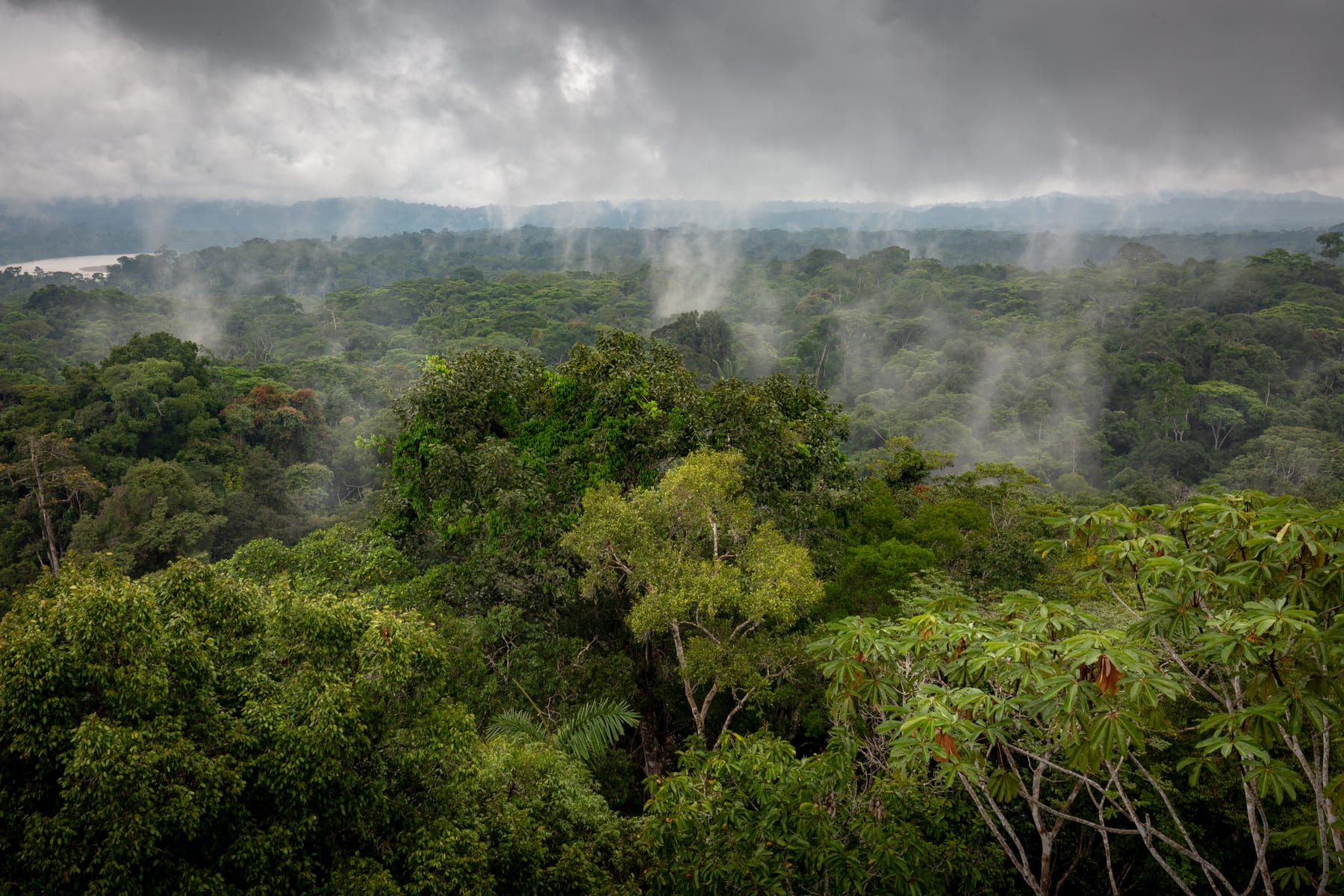
Habitat beats everything, funding beats awareness, and the interventions people reach for first are usually the least effective. Here is the order that works.
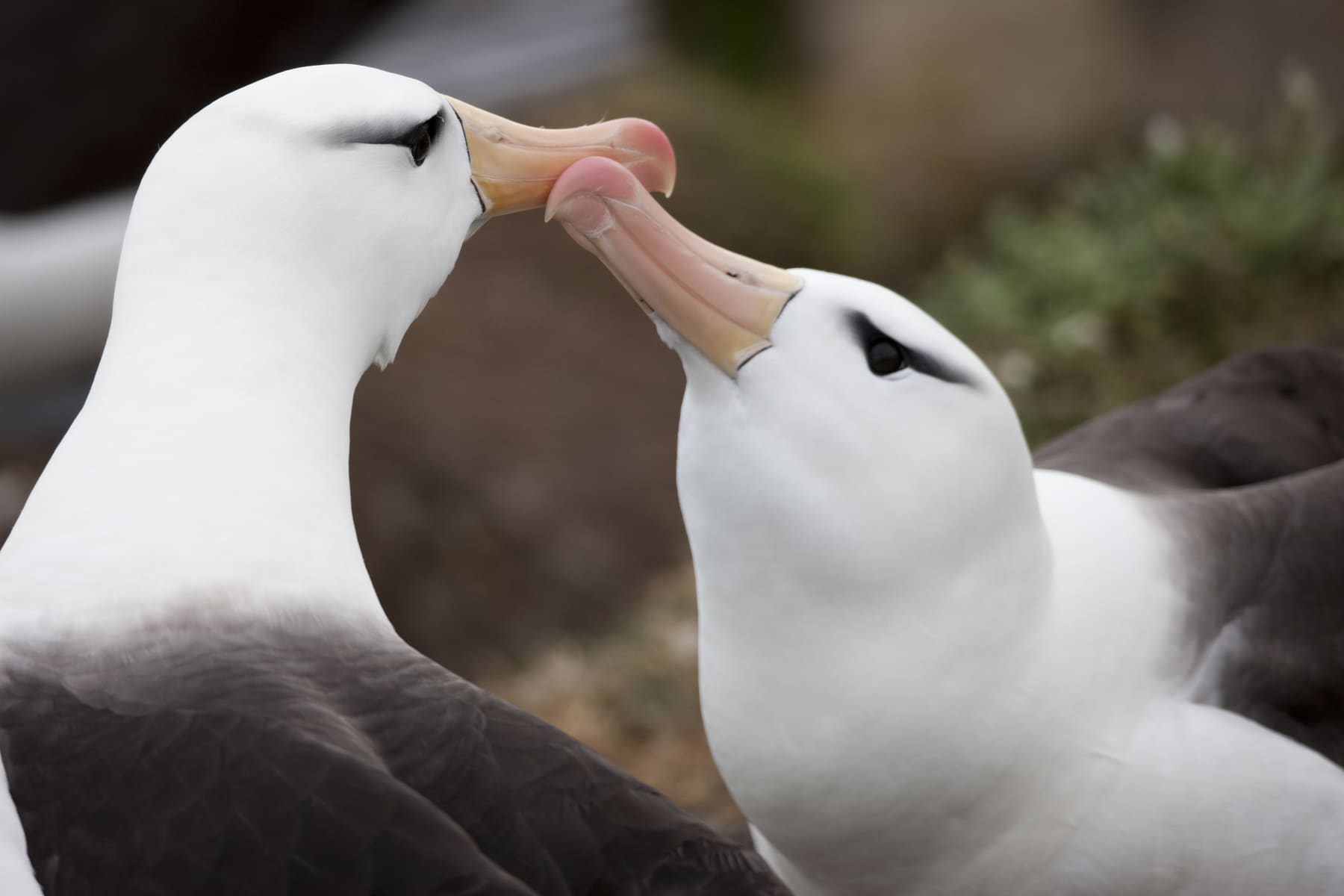
Lifelong pairing is rarer than the internet suggests, and DNA testing has complicated most of the famous examples. Here is what holds up.
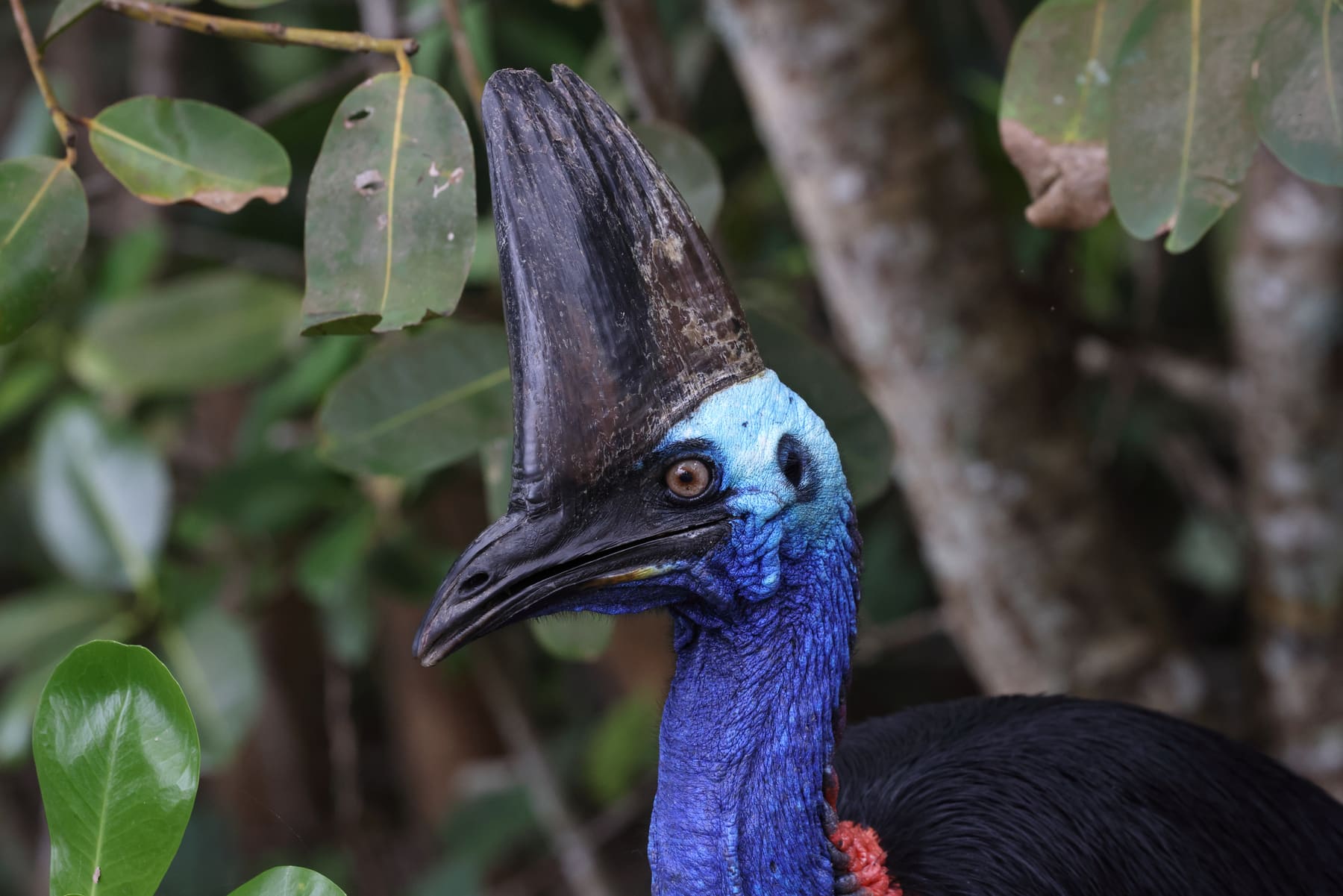
Around 60 bird species cannot fly, and almost all of them evolved on islands with no ground predators. Then ships arrived.
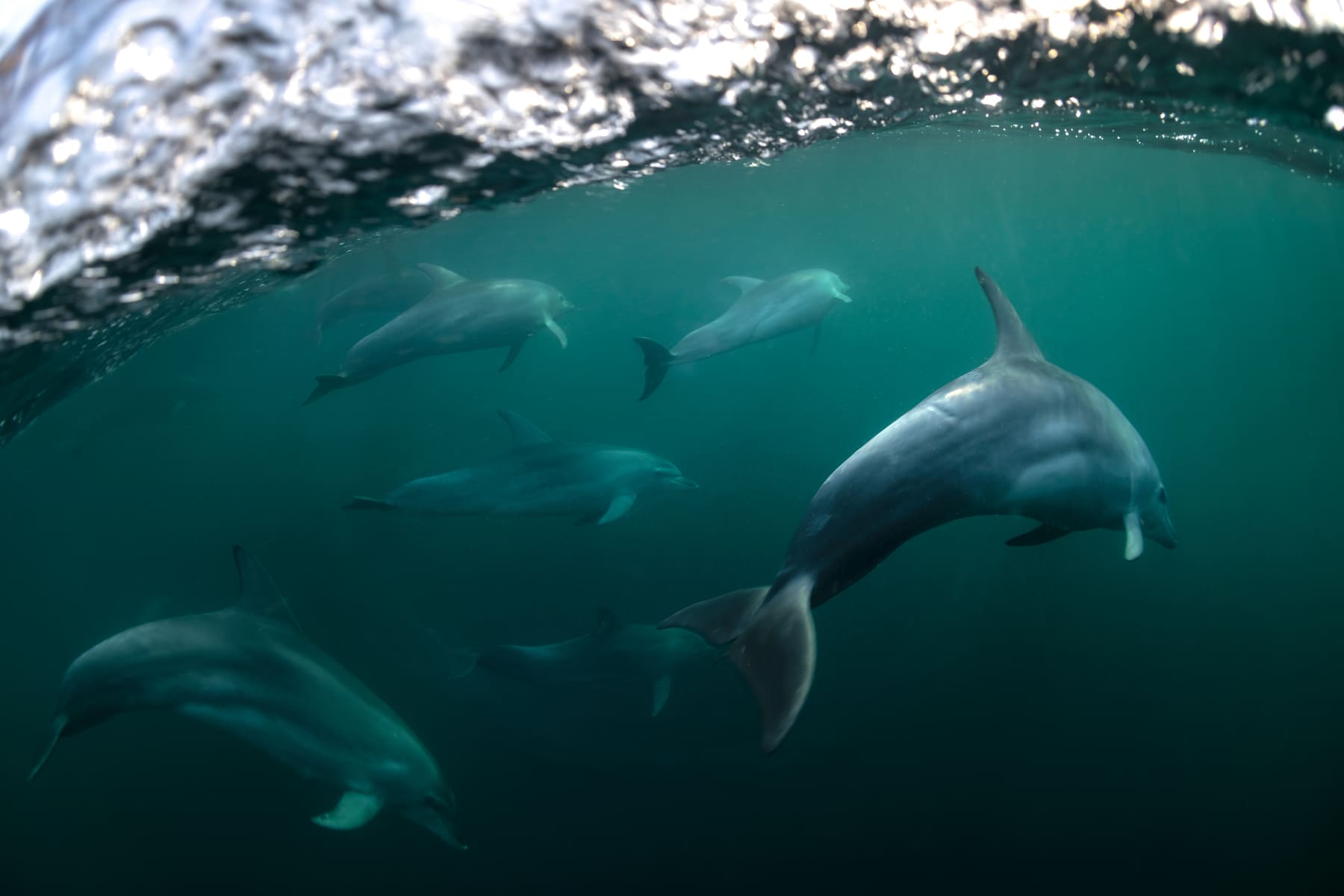
Intelligence in animals is not one thing. Here are the species that top each measure of it, and why most of them are threatened.
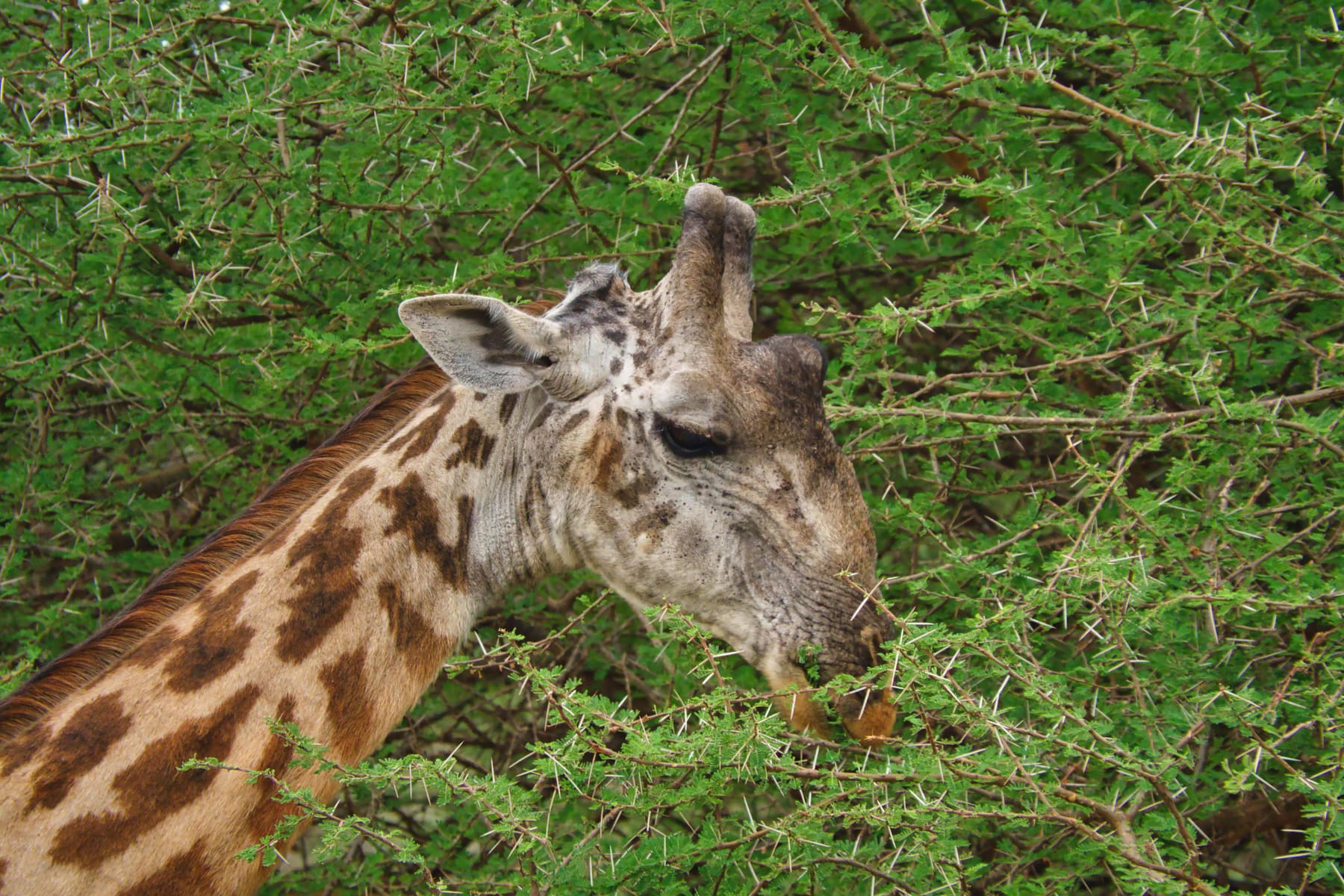
Grasslands cover a quarter of the planet's land and hold the largest herds left on Earth. The animals in them divide the same plants in ways that took millions of years to work out.
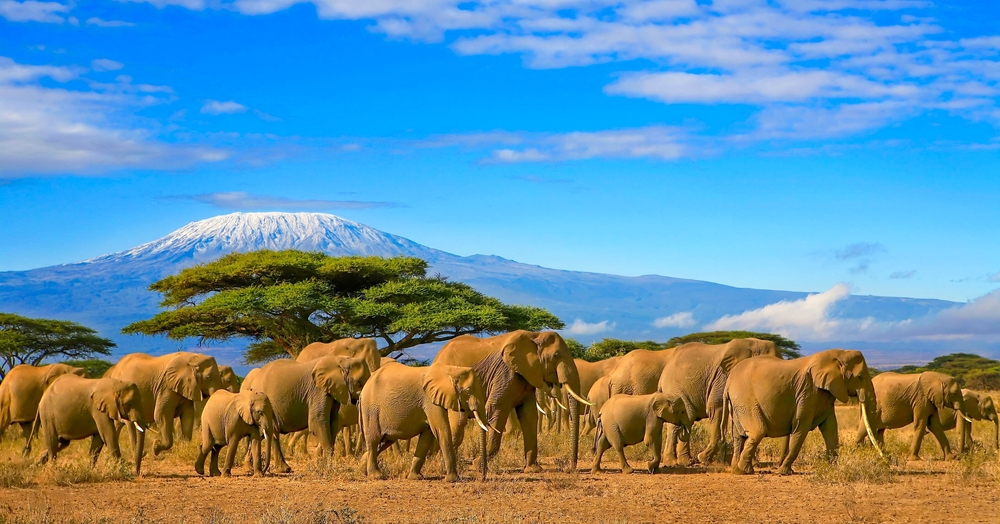
Africa holds the last places on Earth where large mammals still move in the numbers they evolved in. Here is what lives there, and what each species does.
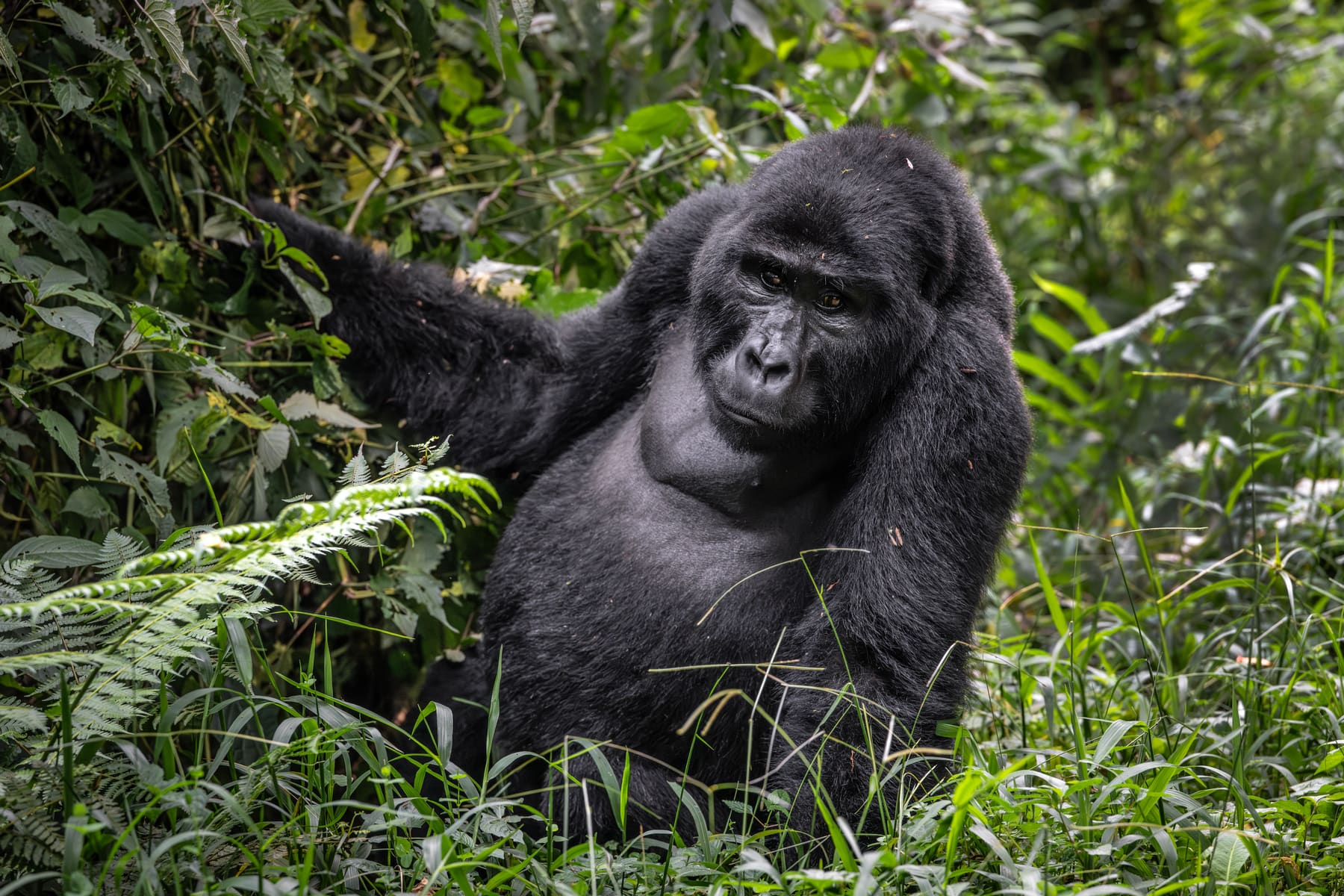
Four kinds of great ape, six species, and every one is Endangered or worse. Humans are the seventh, and the only one not in trouble.
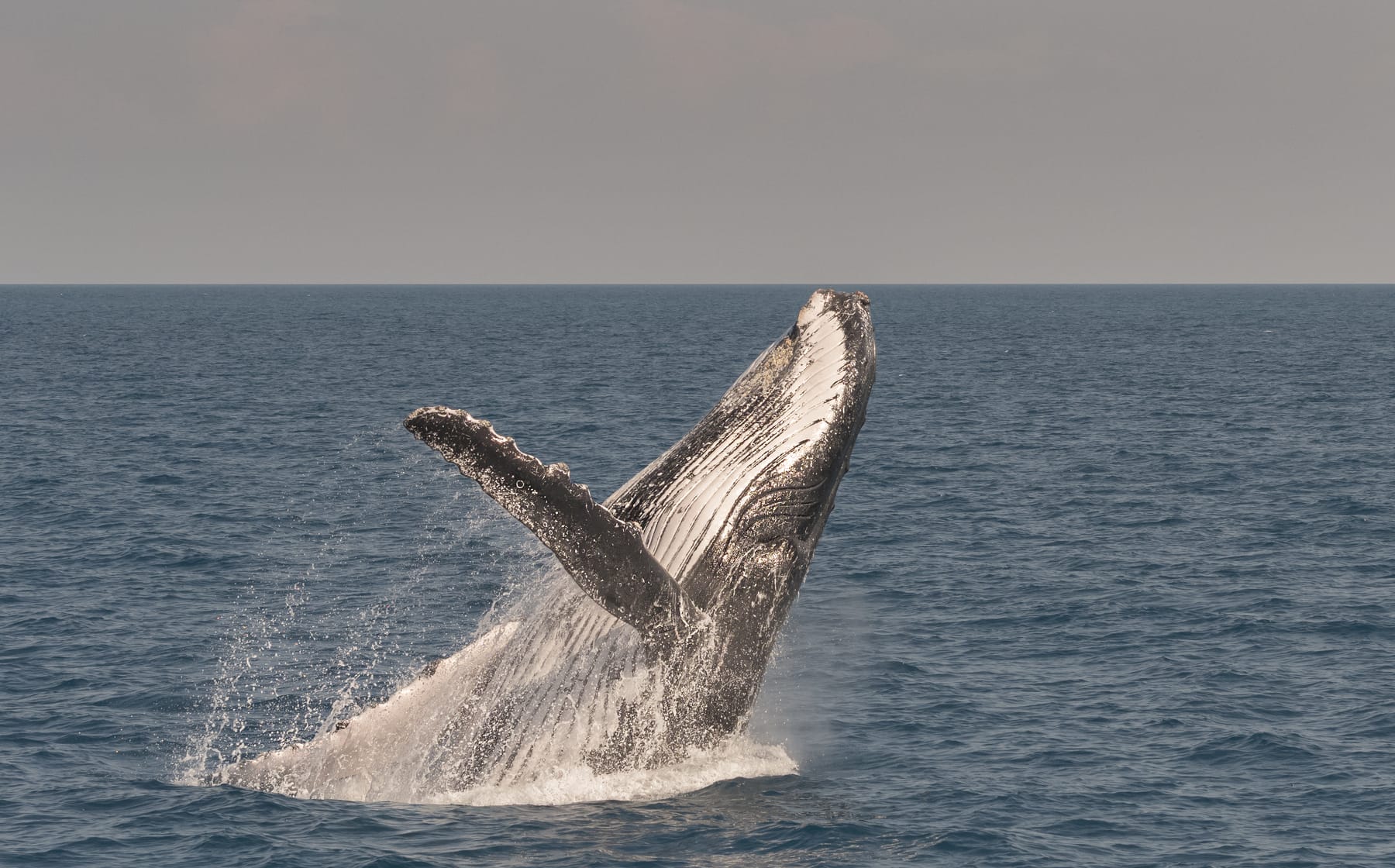
Every whale is either a filter feeder or a hunter with teeth. That split decides how they eat, how they hunt, and which are in the most trouble.
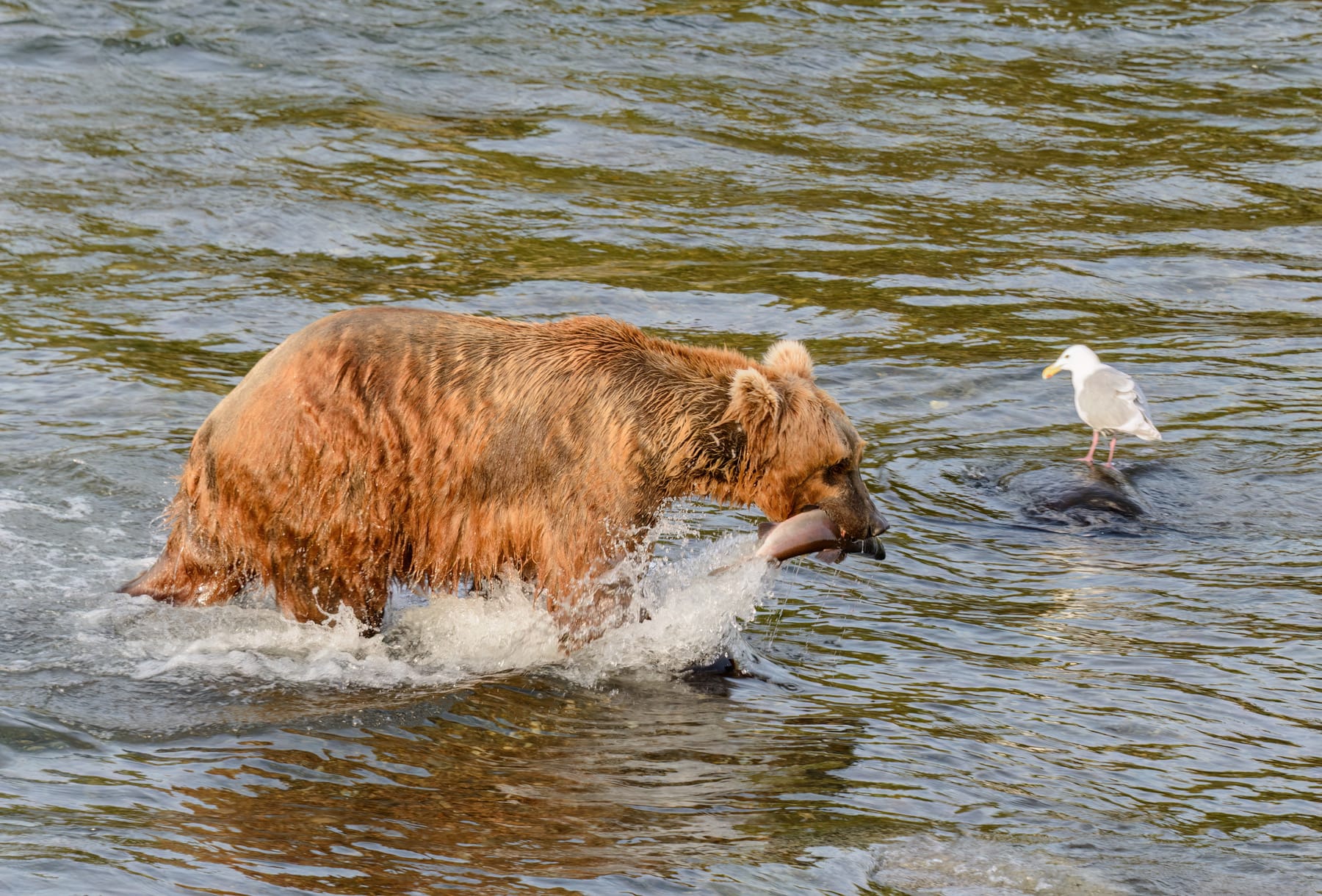
Eight species, from a bear that eats almost nothing but bamboo to one that hunts seals on sea ice. Six of the eight are threatened.
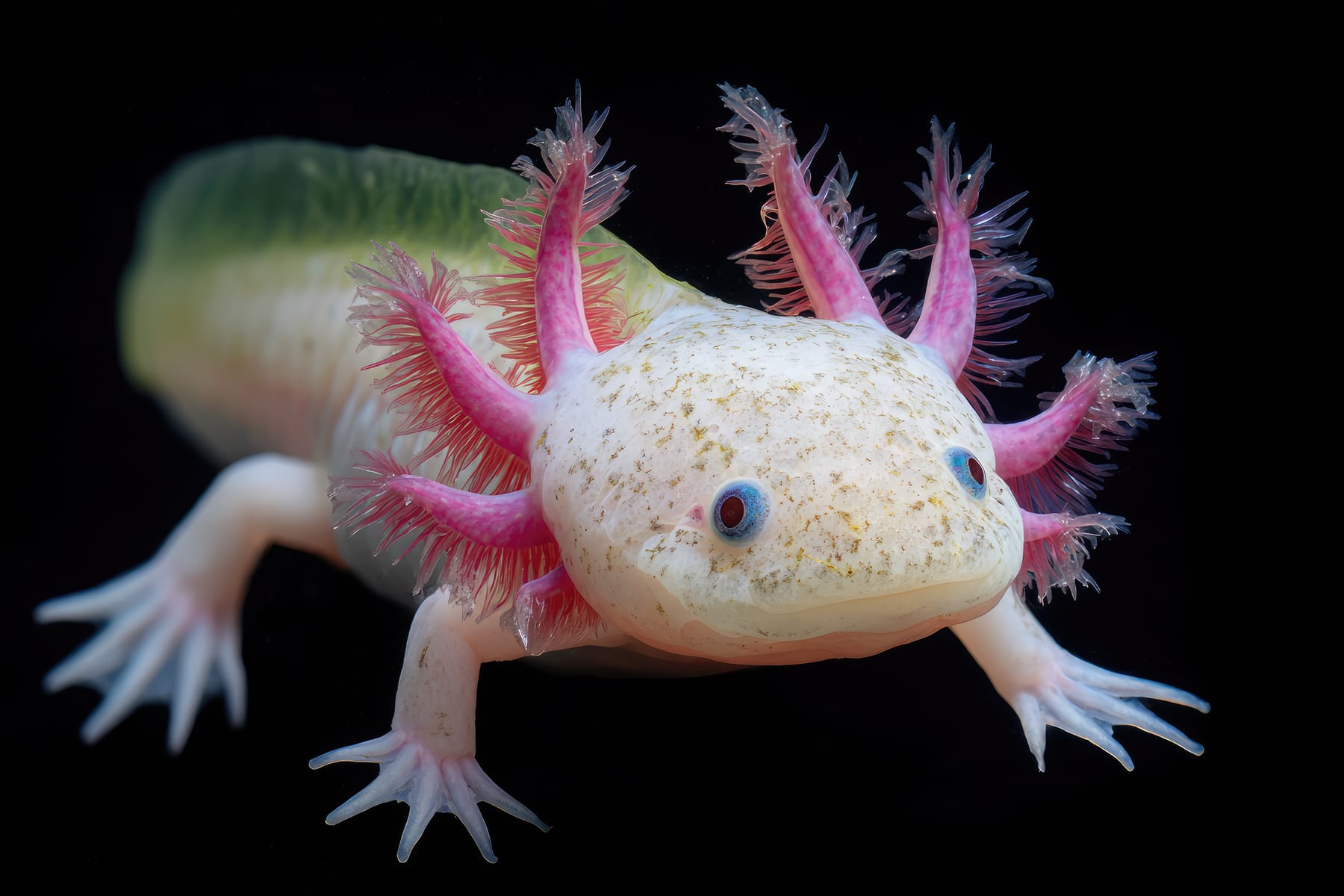
A salamander that never grows up, a whale with a tooth through its lip, and a fish that was supposed to have died with the dinosaurs.
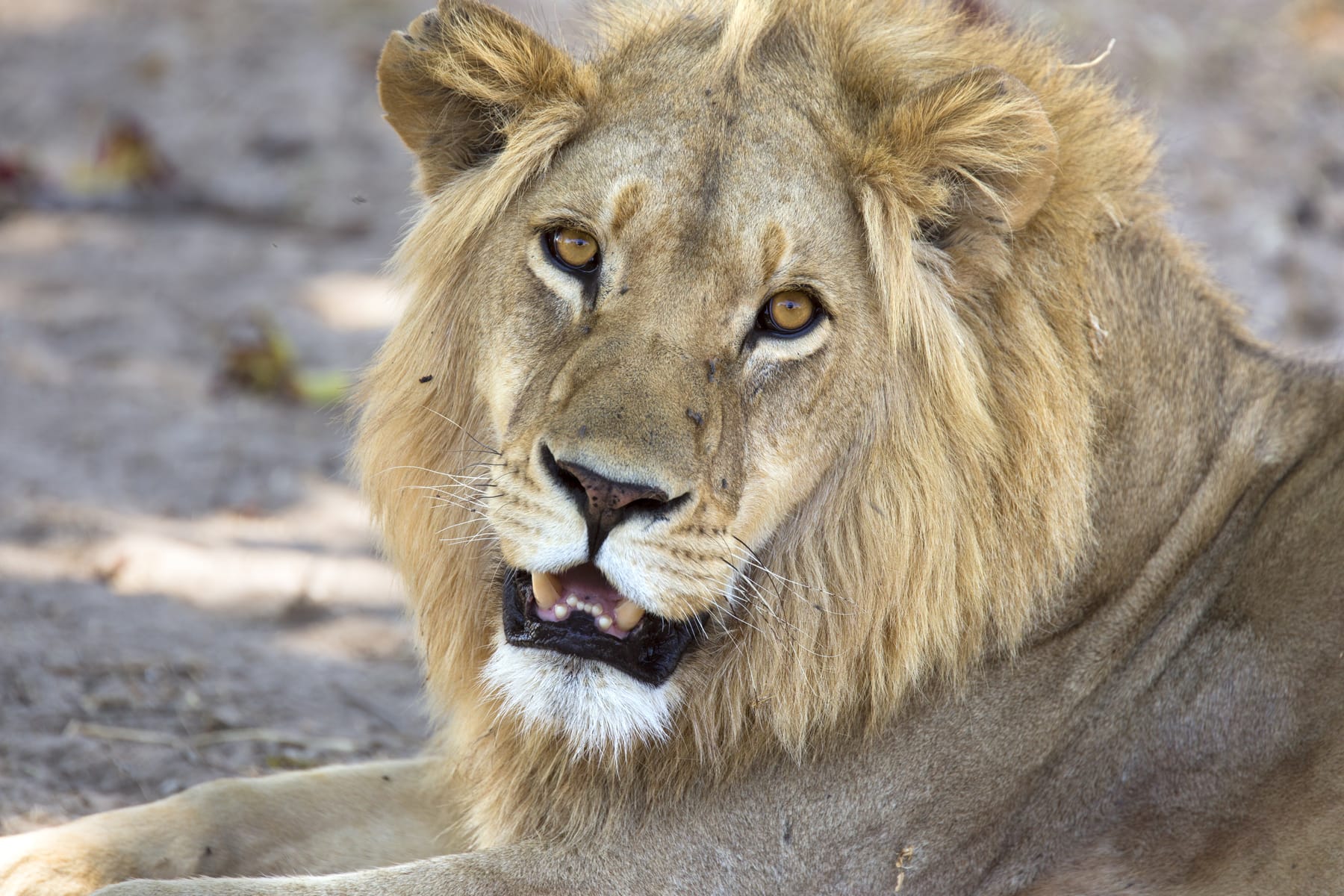
Only four cats can roar. The other seven on this list get called big cats anyway, and several are in worse shape than the famous four.
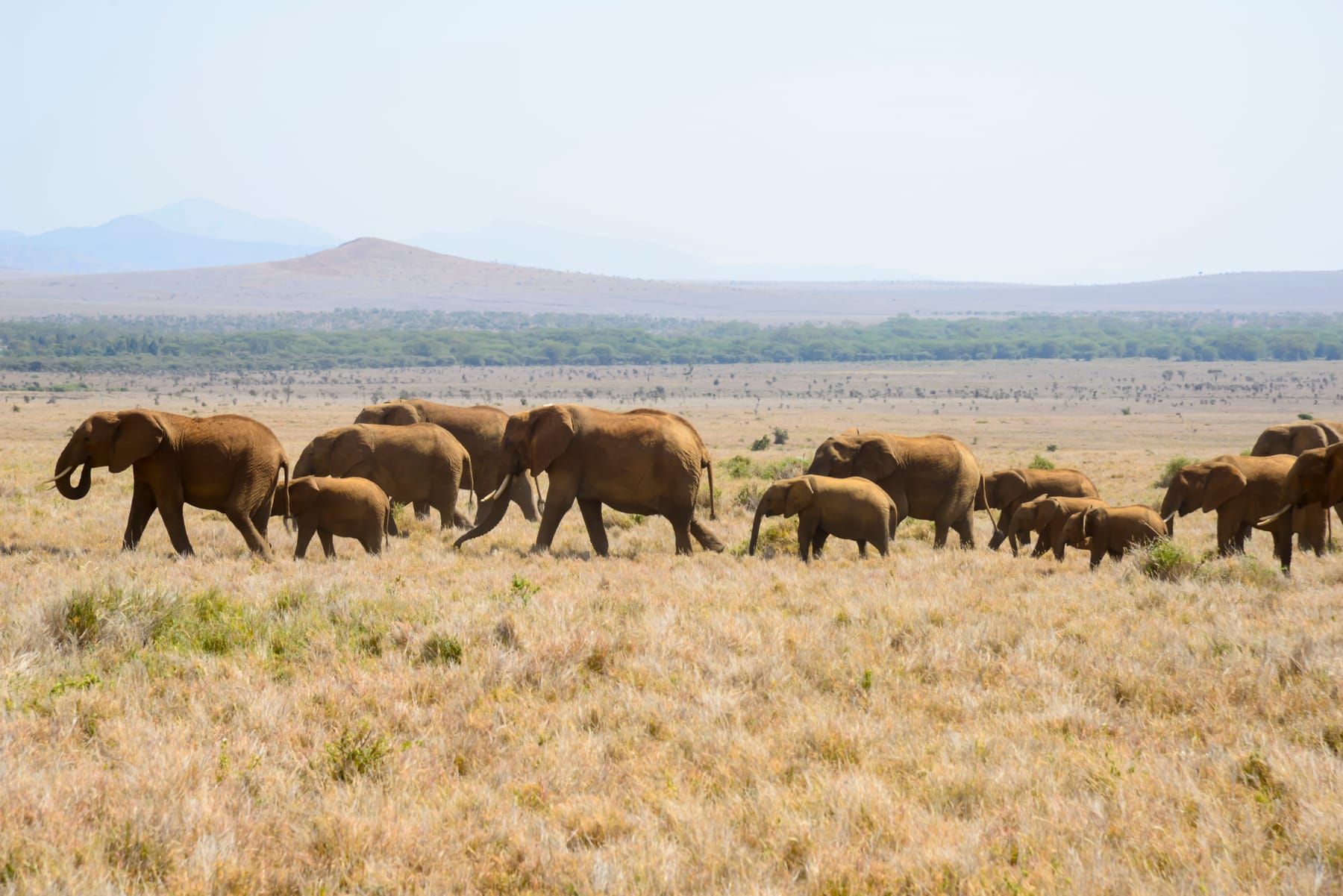
Ears, trunk tip, and back shape separate them. There are three species, not two, and all three are threatened.
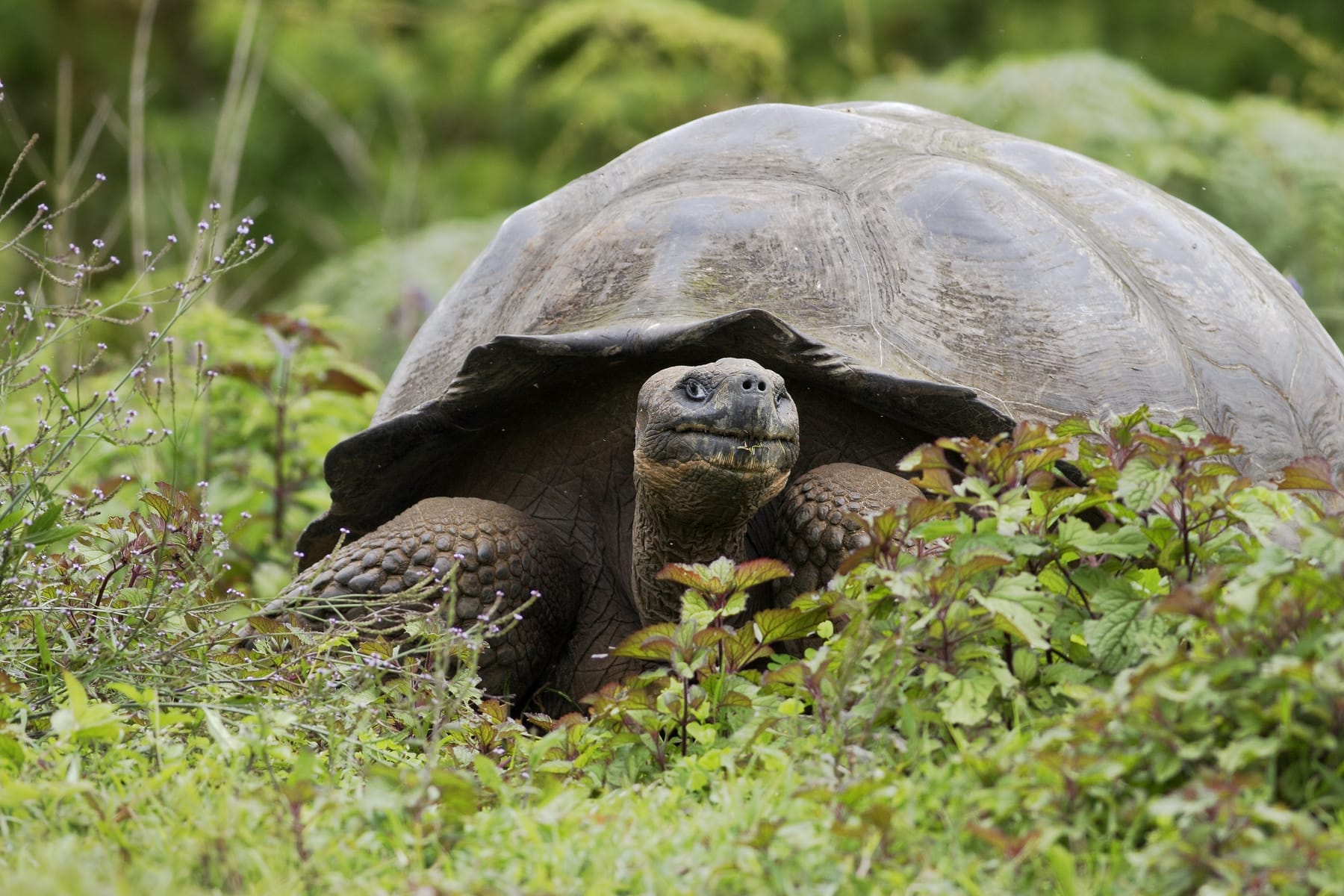
Feet and shell shape settle it. One is built for swimming, the other for walking, and the conservation picture differs just as sharply.
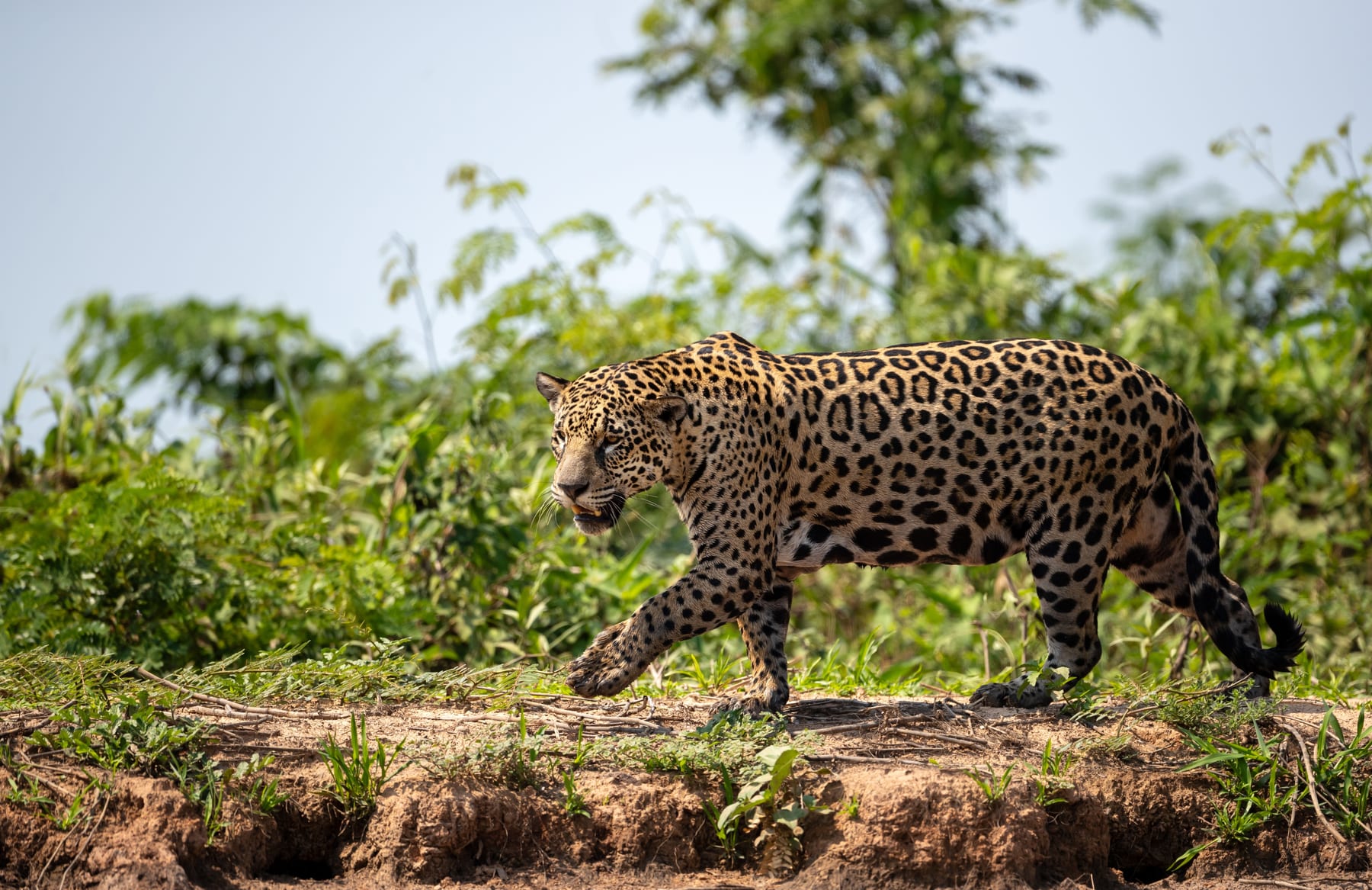
The rosettes are the giveaway: a jaguar's have spots inside them. Beyond that, two cats separated by an ocean and a hunting style.
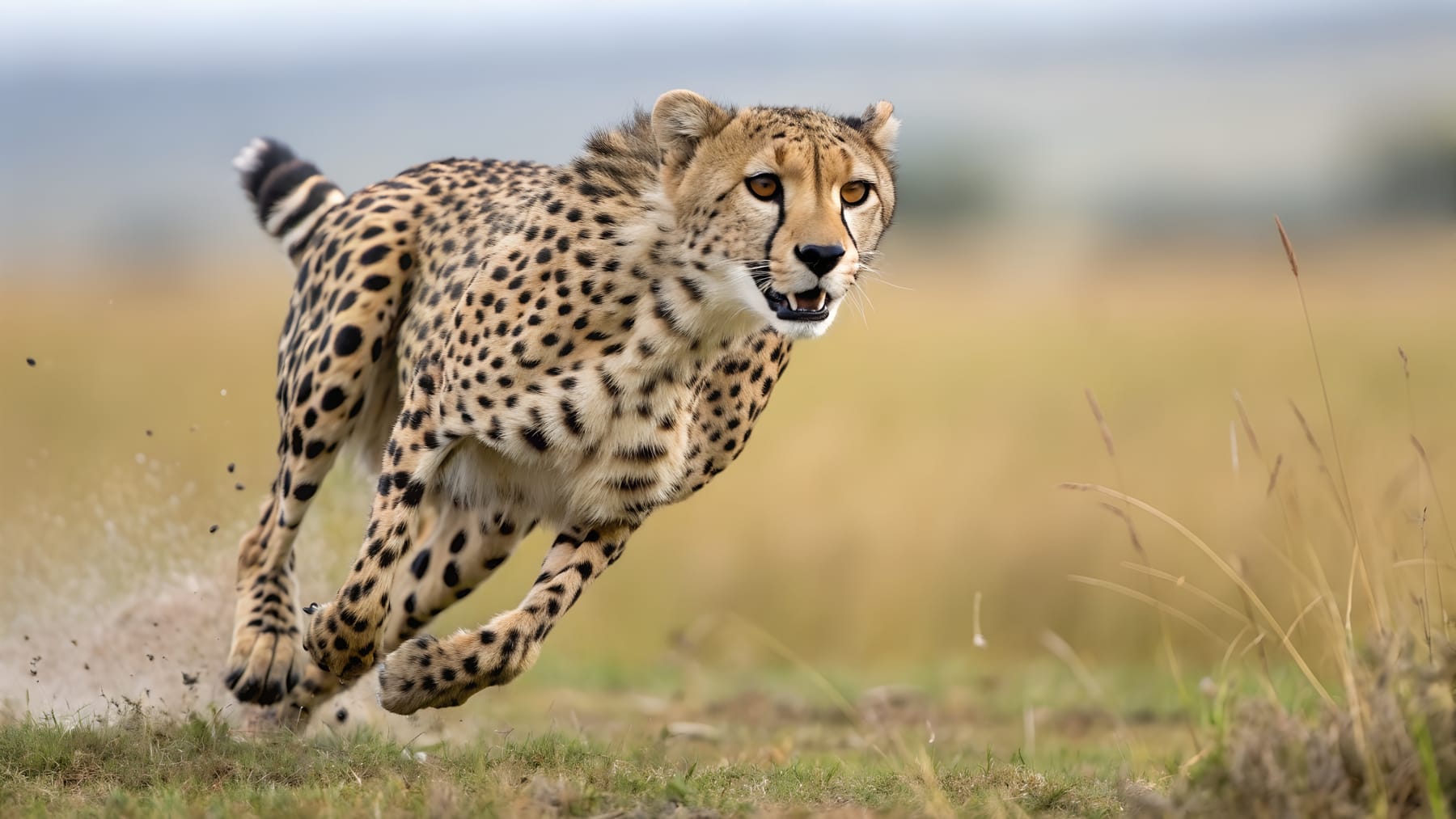
Spots versus rosettes, tear marks, and two completely different hunting strategies. Both are Vulnerable, for different reasons.
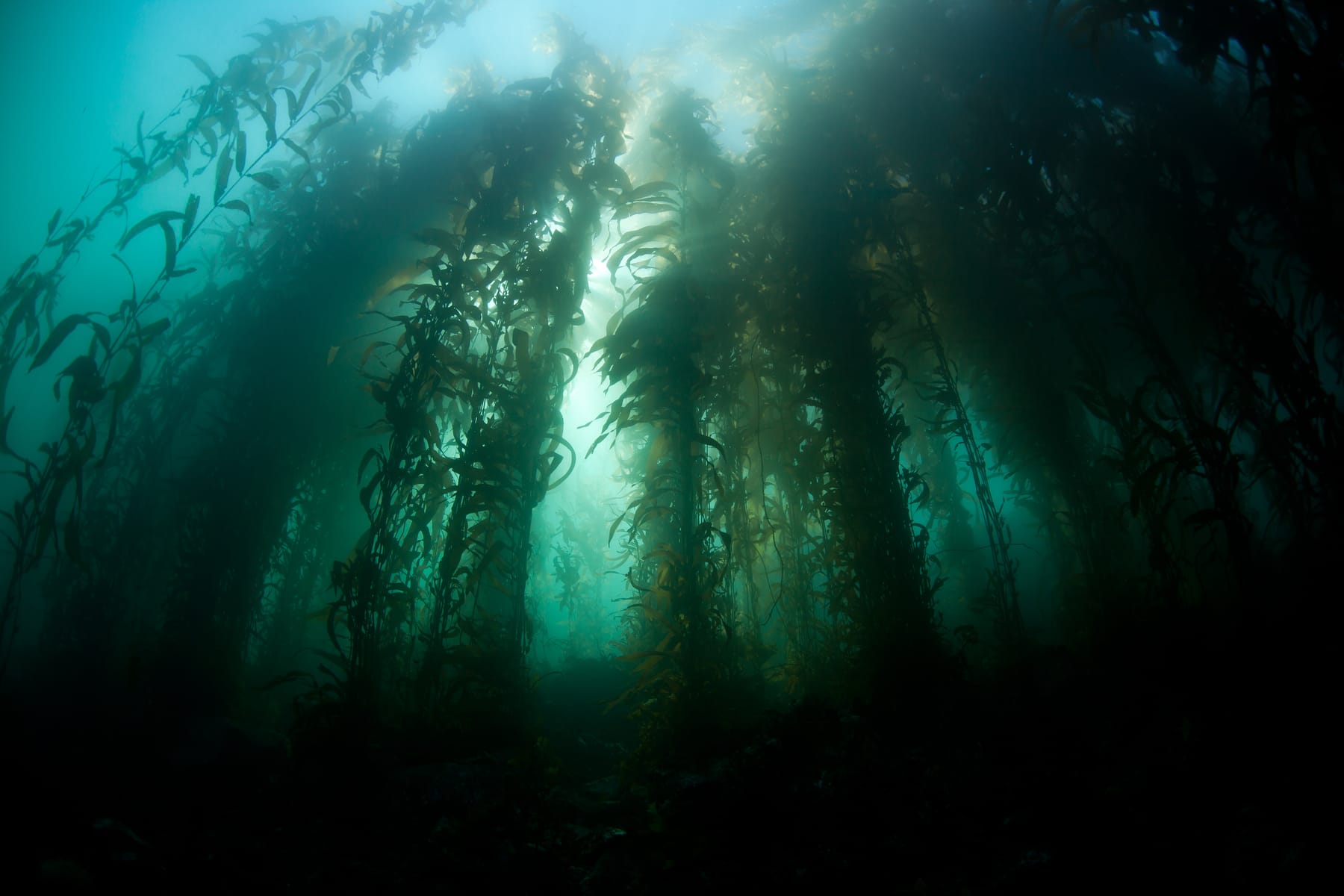
The ocean is 99% of the planet's living space. Here are 26 sea animals, what each one does that nothing else does, and which are closest to disappearing.
Rainforests cover under 2% of the Earth's surface and hold about half its land species. Here are 22 of them, by forest, and what each one does that nothing else does.
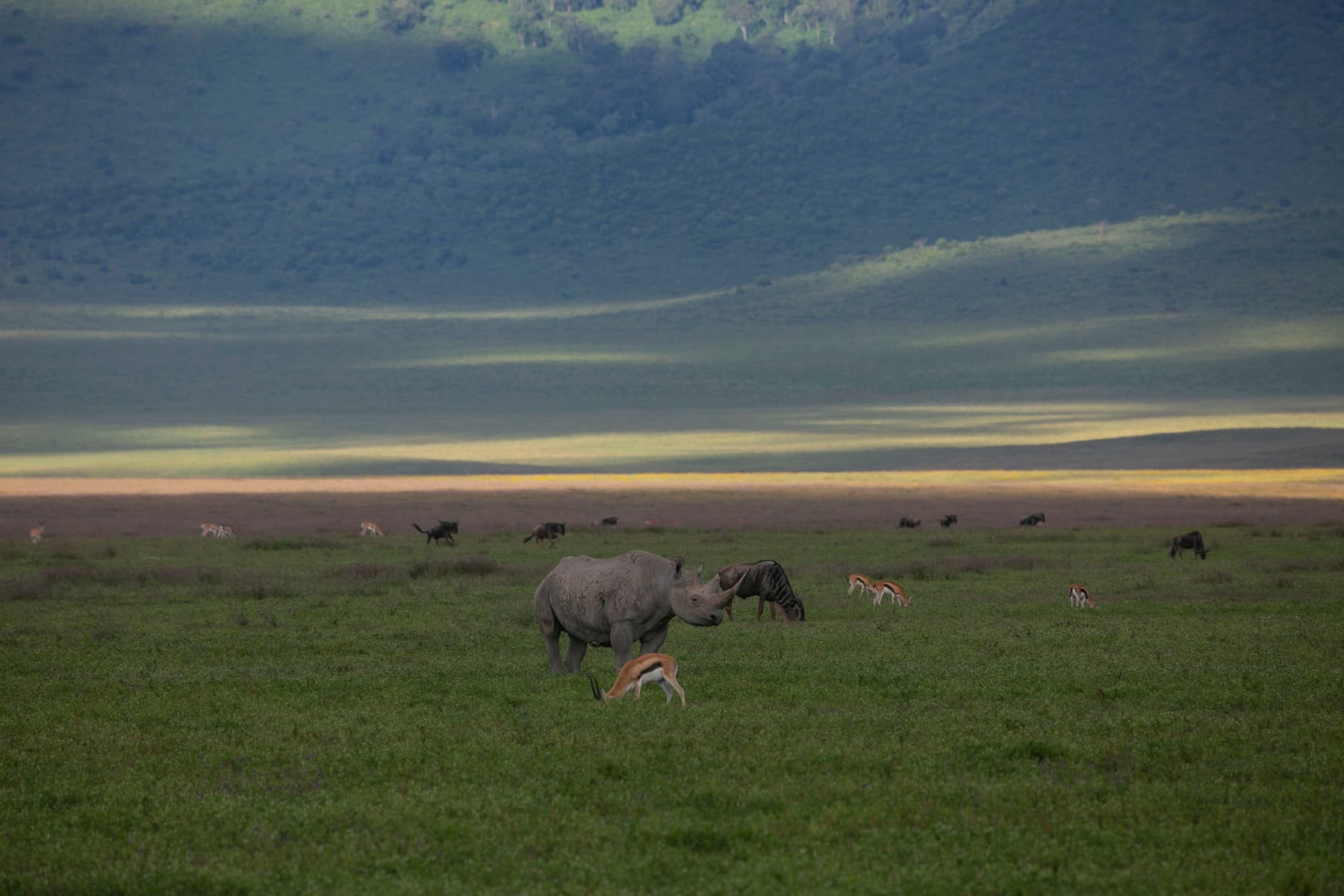
The goal is not saving individual animals, and it is not freezing nature in place. It is keeping populations large enough and connected enough to keep adapting.
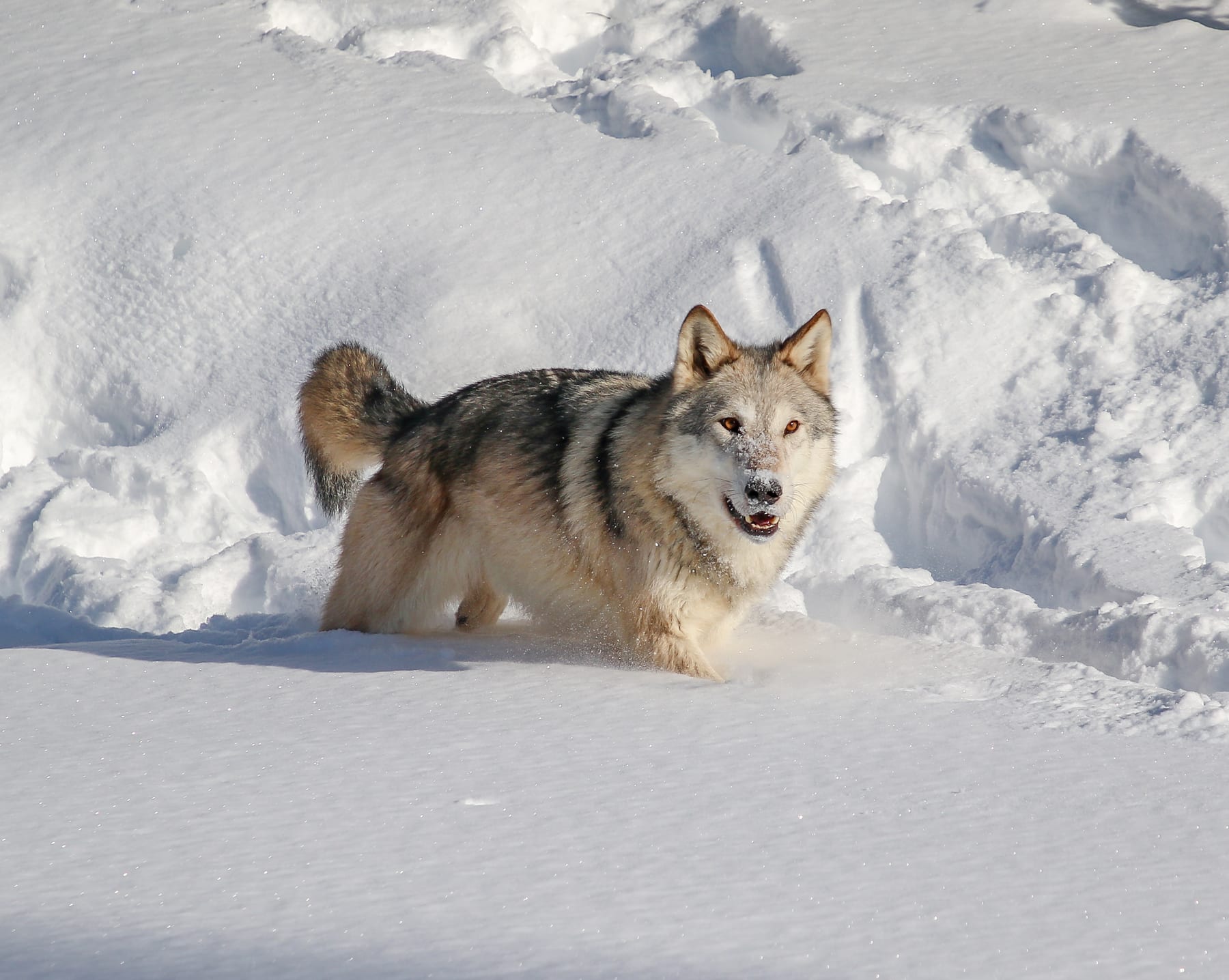
Five species are in active de-extinction programs. What has actually been produced so far is narrower than the headlines suggest, and the distinction matters.
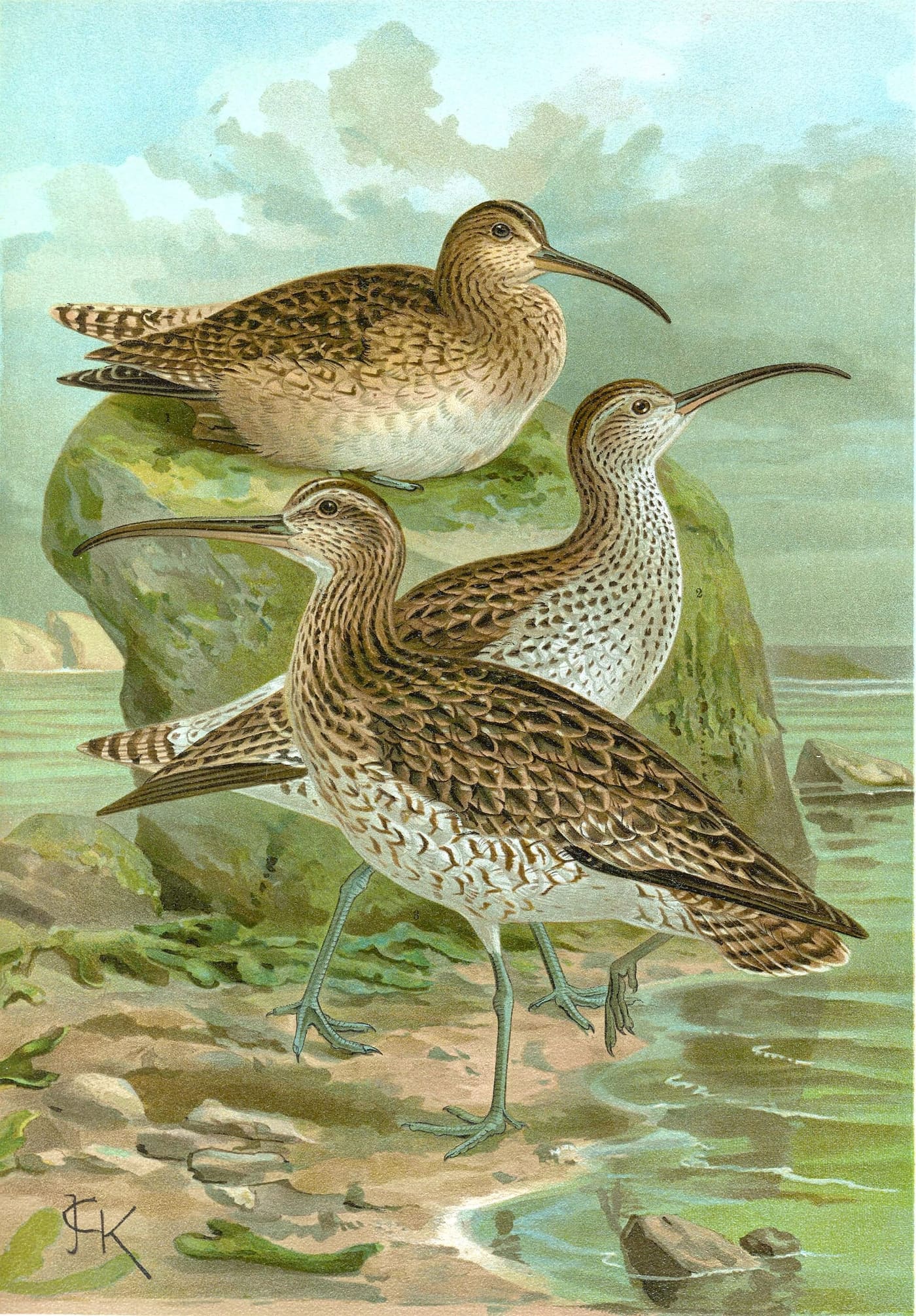
Six animals and two plants moved into the Extinct category in 2025. Most of them had been gone for decades before anyone made it official.
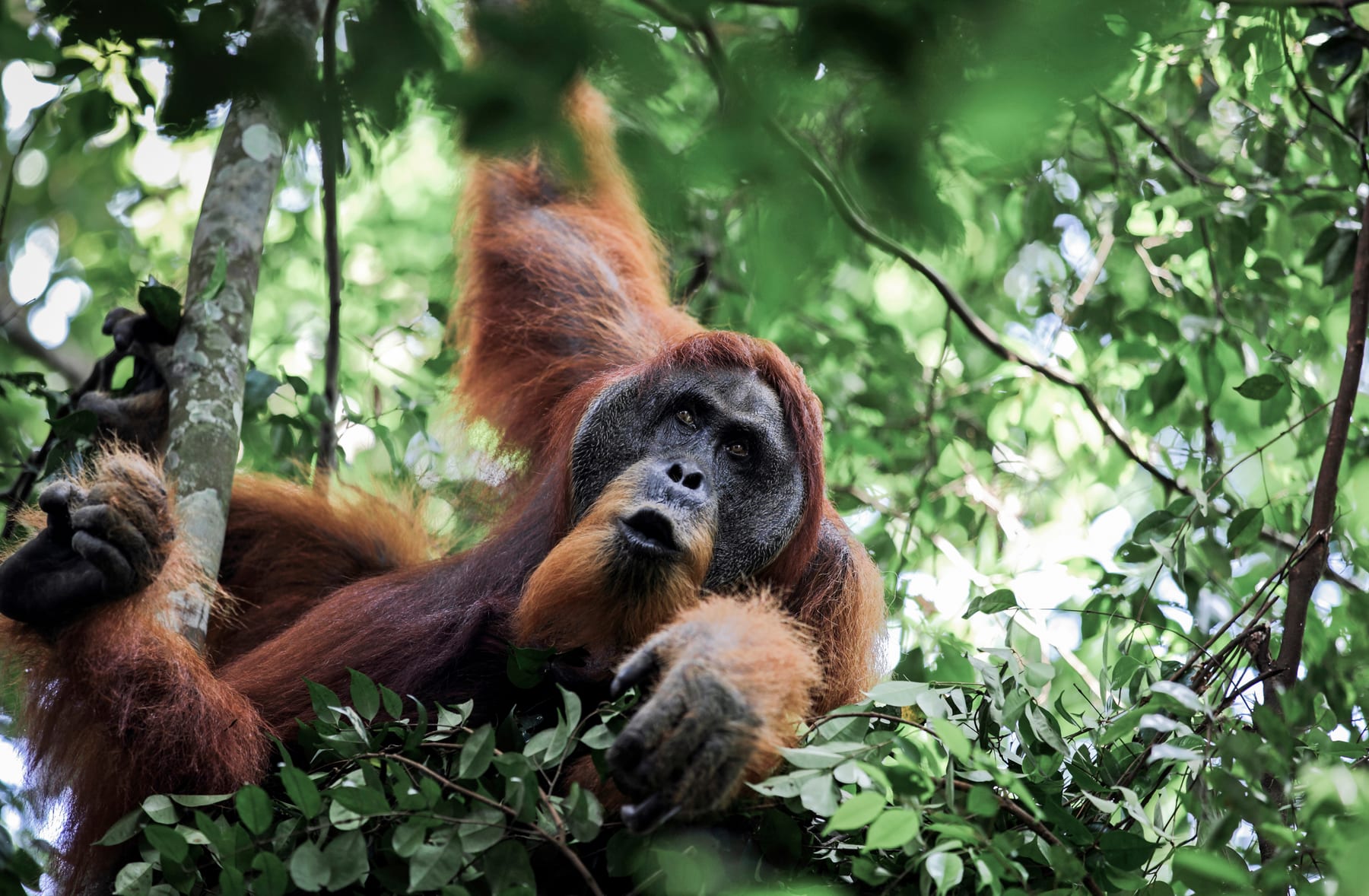
Ten species closest to disappearing, what each one does that nothing else does, and the organizations working on them right now.
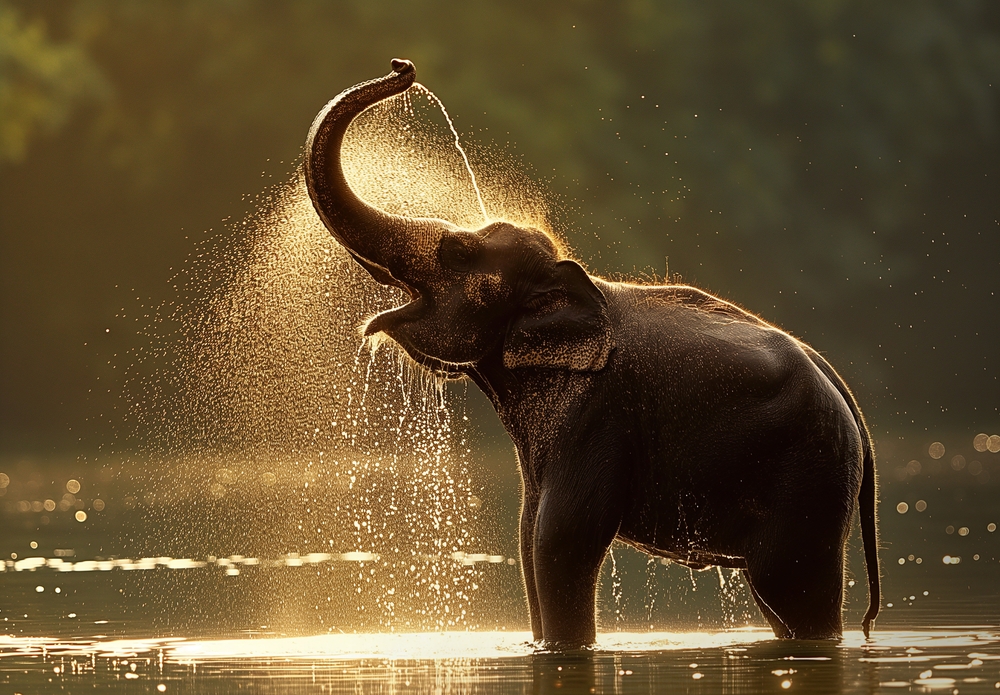
Elephants are awe-inspiring mammals and the largest land animals on Earth, weighing up to an incredible 12,000 pounds (5,443 kg). These giants belong to the Elephantidae family and are divided into th