
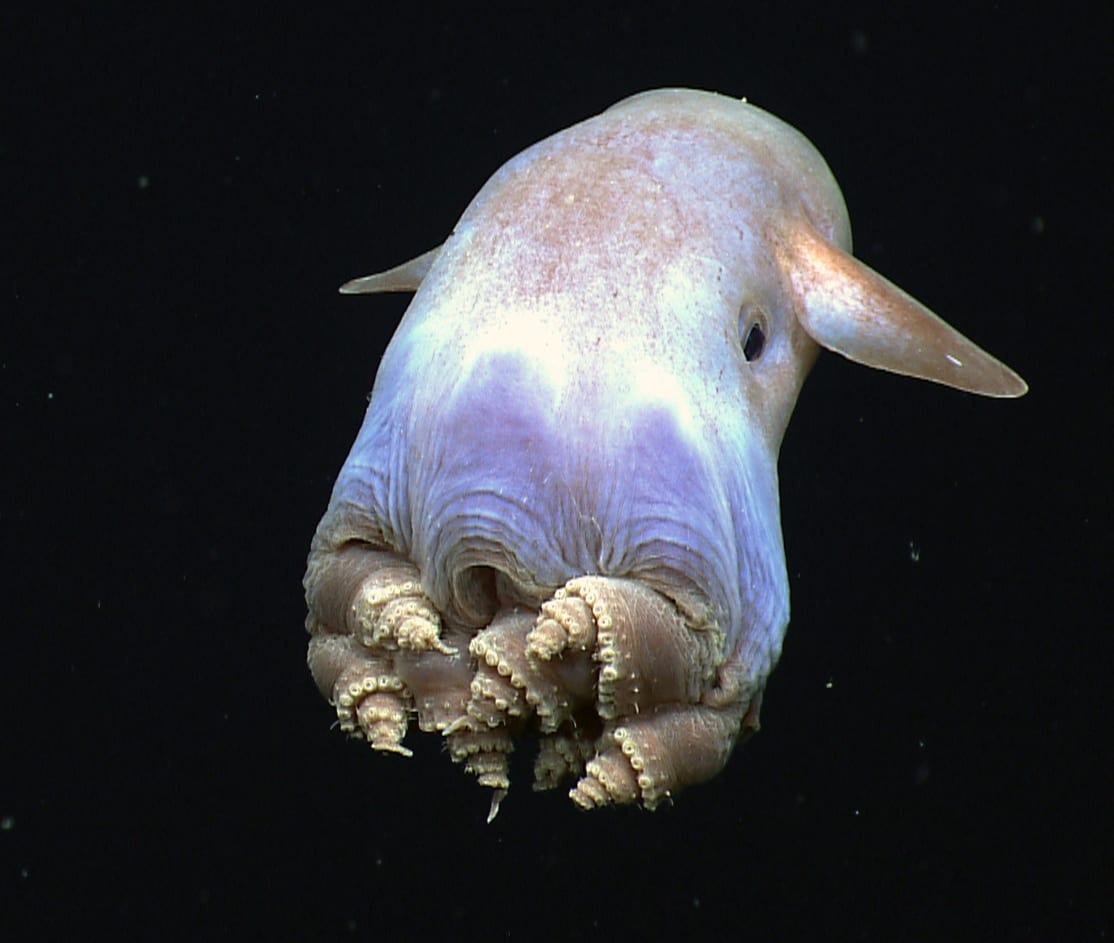
The deep sea creatures we have barely started to meet
Below 200 meters there is no sunlight, no plants, and enormous pressure. It is the largest living space on Earth and we have seen almost none of it.
11 stories in this category.
Below 200 meters there is no sunlight, no plants, and enormous pressure. It is the largest living space on Earth and we have seen almost none of it.
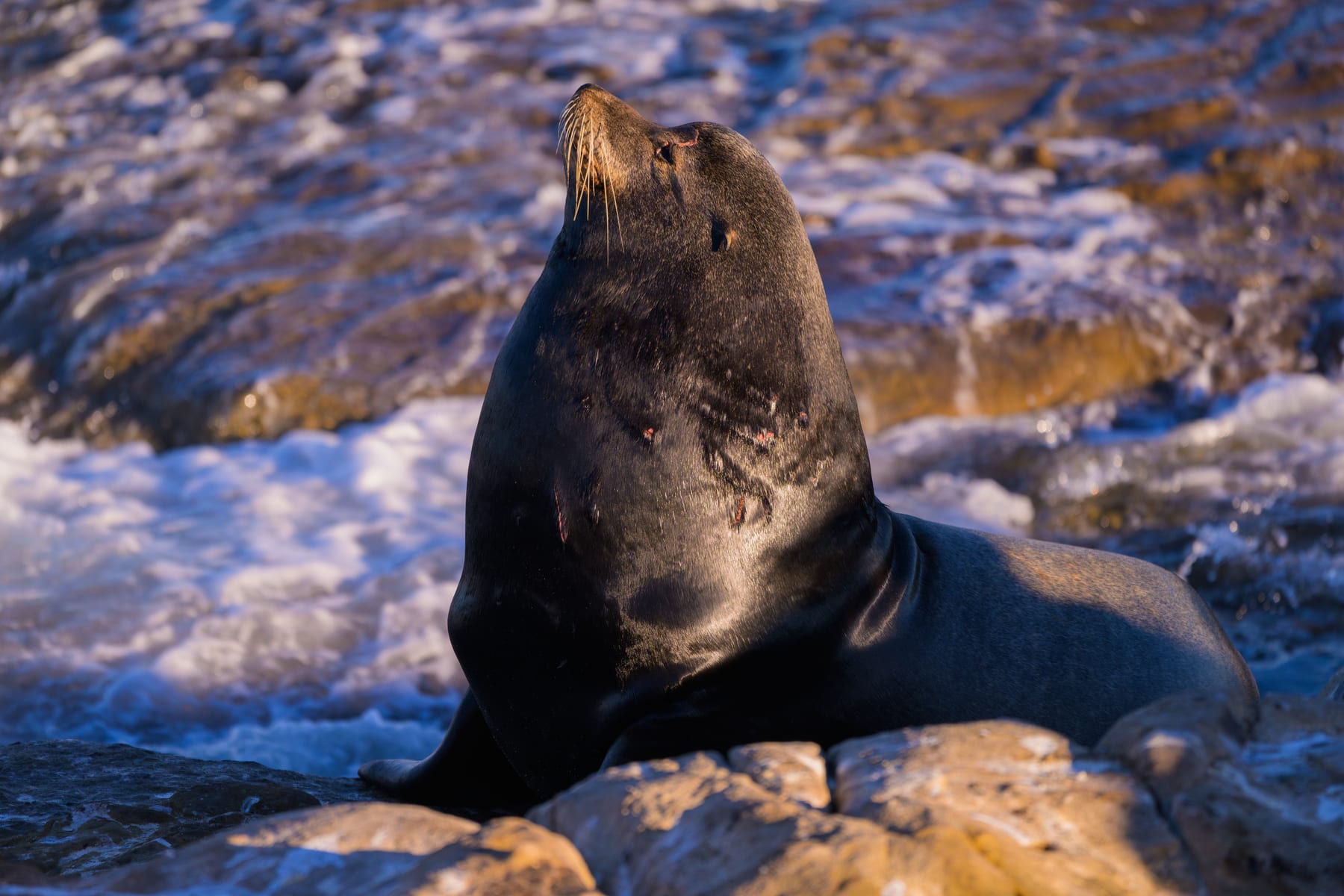
One has visible ear flaps and can walk on land. The other has a hole where the ear should be and moves like a caterpillar. Everything else follows from that.
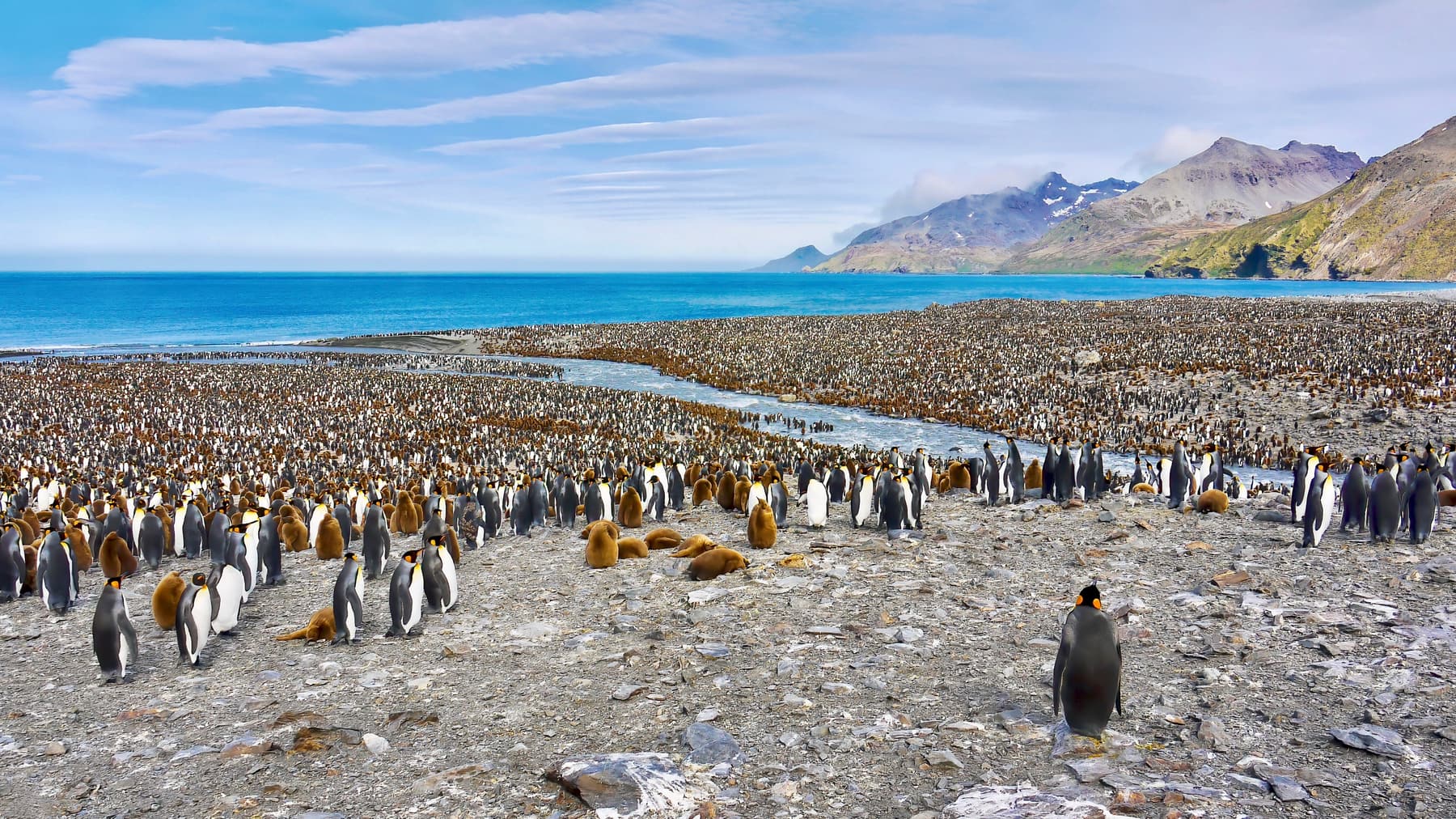
There are 18 penguin species and most live in temperate or even tropical water. One breeds on the equator. The Antarctic image covers two of them.
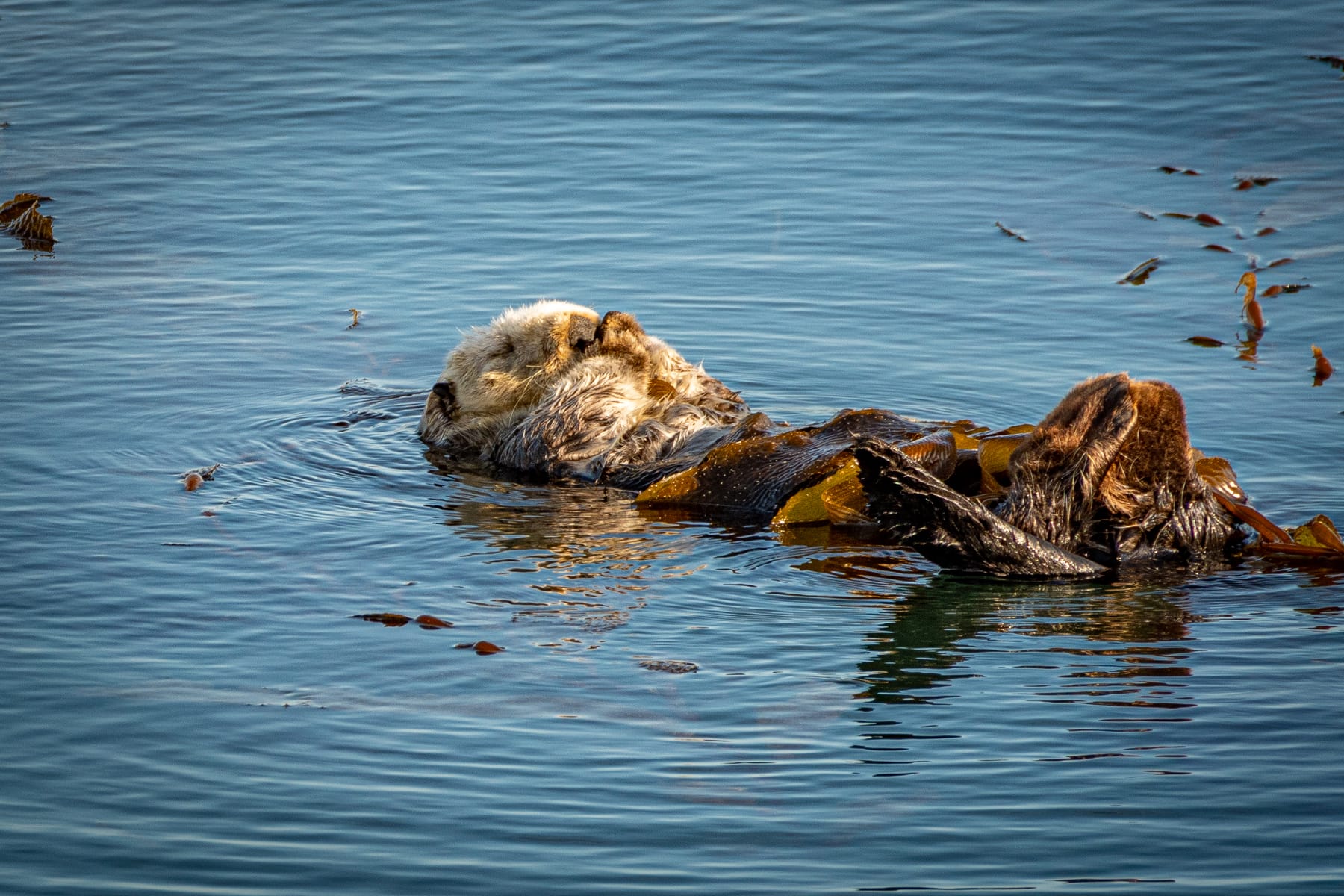
Cuteness is a measurable set of features, and it decides which species get funded. That is good news for about a dozen animals and bad news for everything else.
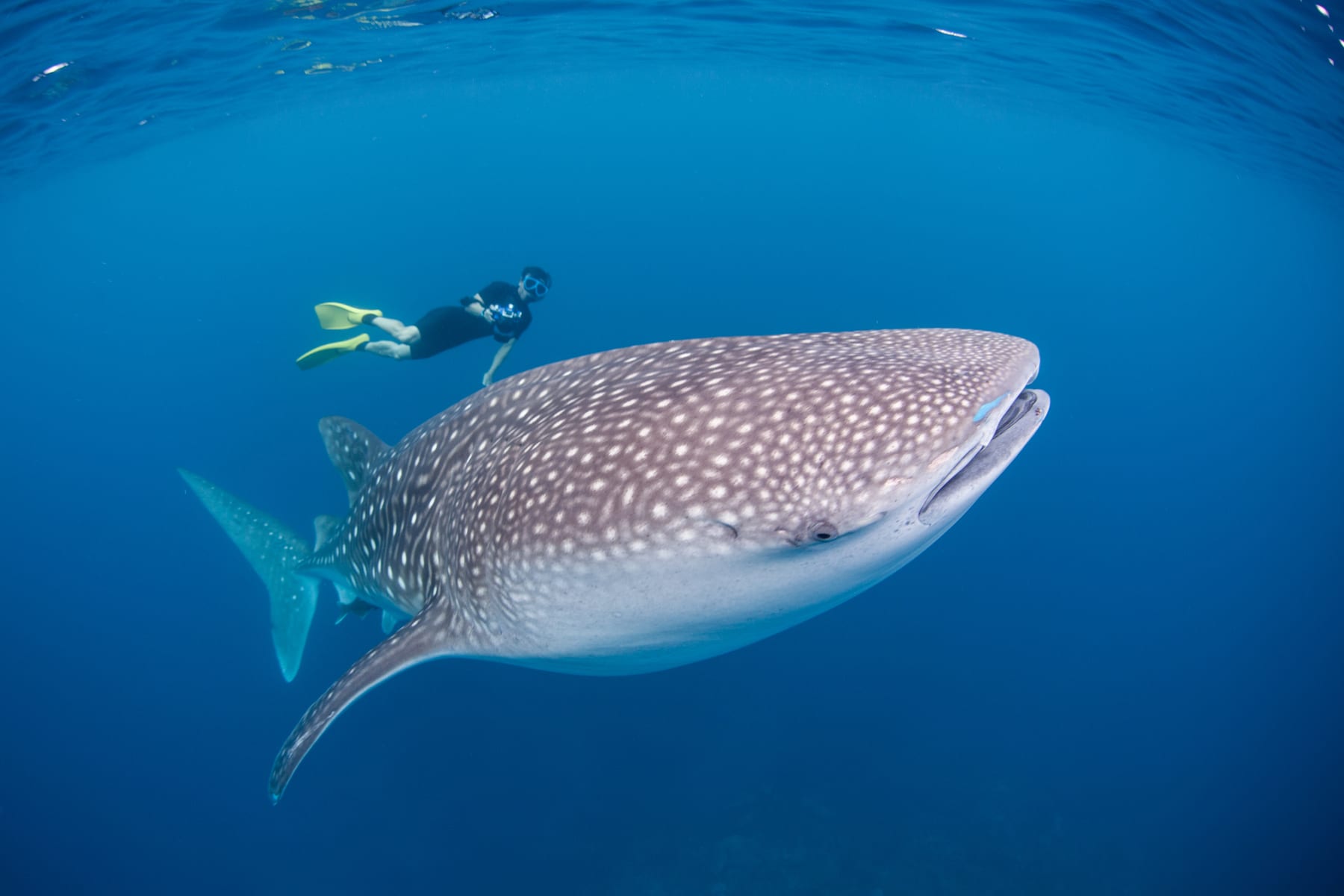
There are over 500 shark species and most of them are nothing like the one in the film. The largest eats plankton and the smallest fits in a hand.
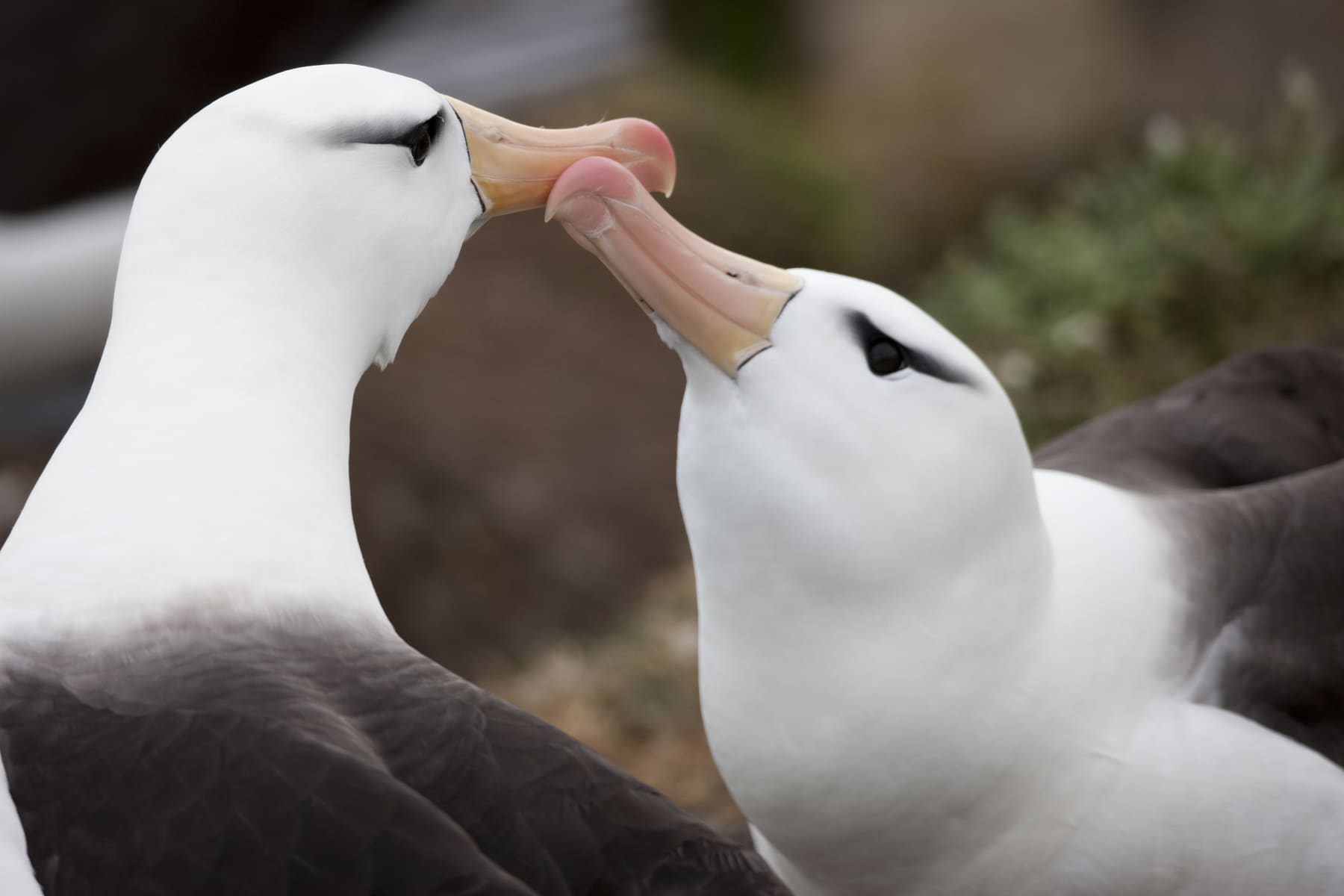
Lifelong pairing is rarer than the internet suggests, and DNA testing has complicated most of the famous examples. Here is what holds up.
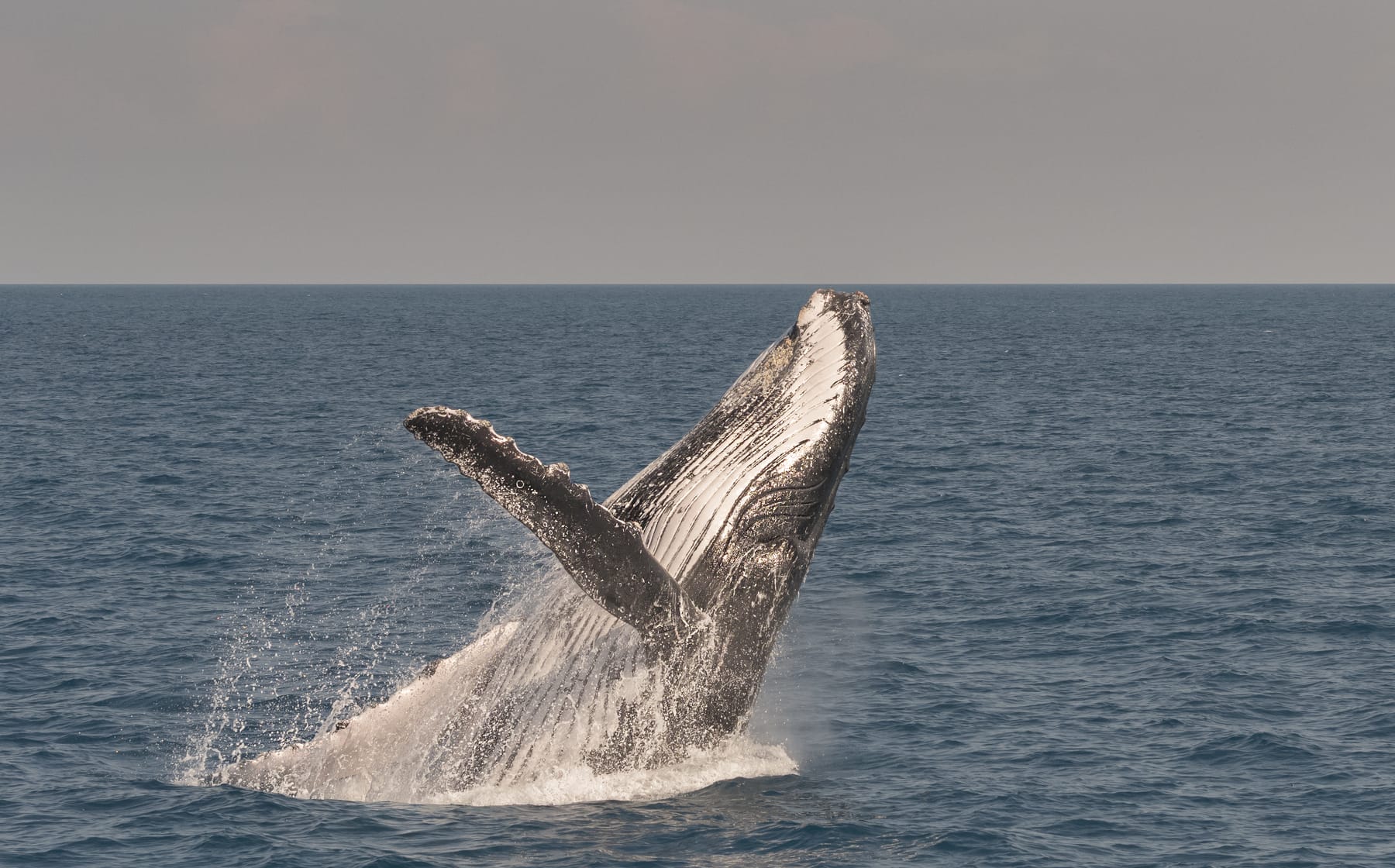
Every whale is either a filter feeder or a hunter with teeth. That split decides how they eat, how they hunt, and which are in the most trouble.
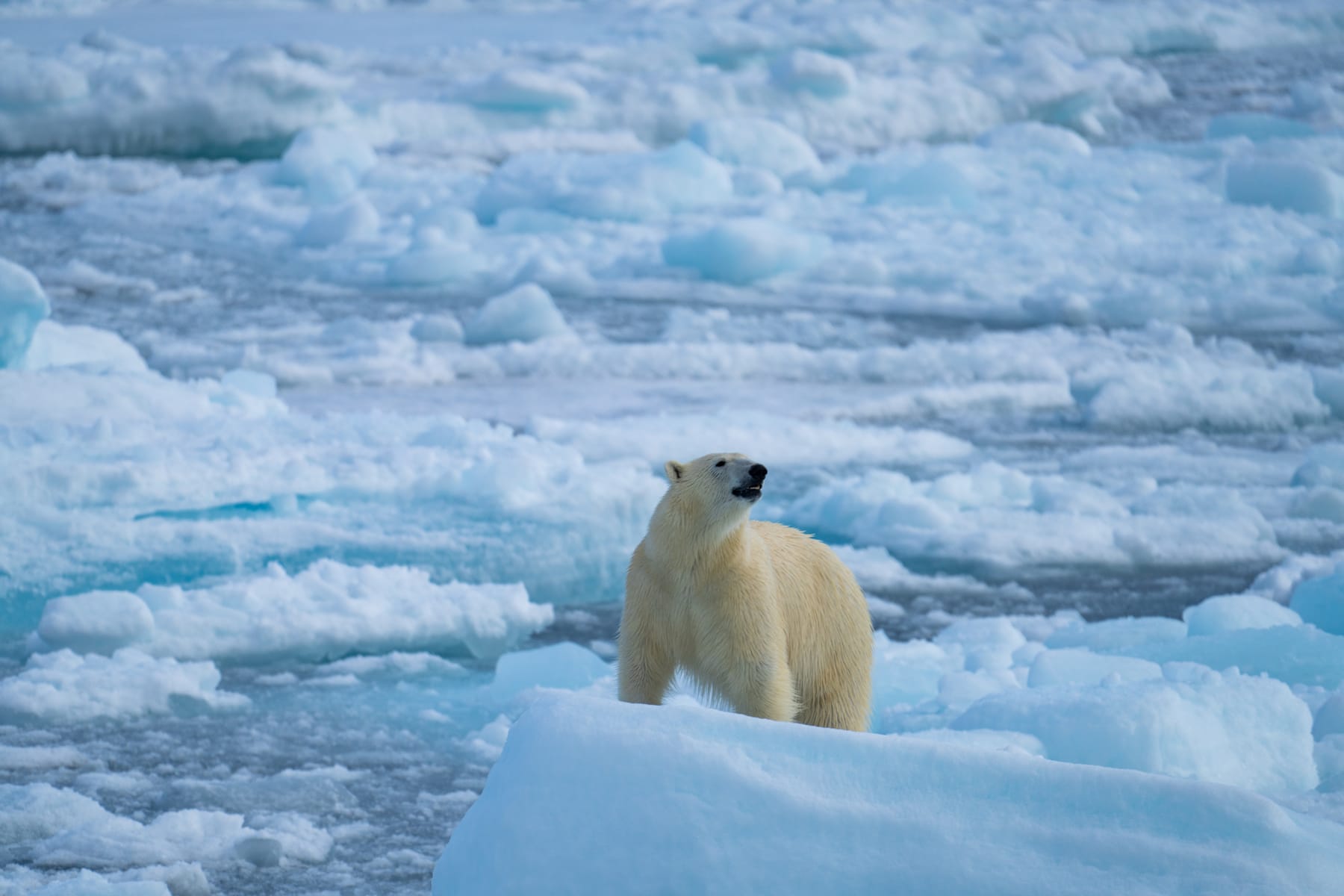
Every Arctic animal solves the same two problems: staying warm and finding food on a platform that is disappearing for longer each year.
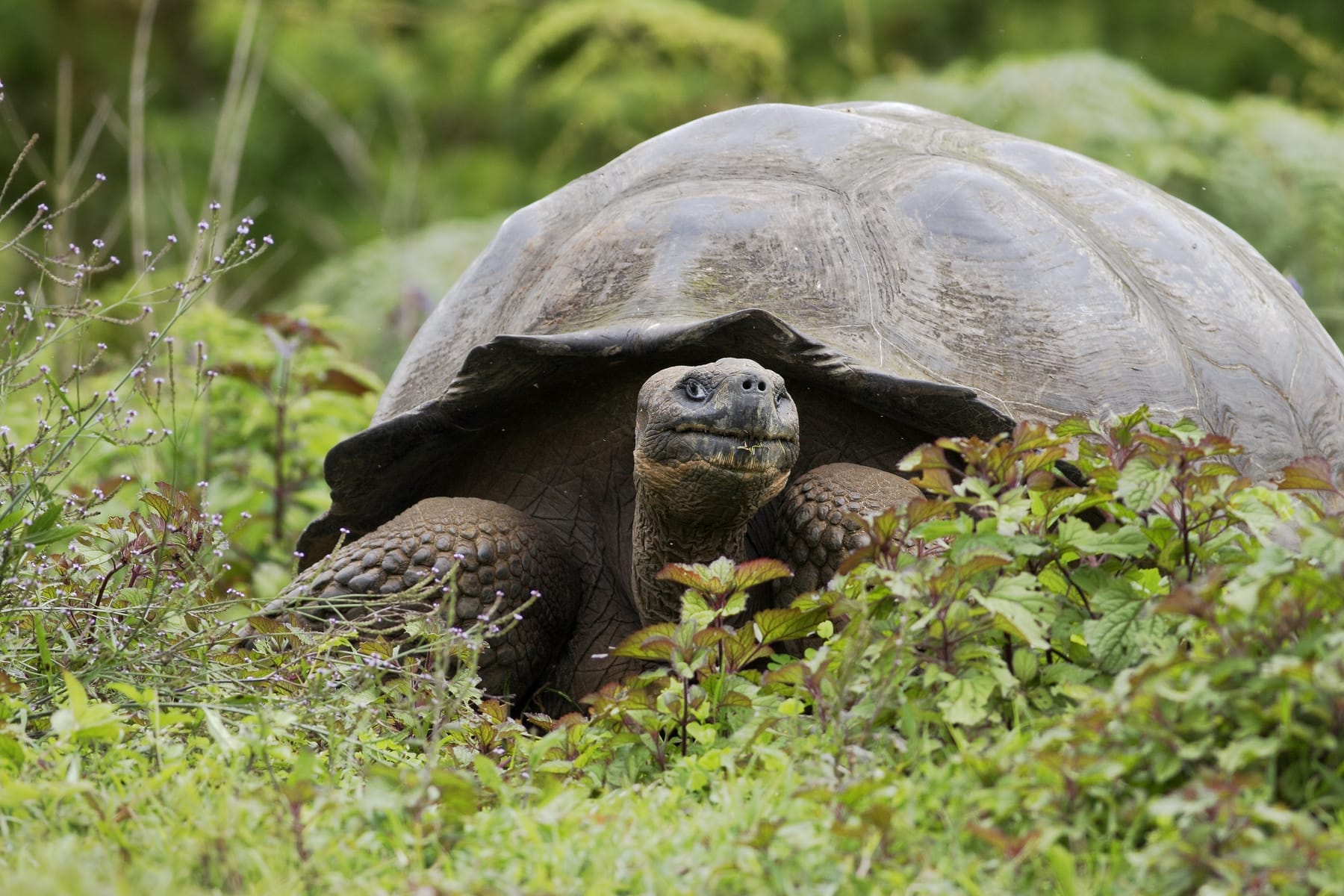
Feet and shell shape settle it. One is built for swimming, the other for walking, and the conservation picture differs just as sharply.
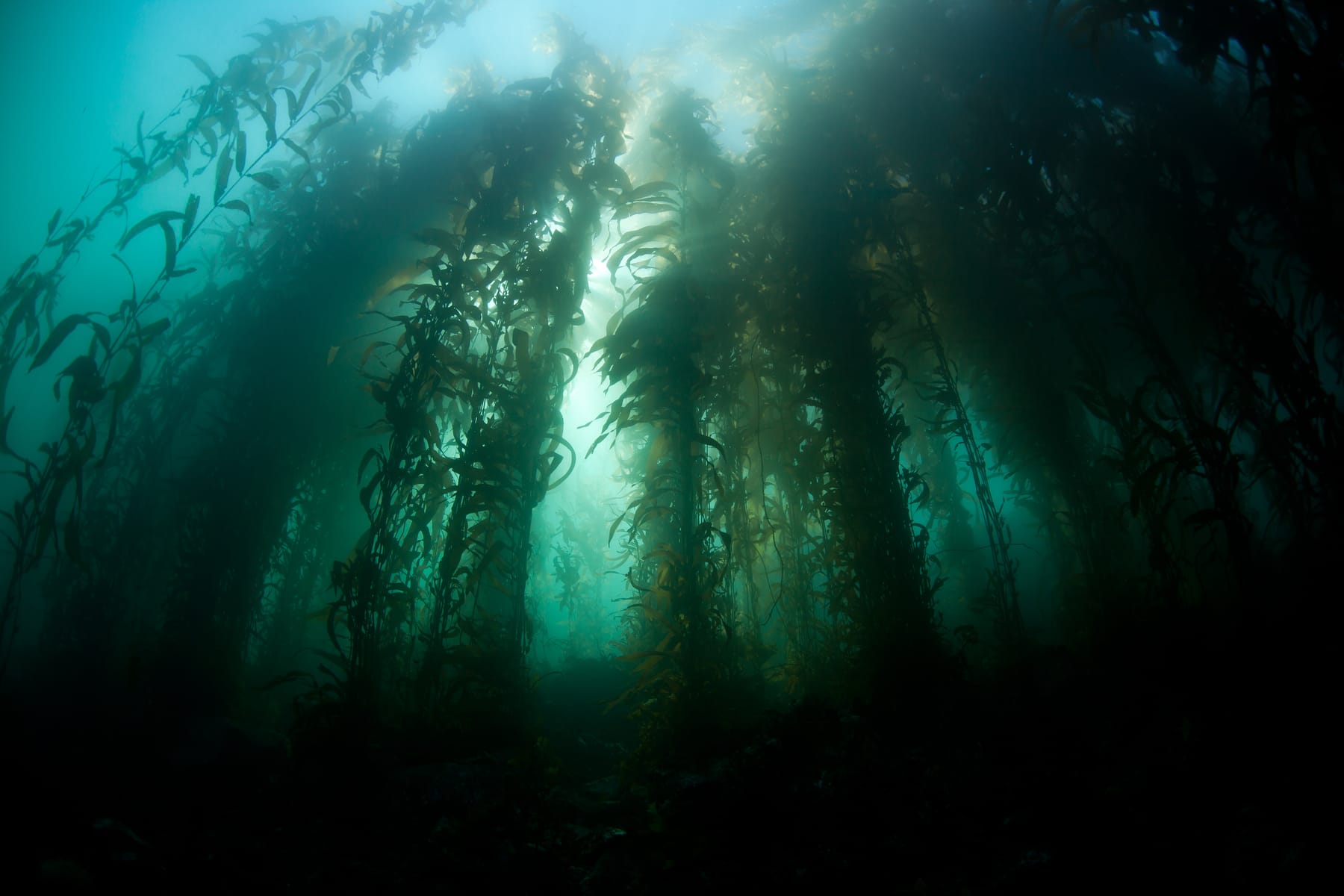
The ocean is 99% of the planet's living space. Here are 26 sea animals, what each one does that nothing else does, and which are closest to disappearing.
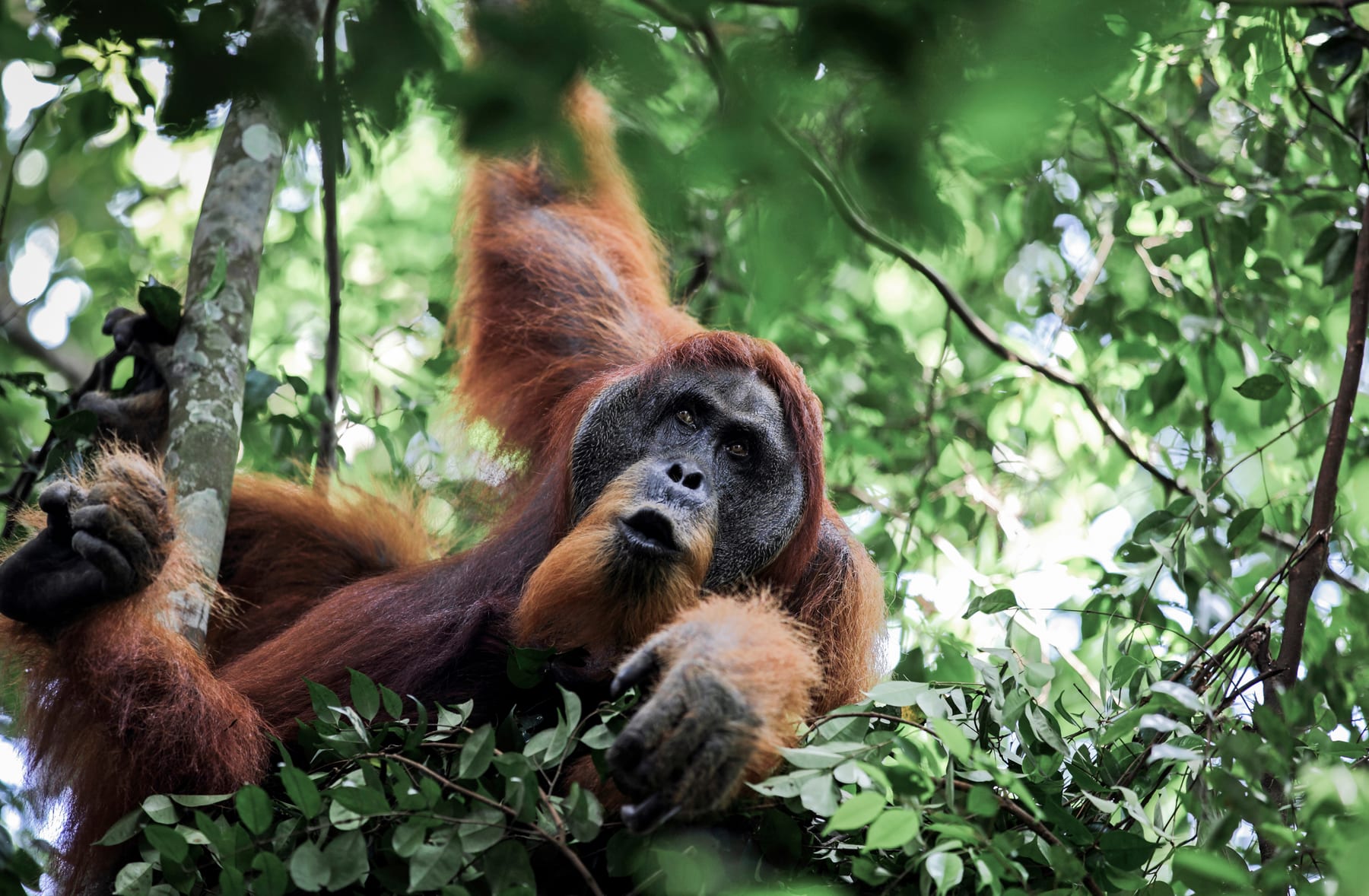
Ten species closest to disappearing, what each one does that nothing else does, and the organizations working on them right now.