Only one of the 500 types of sharks is famous, and it is not the biggest
There are more than 500 types of sharks, and the mental image almost everyone carries is of one of them. The rest range from a filter feeder the length of a bus to a species that glows in the dark and fits in a cupped hand.
Sharks have been around for roughly 450 million years, which predates trees. What follows is the shape of the group, then the species worth knowing, then the part that matters: about a third of them are now threatened, and it is not because anybody is afraid of them.
The filter feeders: the biggest sharks eat the smallest food
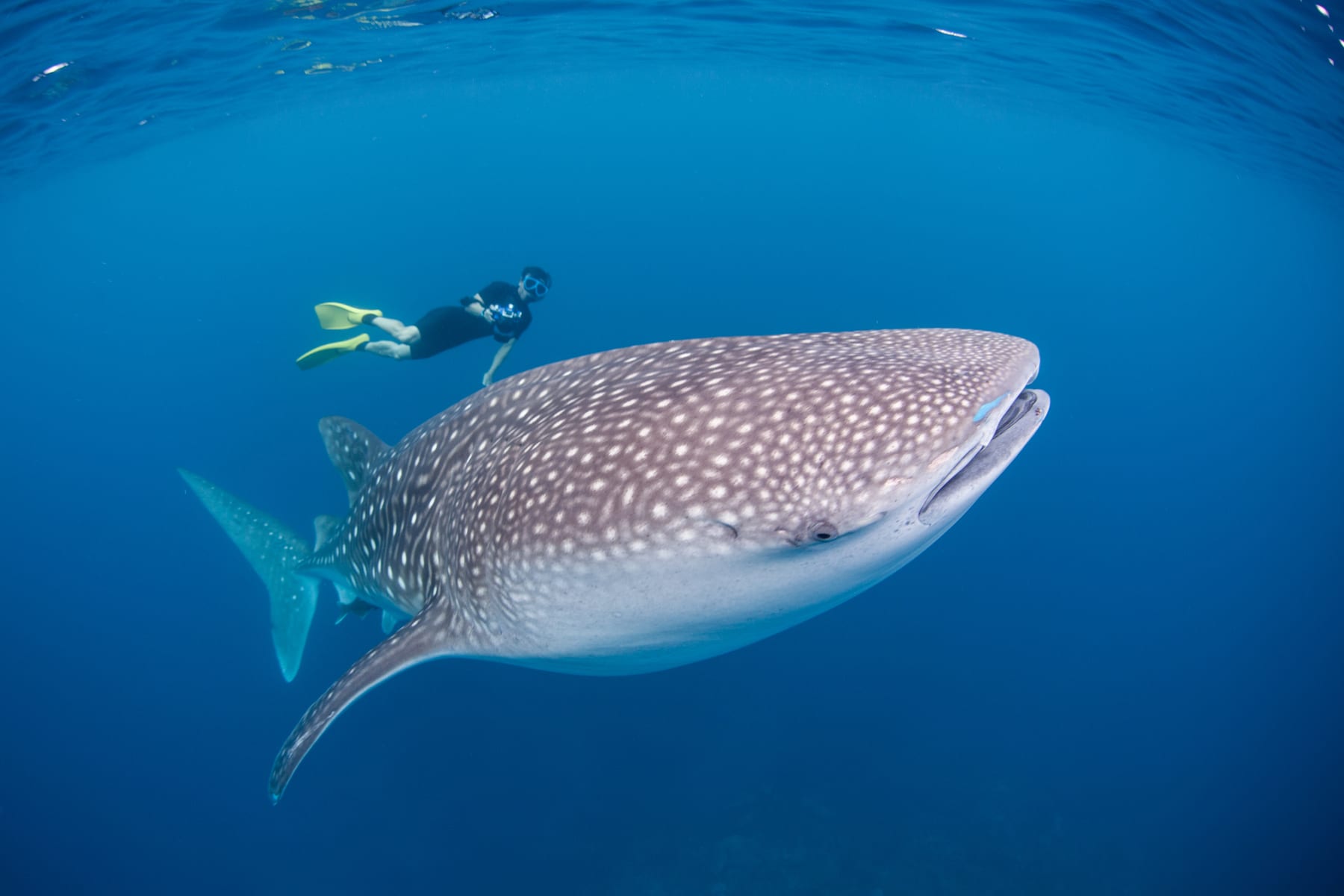
The whale shark is the largest fish alive, reaching around 18 meters, and it eats plankton, fish eggs, and small fish by filtering water through pads behind its gills. It is Endangered, and its problems are boat strikes, fishing gear, and the fin trade rather than anything it does to anybody.
Each whale shark carries a unique pattern of spots behind its gills, which researchers photograph and match the way fingerprints are matched. That single fact is why we know anything about their movements at all.
That the largest species eats the smallest food is not a shark oddity. The largest whales arrived at exactly the same answer.
The basking shark is the second largest and works the same way in cold water, swimming with its mouth open across the North Atlantic. The megamouth shark is the third filter feeder and was not discovered until 1976, which is a useful measure of how much of the ocean nobody has looked at.
The types of sharks that hunt
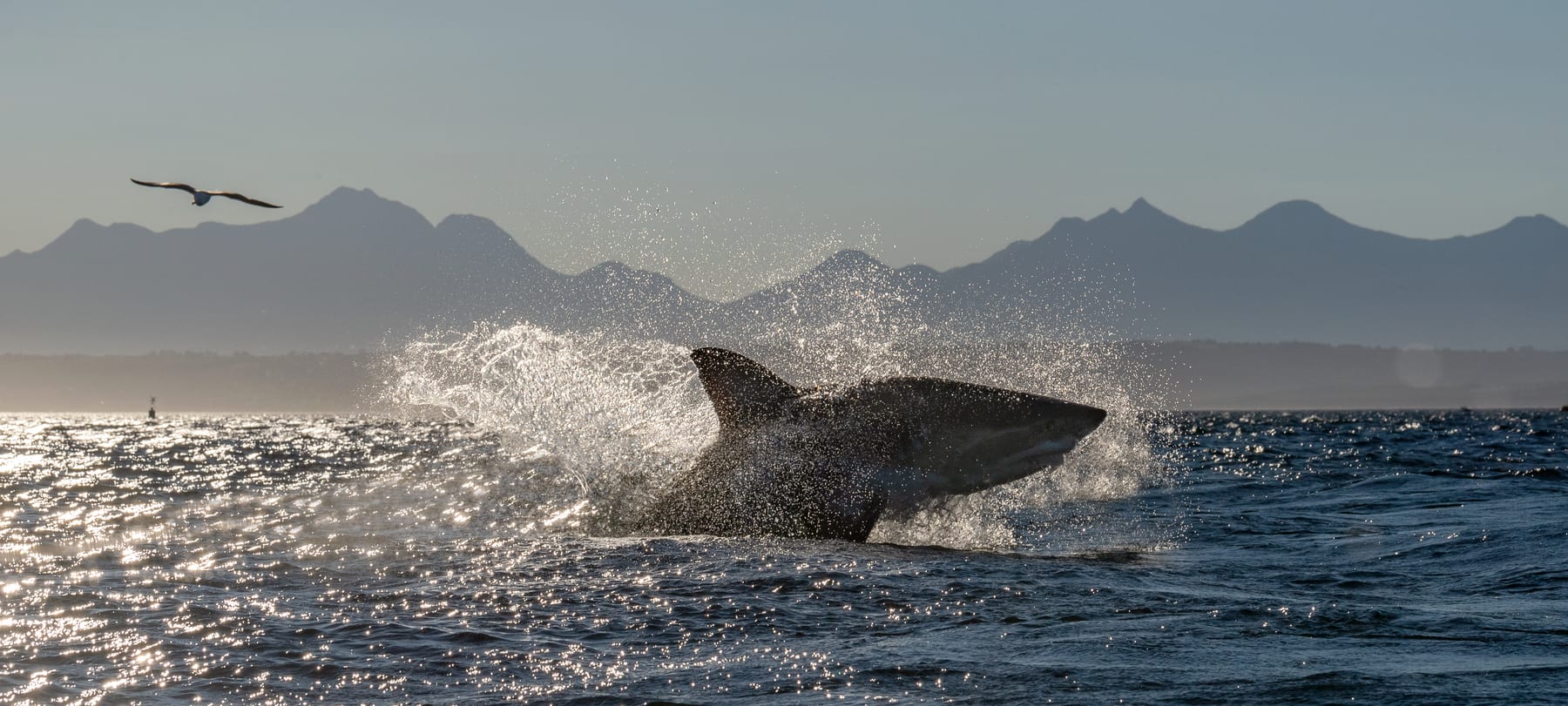
The great white shark is Vulnerable, reaches about six meters, and is warm bodied, holding its muscles above water temperature so it can hunt fast in cold seas. That is rare among fish and it is the reason a great white can accelerate hard enough to leave the water entirely while taking a seal from below.
The tiger shark eats a genuinely indiscriminate range, which is where the reputation comes from, and is the main predator of adult sea turtles including the green sea turtle. The bull shark is the one worth actually knowing about, because it tolerates fresh water and has been found more than 3,000 kilometers up the Amazon and in the Mississippi.
The shortfin mako is the fastest shark, clocked over 70 kilometers per hour, and is Endangered from overfishing on the high seas. It is also the clearest case of how slowly shark management moves: the North Atlantic population was assessed as overfished for years before a retention ban was finally agreed in 2021.
The Greenland shark belongs here too, though it hunts at a pace that makes the mako look absurd. It cruises Arctic water at around one kilometer per hour, matures at roughly 150 years old, and radiocarbon dating of eye lenses suggests individuals alive today were born before the United States existed. Nothing about its biology assumes it will ever need to recover quickly from anything.
The hammerheads
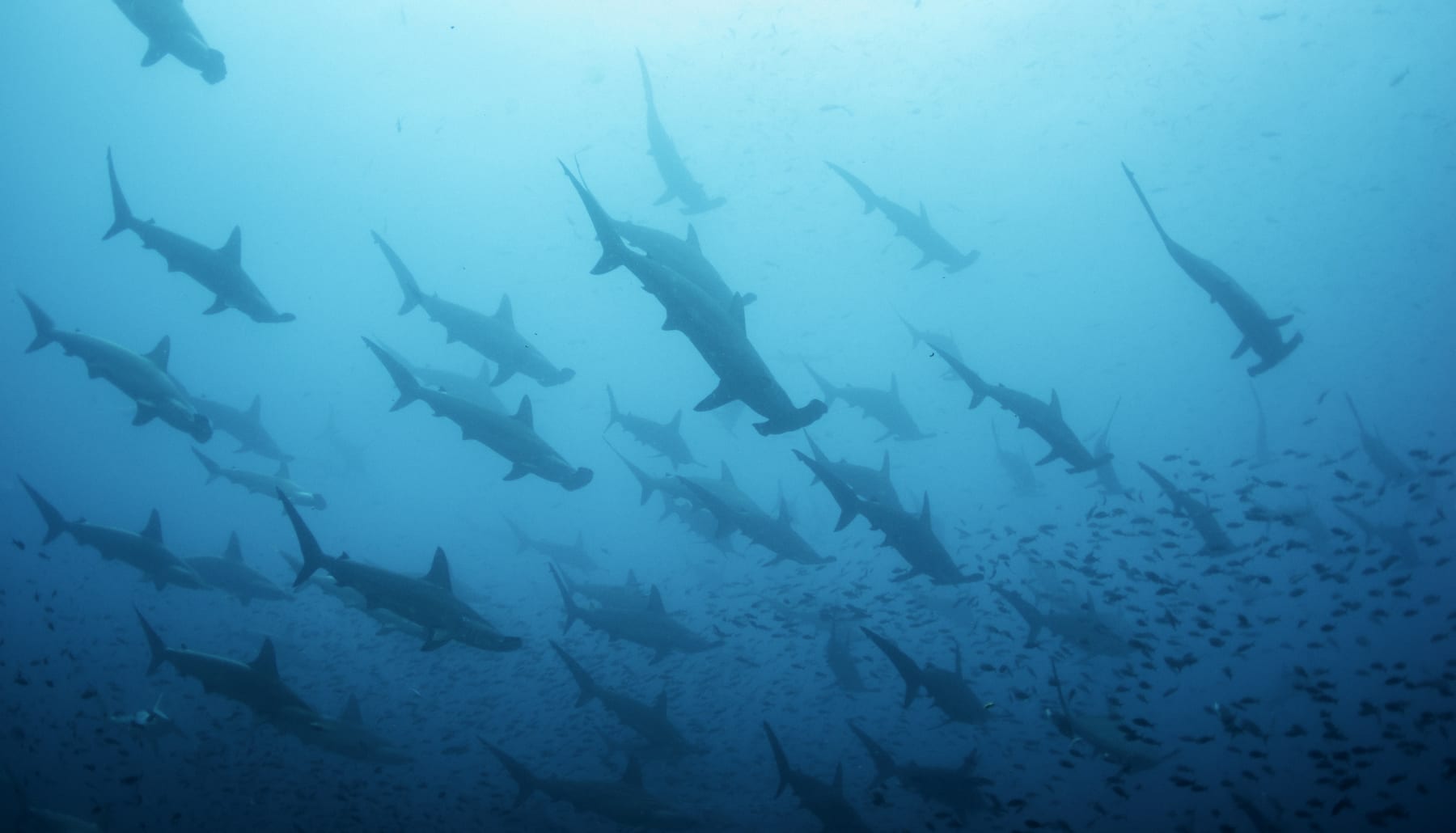
The head is not a mystery any more. Spreading the eyes wide gives near-360-degree vision, and spreading the electroreceptors across that surface turns the head into a wider sweep for the electrical fields given off by prey buried in sand.
The great hammerhead is the largest of the nine hammerhead species and is Critically Endangered. Its fins are large and highly valued, and it dies at unusually high rates even when released, which means catch-and-release rules do less for it than for most species.
The scalloped hammerhead schools in hundreds at seamounts and islands like Darwin in the Galapagos, and it is Critically Endangered for the same reason. Those aggregations make the species easy to watch and equally easy to fish out.
The types of sharks nobody pictures
Most sharks are small. The median shark is well under a meter.
The dwarf lanternshark is around 20 centimeters and produces its own light from organs on its belly, which cancels its silhouette against the surface for anything looking up at it. That trick is called counter-illumination and it is standard equipment below 200 meters, which our guide to deep sea creatures covers alongside the rest of the lightless ocean. The cookiecutter shark takes neat circular bites out of animals many times its size, including whales and the occasional submarine. The wobbegong is a flat carpet shark that looks like fringed seaweed and ambushes what walks past. The epaulette shark walks across dry reef flats on its fins between tide pools and can survive hours of very low oxygen.
The reef sharks you are most likely to meet
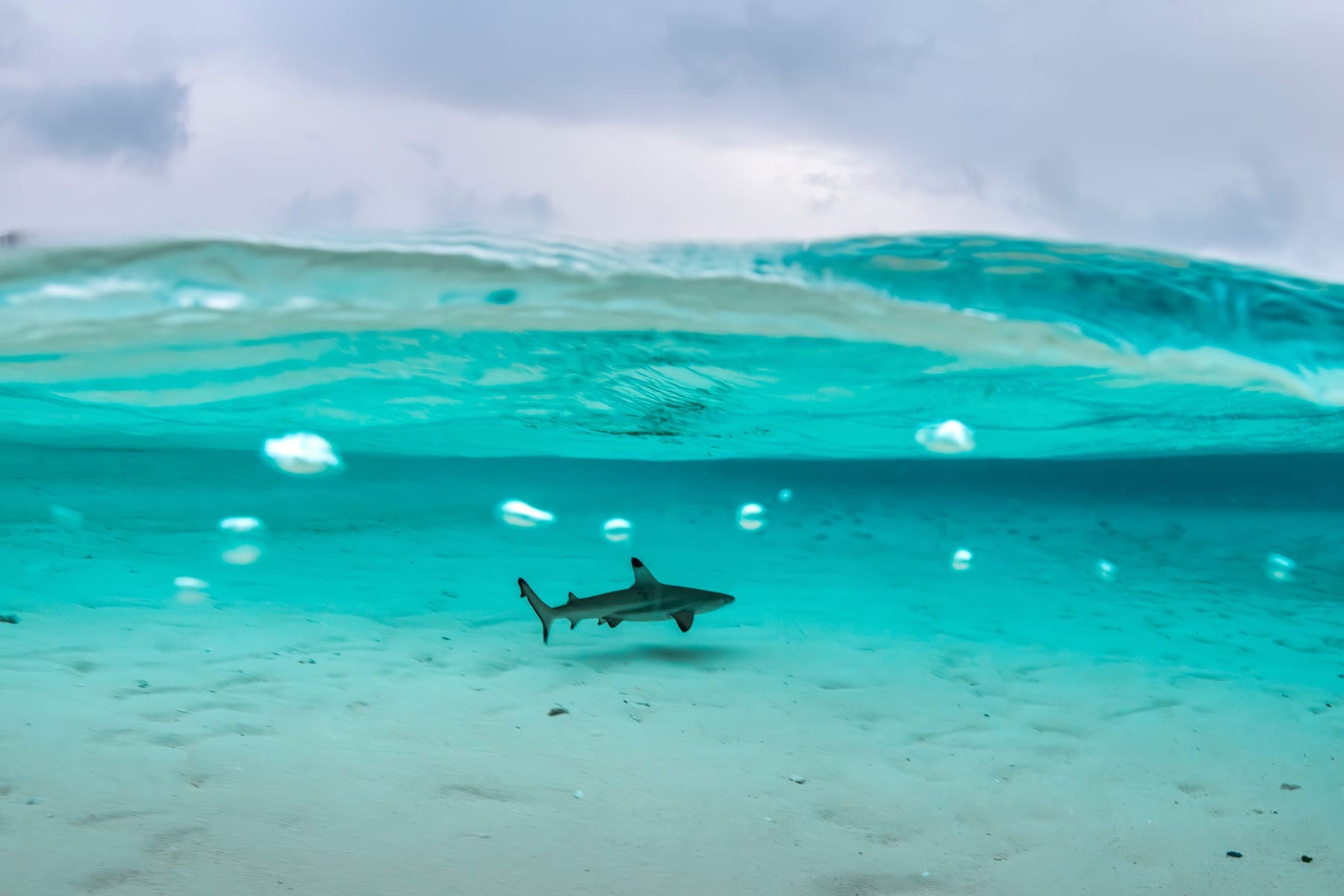
Blacktip, whitetip, and gray reef sharks are the ones divers actually encounter, usually between one and two meters, and reef systems that still hold them are measurably healthier than reef systems that do not.
That is the argument for sharks that carries the most weight, and it applies to nearly every predator in the ocean. Remove the predators and the mid-sized fish that graze algae get eaten by nothing, the balance shifts, and a reef under stress from warming loses one of the few things helping it recover. Oceanic Society runs research trips built around exactly this kind of monitoring.
Why a third of sharks are threatened
The numbers are not close. Roughly one third of shark and ray species are threatened with extinction, which is a worse share than birds, mammals, or amphibians, and the causes are not mysterious.
Overfishing, mostly as bycatch. The majority of sharks killed each year were not the target. They were caught on longlines and in nets set for tuna and swordfish.
Finning. Fins are worth far more than the rest of the animal, which creates the incentive to keep the fin and discard the shark.
Slow reproduction. This is the part that decides the outcome. A shark may take 15 years to mature and produce a handful of pups. A population fished down does not bounce back the way a bony fish population does, because the arithmetic is closer to that of a large mammal than a fish.
Almost no data. A large share of shark species are assessed as Data Deficient by the IUCN Shark Specialist Group, meaning nobody knows how many there are. That is not reassuring, it is the absence of the information that would trigger protection.
The IUCN Red List carries the assessments, the Shark Trust tracks the fisheries policy behind them, and Marine Dynamics Shark Tours in South Africa is one of the operators funding research off the back of cage diving.
The reputation problem is the conservation problem
There is one more thing worth saying plainly, because it decides how much money any of this attracts.
Sharks kill fewer than ten people a year worldwide. People kill somewhere in the region of 80 to 100 million sharks a year. The ratio is roughly ten million to one and running in the opposite direction to the one most people assume.
That gap matters because protection follows public sympathy, and sympathy has been unusually hard to build for an animal whose entire public profile was set by one film in 1975. The species in the worst trouble here, the great hammerhead and the scalloped hammerhead, are also among the least likely to be the subject of a campaign.
It is changing, slowly, and the mechanism is worth noting: the places that protected sharks first were the ones where a live shark became worth more than a dead one. Palau declared the world's first national shark sanctuary in 2009 after calculating that a single reef shark was worth roughly 1.9 million dollars in dive tourism over its lifetime, against about 100 dollars sold once for its fins. That argument travels further than sympathy does.