26 sea animals, from the reef builders to the ones nearly gone
The ocean covers 71% of the Earth's surface and, because it is inhabited at every depth rather than just along the bottom, it accounts for roughly 99% of the planet's living space. Almost none of it has been surveyed properly, and most sea animals living in it have never been counted.
That gap shapes everything about how we treat sea animals. Most of what people search for under ocean animals or marine animals is in fact a handful of vertebrates near the surface, and the ocean is overwhelmingly neither. A forest can be photographed from a plane. An ocean population is estimated from acoustic surveys, tagged individuals, and counts of animals that surface. When a marine species declines, the evidence usually arrives late.
The 26 species below are grouped by the job they do rather than by taxonomy, because in the ocean the useful question is rarely what an animal is. It is what stops working when the animal goes.
Ocean species that engineer their habitat
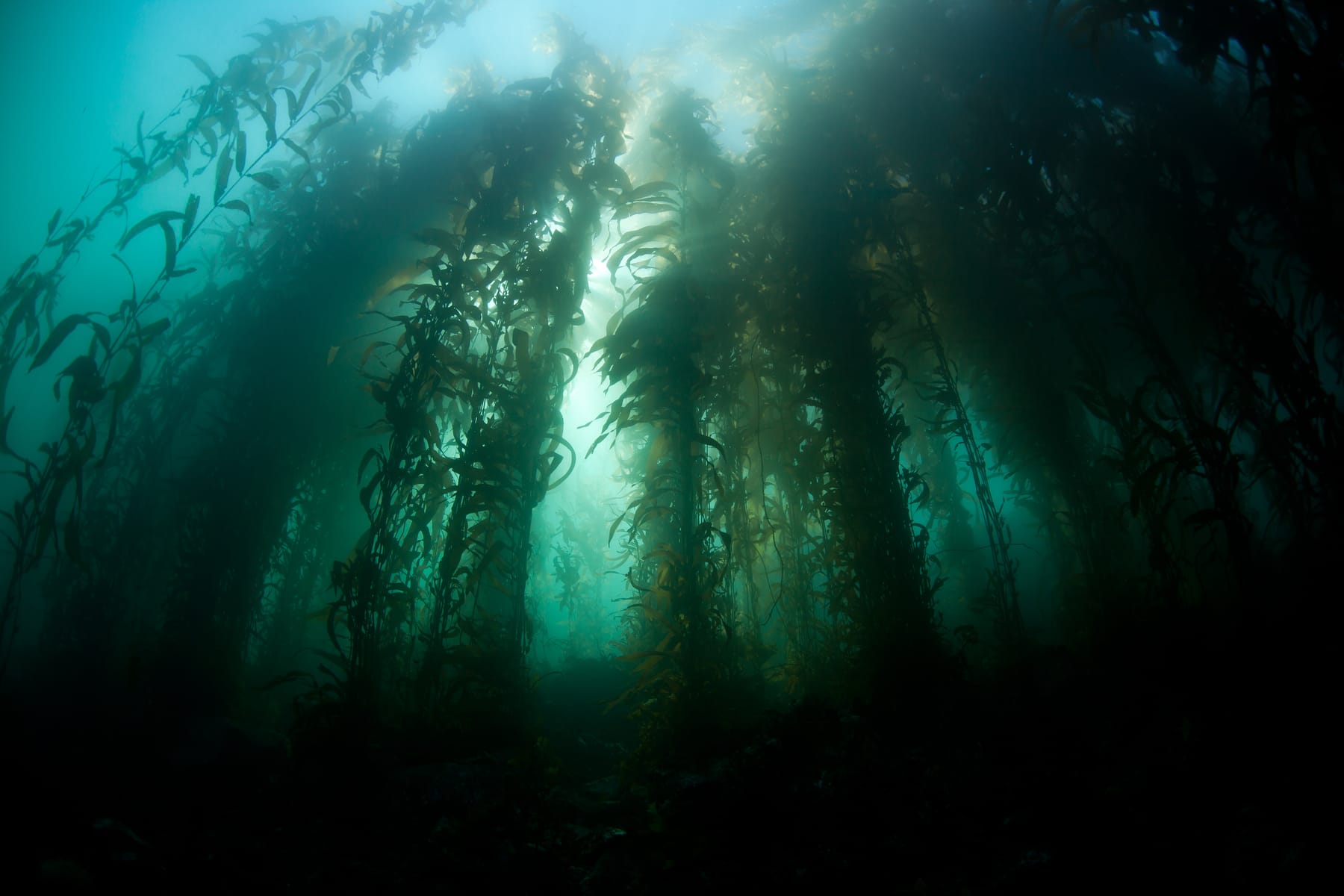
Some species build or maintain the habitat that everything else depends on.
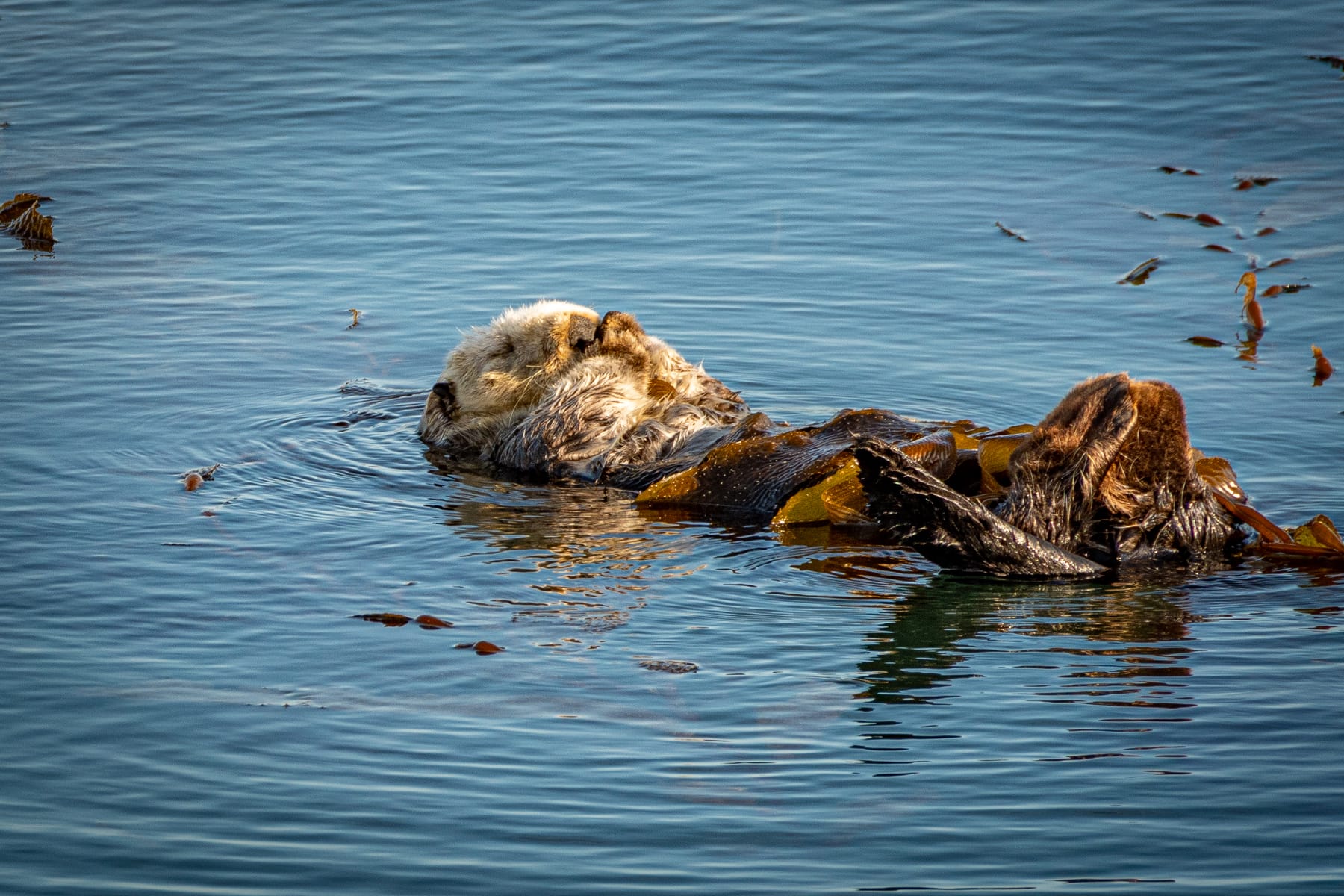
The sea otter is the classic case and is Endangered. Otters eat sea urchins. Urchins eat kelp. Where otters were hunted out for the fur trade, urchin numbers exploded and kelp forests were grazed down to bare rock, taking with them the fish, invertebrates, and shelter the kelp supported. Restore the otters and the forest returns. Few animals demonstrate the concept of a keystone species as cleanly, and fewer still attract the kind of funding an otter does, which is almost entirely down to its face.
All seven sea turtle species are built differently from their land relatives, with flat streamlined shells rather than domed ones.
The hawksbill turtle does something similar on coral reefs. It eats sponges, which compete with reef-building corals for space, and cropping them keeps the reef structurally varied. It is Critically Endangered, hunted for the shell sold as tortoiseshell despite the trade ban CITES imposed in 1977. SEE Turtles and Oceanic Society run the nesting-beach protection.
The dugong and the West Indian manatee graze seagrass meadows, which store carbon and shelter juvenile fish. Both are Vulnerable, and both are killed mainly by boat strikes and net entanglement rather than deliberate hunting.
The giants: great whales
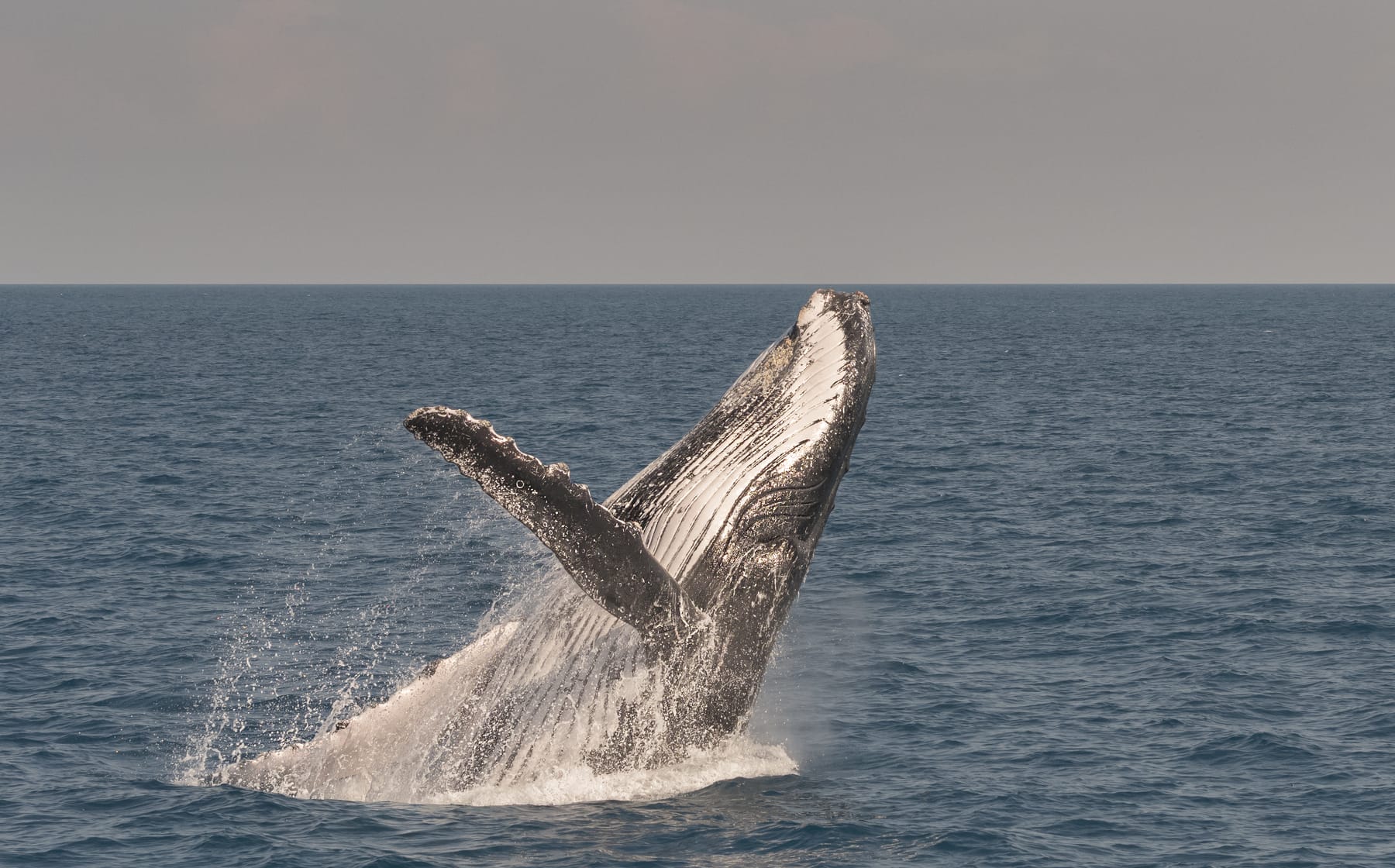
Great whales move nutrients in a way nothing else can, and they split into two groups that feed completely differently.
The blue whale is the largest animal that has ever lived, larger than any dinosaur, and is Endangered after commercial whaling removed the overwhelming majority of the population. The humpback whale is the recovery story: protected from whaling in 1966, it has rebounded well enough to be listed Least Concern, and it is now the whale most people actually see. Whale and Dolphin Conservation works across both.
Whales fertilize the surface ocean. They feed at depth and release nutrient-rich plumes near the surface, where phytoplankton use them, which is the base of the entire marine food web. A recovered whale population is a more productive ocean, not just a more populated one.
The sperm whale dives beyond 2,000 meters to hunt squid in darkness and has the largest brain of any animal. The North Atlantic right whale is Critically Endangered with around 370 individuals left, dying from vessel strikes and entanglement in fixed fishing gear along the eastern seaboard of North America, according to NOAA Fisheries. The narwhal carries a tusk that is actually an elongated canine tooth, packed with nerve endings. The orca is Data Deficient globally, which reflects how differently its separate populations are faring rather than an absence of concern.
The hunters: sharks and rays
Predators regulate everything beneath them, and they are the first to go.
The great white shark is Vulnerable and far rarer than its reputation suggests. The great hammerhead shark is Critically Endangered, taken largely for the fin trade. The whale shark is the largest fish in the world at up to 18 meters and eats plankton, and it is Endangered. Marine Dynamics in South Africa runs shark research and tourism that funds it. These three are the recognizable ones out of more than 500 shark species, most of which are under a meter long.
Removing sharks does not simply leave more fish. It changes the behavior of the species below them, which graze differently when nothing is hunting them, and the effects reach down to the reef itself.
The giant manta ray is Endangered, has the largest brain-to-body ratio of any fish, and appears to recognize itself in mirrors.
The common bottlenose dolphin is Least Concern and is the species most people picture, which makes it a useful reminder that a healthy global listing can hide local collapse. Several regional populations are assessed separately and are in serious trouble, and the IUCN category on the species as a whole says nothing about the animals in any particular bay.
The travelers: sea turtles
Sea turtles cross oceans and return to the beach where they hatched.
The green sea turtle is the conservation result worth knowing: its global population has risen roughly 28% since the 1970s, and the IUCN moved it from Endangered to Least Concern in October 2025. The recovery came from banning egg and adult harvest, protecting nesting beaches season after season, and fishing gear that lets turtles escape. Because green turtles take decades to mature, the 2025 result reflects beaches protected in the 1980s.
The leatherback turtle is the largest, reaching 900 kilograms, and is the only sea turtle without a hard shell. The loggerhead and olive ridley are Vulnerable. The Kemp's ridley turtle is Critically Endangered and nests almost entirely on a single stretch of Mexican coast, which is exactly the concentration that makes a species fragile. The Tortuguero program in Costa Rica protects several of these on the same beaches.
The cold-water specialists
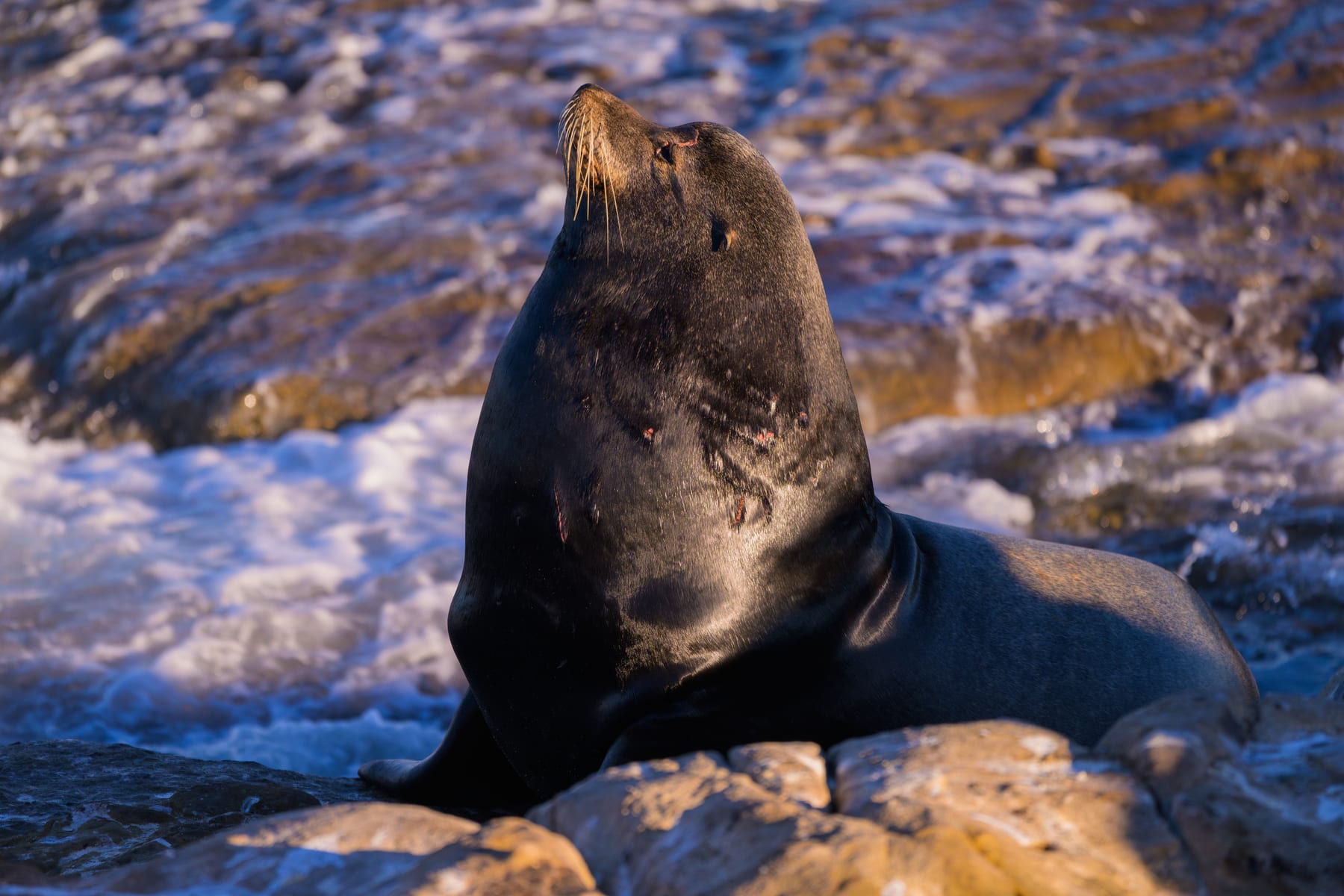
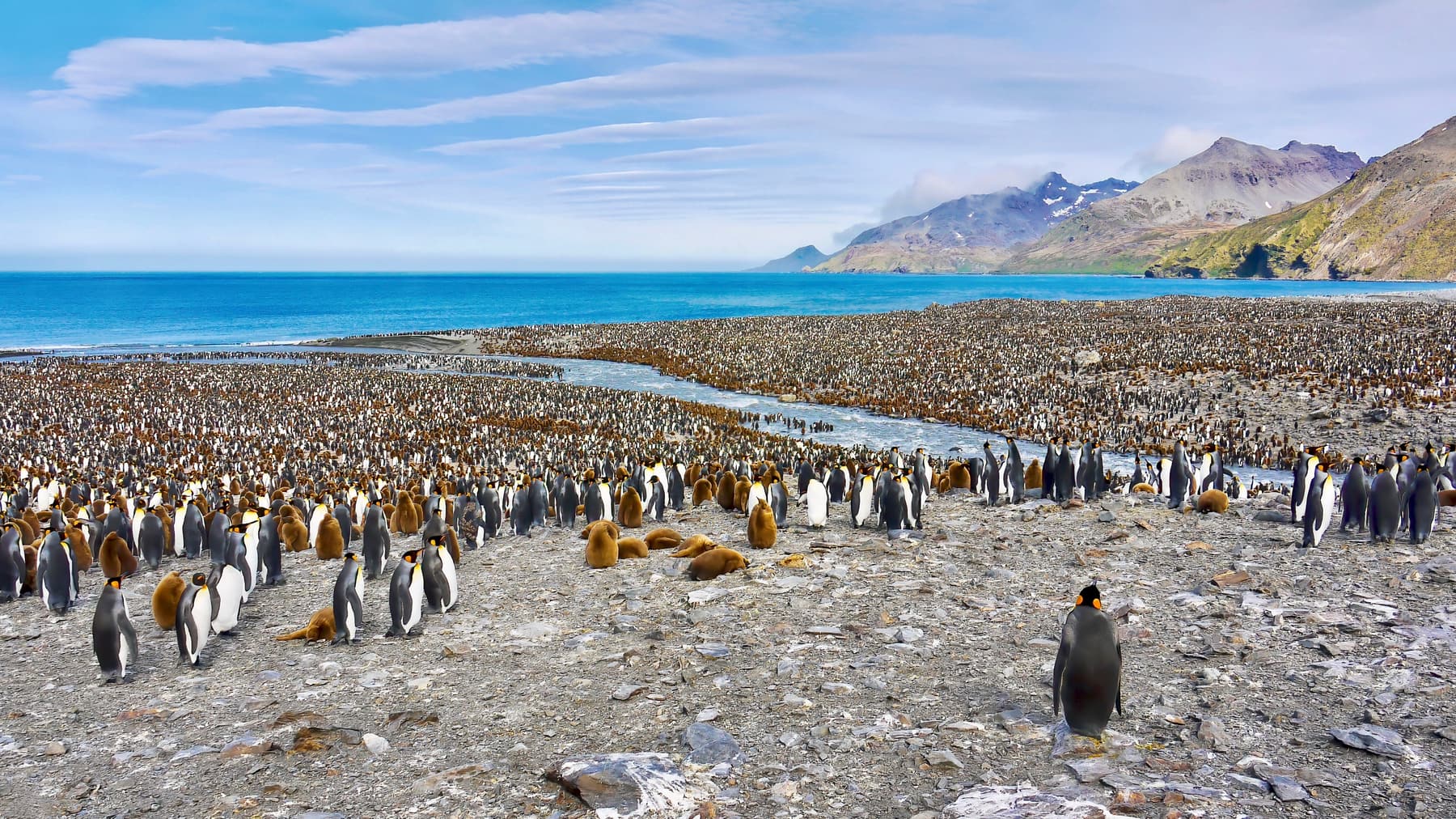
The emperor penguin breeds through the Antarctic winter on sea ice, and its future is tied directly to how much of that ice forms each year. It is one of 18 penguin species, and one of only two that breed on ice at all. In the Arctic, the walrus uses sea ice as a platform for resting between dives, alongside the seals and sea lions it is often mistaken for, and the Atlantic puffin is Vulnerable, struggling as the small fish it feeds its chicks shift range with warming water. The African penguin is Endangered for a different reason: commercial fishing has taken the sardines and anchovies it depends on.
The sea animals that are nearly gone
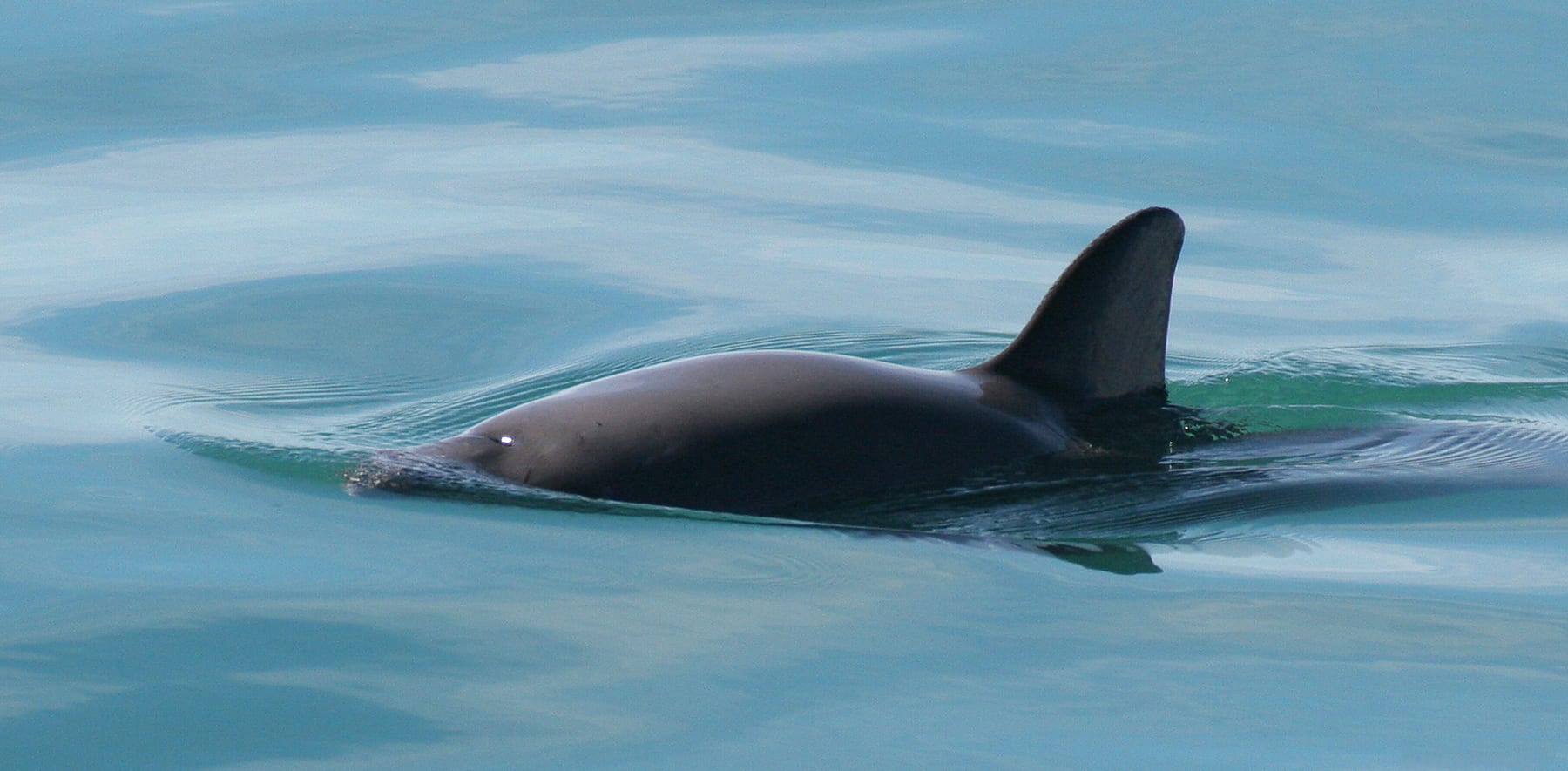
One of the few photographs ever taken of a living vaquita. Photo: Paula Olson, NOAA (public domain).
The vaquita is down to around ten animals in the northern Gulf of California. It is not hunted. It drowns in gillnets set illegally for totoaba, which makes it the clearest case in the ocean of a species being lost as a side effect of something else entirely.
The coelacanth sits at the other end of the story. It was known only from fossils and assumed extinct for 66 million years until one turned up in a South African fishing catch in 1938. It is Critically Endangered, and it is the reason biologists are careful about declaring deep-water species gone. Most of what lives below 200 meters has never been surveyed at all.
Why sea animals are harder to protect
Twelve of the species above are listed as Endangered or Critically Endangered on the IUCN Red List, and marine conservation faces three problems that land conservation does not.
Nobody owns the open ocean. Most of it lies beyond national jurisdiction, so protection depends on treaties rather than on a government that can enforce a park boundary.
The animals move. A green sea turtle may nest in one country and feed in another. A protected area helps only if it covers the part of the range where the animal is actually dying, which is often somewhere else entirely.
Nothing is visible. Land clearance shows up on satellite imagery. Overfishing, bycatch, and noise do not. By the time a marine population is measurably declining, the cause has usually been running for years.
That is why the organizations above concentrate on the few places where a marine animal is predictably in one spot: nesting beaches, calving grounds, and migration bottlenecks. Every species named here has a page on Wildlife Connect with its status and the organizations working on it, and our ten most endangered animals covers the marine species closest to the edge.