Animals that mate for life, and the ones that only look like it
Animals that mate for life are usually presented as romantic. In evolutionary terms lifelong pairing is a logistical arrangement. It appears where raising offspring takes more work than one parent can manage, and it disappears where it does not.
It is also rarer than the lists suggest. Around 90% of bird species form pair bonds, but only about 3 to 5% of mammals do, and DNA testing since the 1990s has complicated nearly every famous example.
Here is what actually holds up.
Albatrosses: the strongest case
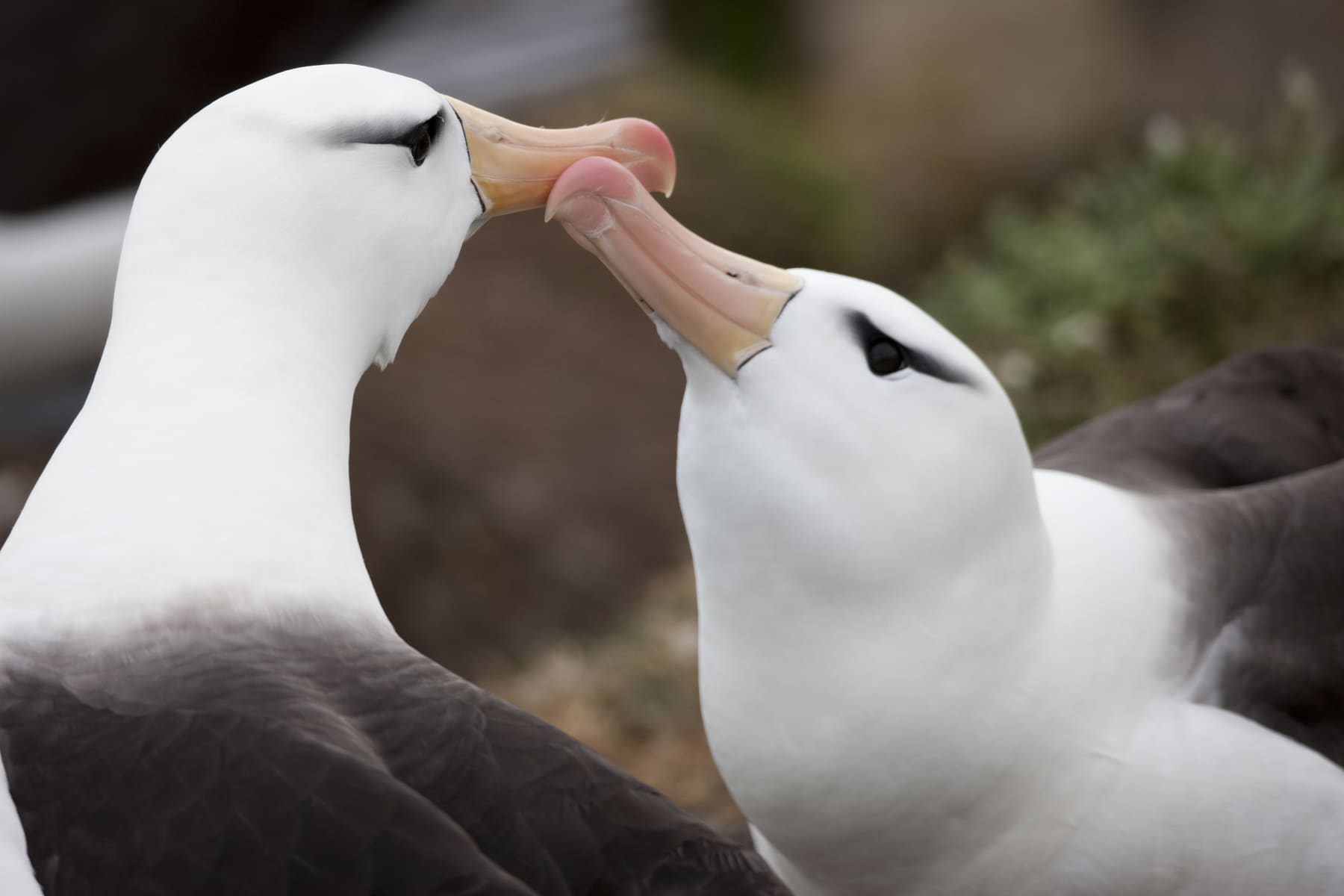
Albatrosses are the best-documented example of lifelong pairing, and the reasons are entirely practical.
An albatross pair takes most of a year to raise a single chick. One parent must guard it while the other flies thousands of kilometers to feed, and a bird can be away for weeks. That only works with a partner whose behavior is completely predictable, and predictability takes years to establish.
Courtship is correspondingly slow. Young albatrosses spend several seasons practicing elaborate dances with different partners before settling, and once settled, pairs stay together for decades. Divorce happens, but rates are low and usually follow repeated breeding failure.
The conservation angle is grim and specific. Albatrosses are among the most threatened of all ocean species, largely from longline fishing, where birds seize baited hooks and drown. A dead albatross does not simply remove one bird: it takes its partner out of the breeding population for years, because the survivor must court again from the beginning.
Wolves
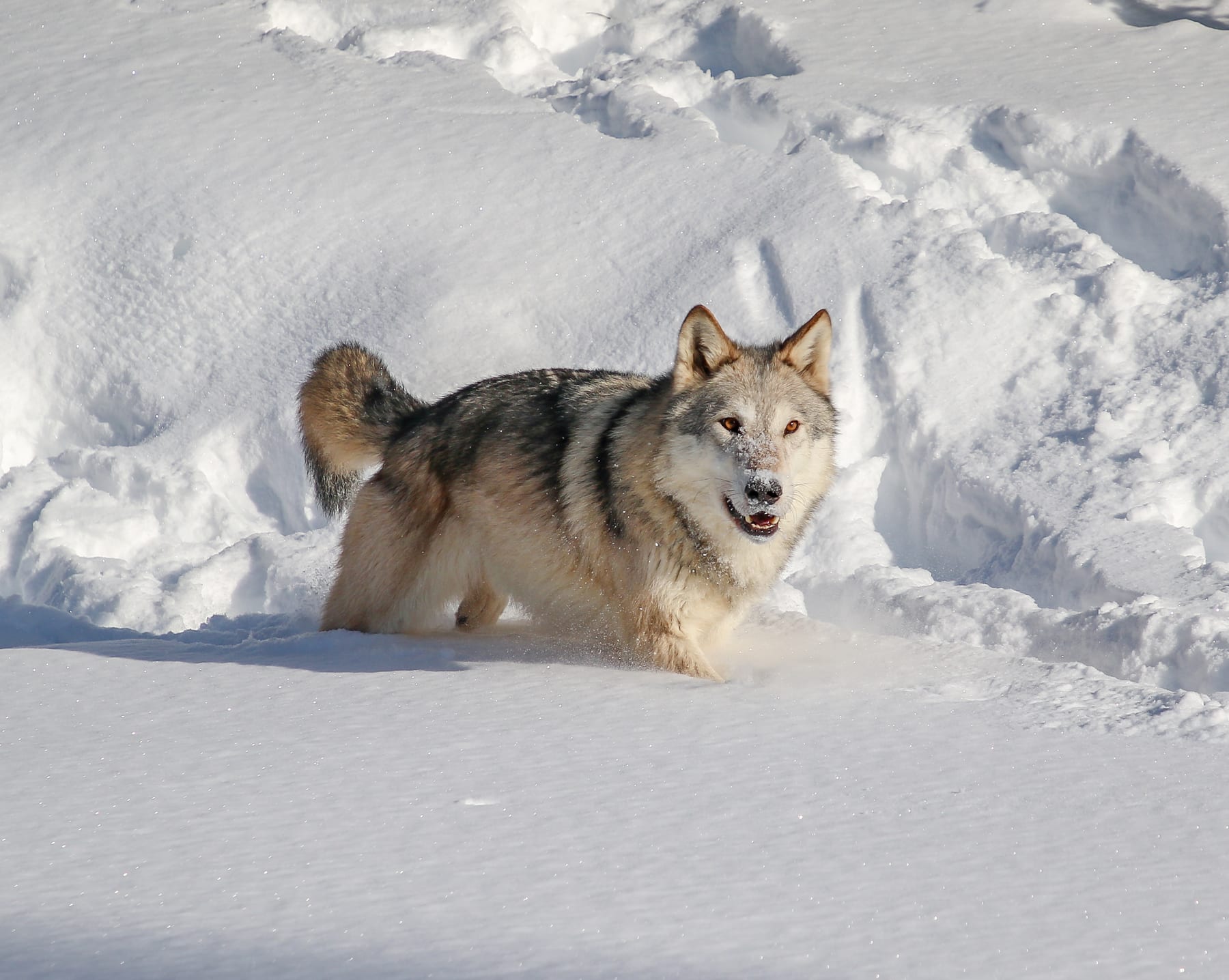
The gray wolf pairs for life in the sense that matters ecologically. A pack is a family: a breeding pair and their offspring from several years, with the young helping raise later litters before dispersing to find territory of their own.
That structure is why wolf packs are stable and why killing a breeding adult destabilizes a pack far beyond the loss of one animal. Removing an alpha can fragment a pack entirely, which is one reason culling programs often fail to reduce livestock predation: a fragmented pack hunts smaller, easier prey, which frequently means livestock.
Birds that pair, with caveats
The hyacinth macaw and the scarlet macaw both form long-term pairs, fly in pairs within larger flocks, and share incubation and feeding. The hyacinth macaw is Vulnerable, and pairs are slow to replace a lost partner.
The whooping crane pairs for life and performs an elaborate synchronized dance that reinforces the bond across seasons. It fell to fewer than 20 birds in the 1940s and has recovered to several hundred, which required people to teach captive-raised birds a migration route their species had forgotten.
The bald eagle pairs for life and returns to the same nest year after year, adding to it until some nests weigh over a metric ton. The US Fish and Wildlife Service tracks the nests, which are used as the census unit precisely because the pair, not the individual, is the stable thing.
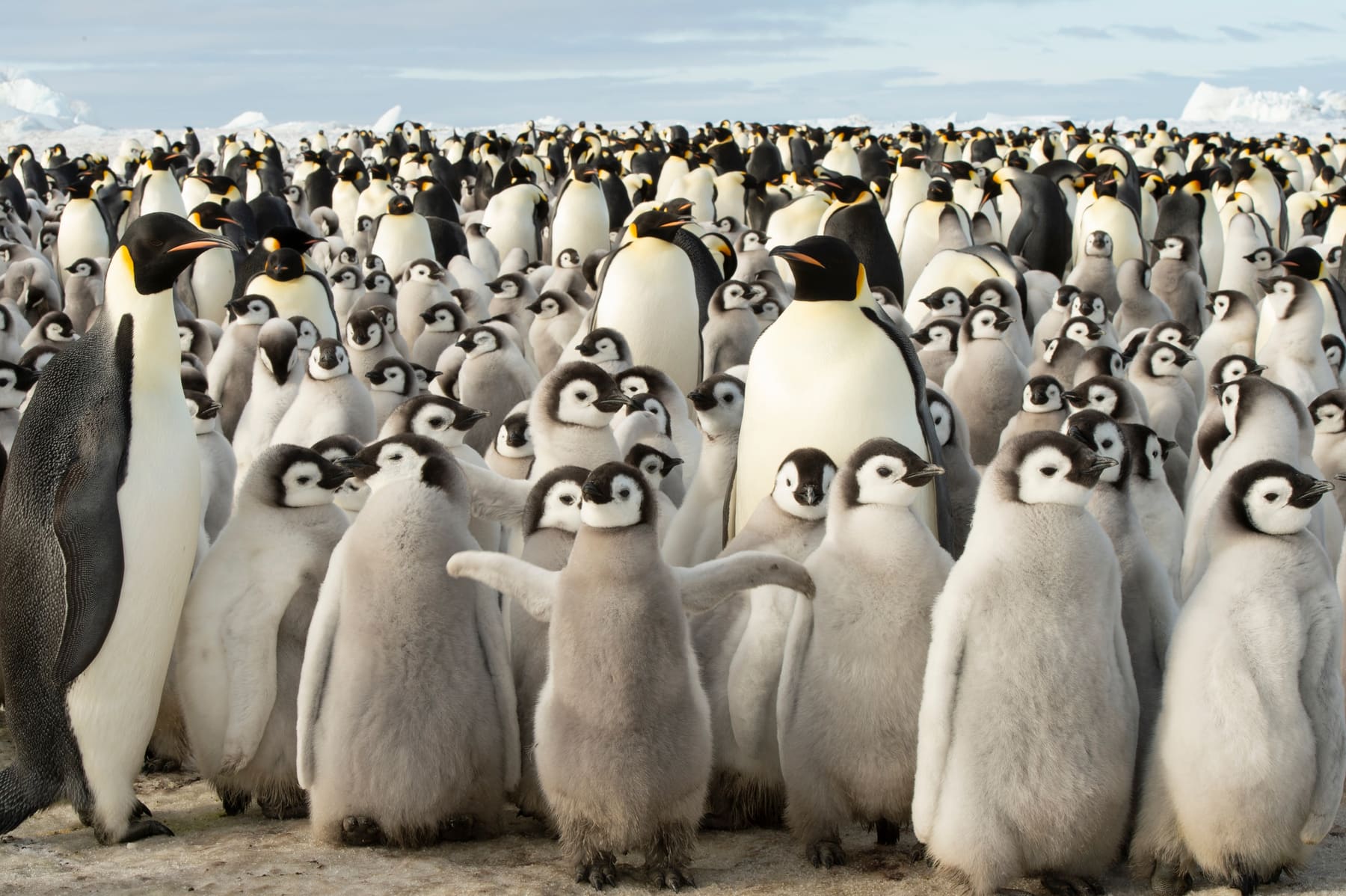
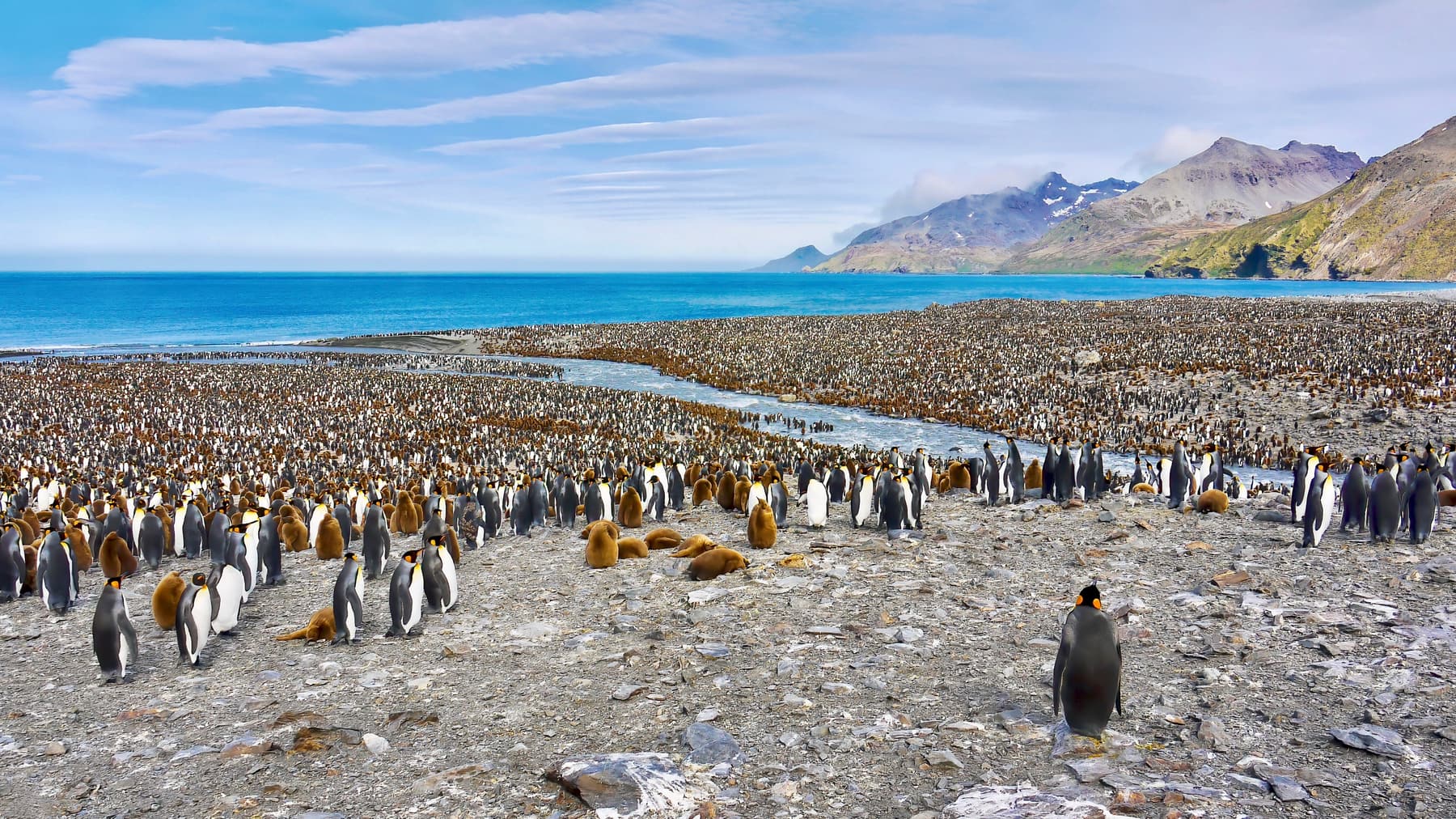
Penguins are the case most often overstated. Emperor penguins are frequently described as mating for life and mostly do not: fidelity between seasons is relatively low, largely because the timing of return to the colony makes finding last year's partner difficult. The African penguin has higher fidelity, and the emperor penguin less than its reputation suggests.
What DNA testing did to the story
Before genetic testing, monogamy was assessed by watching. Two birds share a nest, raise chicks together, and stay together, so the chicks are theirs.
Then paternity testing arrived and found that in many socially monogamous bird species, a substantial share of chicks in a nest were fathered by a different male. Biologists now separate two things that used to be one:
Social monogamy is the pair bond: sharing a territory, a nest, and the work of raising young. This is common and real, and in wolves and dolphins it sits inside social structures complex enough to count as culture.
Genetic monogamy is exclusive mating. This is rare.
The distinction is not a debunking. A pair bond that lasts decades and successfully raises offspring is doing exactly what it evolved to do, whether or not every chick is genetically shared. But it does mean the phrase "mates for life" describes a working partnership rather than exclusivity, and the species where both hold are genuinely unusual.
The animals that mate for life on land
Mammals are the harder case, and the short list is instructive.
Gibbons pair and defend a territory together, singing duets that advertise the bond to neighbors. Beavers pair and build together, which is unusual because the work of maintaining a dam genuinely needs two animals. Prairie voles are the laboratory model for pair bonding, and the neurochemistry behind their fidelity, involving oxytocin and vasopressin receptors, is the basis for most of what is known about the biology of attachment in mammals generally.
Notably absent: almost every large mammal people assume pairs. Lions do not. Elephants do not. Wolves are the significant exception, and even there the bond is built around cooperative pup-rearing rather than exclusivity.
The pattern holds. Mammalian females can feed young without help, so a male that stays contributes less than a male that leaves and breeds again. Where a male does contribute meaningfully, through territory defense, food, or carrying young, pairing appears.
Why monogamy evolves at all
Three conditions produce it, and they explain the distribution.
Offspring that need two parents. Birds dominate the list because eggs need constant incubation and chicks need constant feeding, which is hard to do alone. Mammals rarely pair because a lactating female can feed young without help.
Scattered mates. If finding a partner is difficult, keeping one is more efficient than searching again. This is part of why albatrosses, which range over whole oceans, are so committed.
Territory worth defending together. Two animals hold a territory better than one.
Where none of those apply, monogamy does not appear, which is why it is nearly absent among grazing mammals and common among seabirds.
There is a fourth condition that gets less attention: long life. A pair bond only pays off if both animals live long enough for the investment in learning each other to return. Albatrosses live 50 years or more, and macaws and eagles are comparable. Short-lived species rarely bother, because by the time a bond is established the season is over.
Why it matters for conservation
Species that pair for life recover more slowly from population loss, and the reason is not obvious from a headcount.
Killing one bird of a bonded pair removes two from the breeding population, at least temporarily, and the effect compounds in colonies where most adults are already paired and unpaired birds are scarce. In slow-courting species like albatrosses, the survivor may take several years to pair again, and some never do. A population reduced by 30% can lose considerably more than 30% of its breeding capacity, which is why viability rather than headcount is the number that decides an outcome.
That is why bycatch is so damaging to albatrosses specifically, and why recovery programs for whooping cranes and other paired species count breeding pairs rather than individuals. The IUCN Red List assessments for these species increasingly report pair counts for exactly this reason, and BirdLife International tracks the seabird bycatch driving the albatross decline.