The smartest animals, and why the ranking keeps changing
Asking which are the smartest animals produces bad answers, because intelligence is not a single quantity that species have more or less of. An octopus solving a puzzle box and an elephant remembering a waterhole forty years later are doing completely different things, and neither is a version of the other.
What is measurable is a set of specific capabilities: tool use, self-recognition, long-term memory, cultural transmission, and problem solving. Different species top different lists.
Tool use
The chimpanzee uses a wider range of tools than any animal except us: termite-fishing sticks, leaf sponges for drinking, stone hammers for cracking nuts, and sharpened sticks for hunting. Crucially the techniques differ between communities and are learned rather than invented fresh, which makes them cultural.
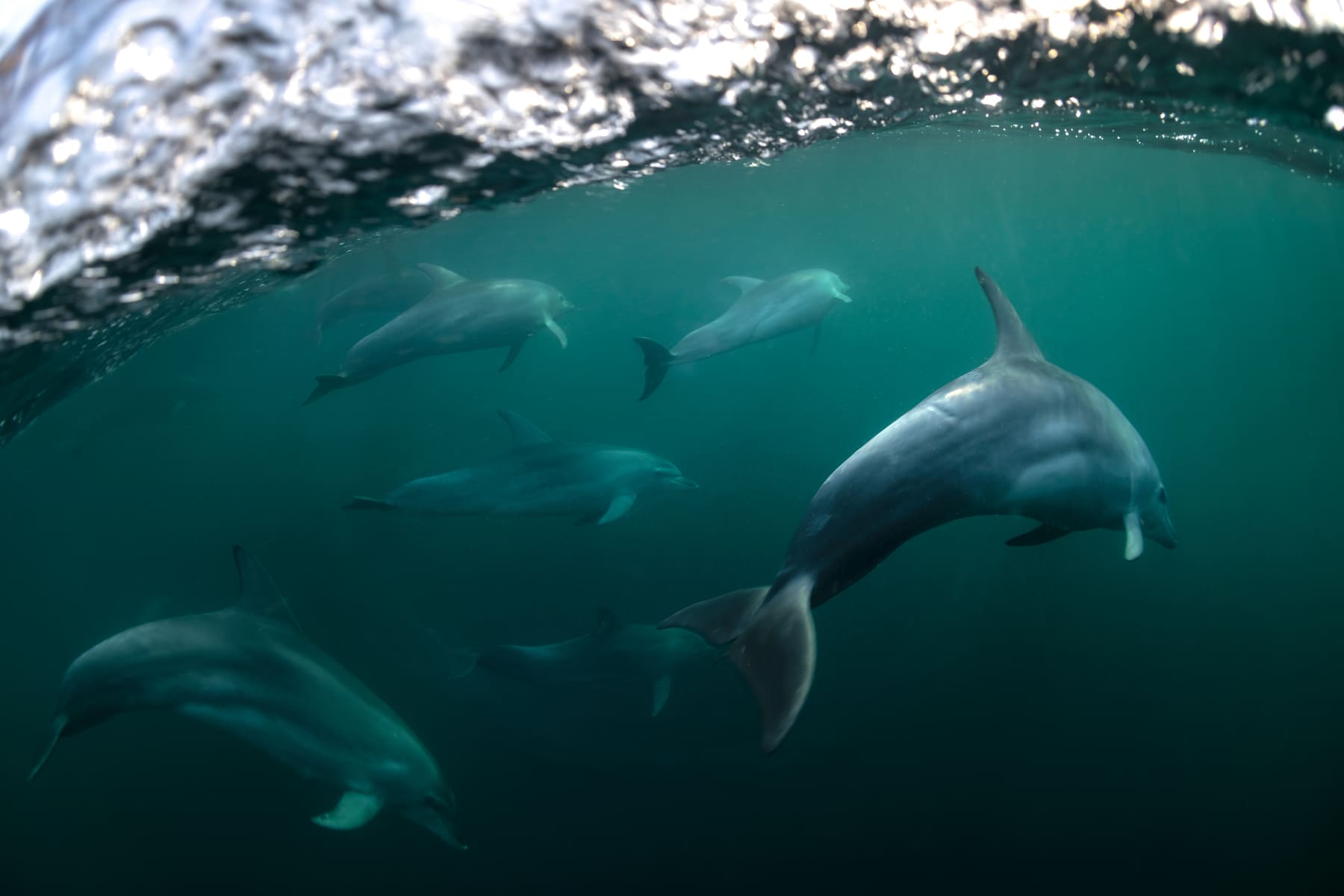
The bottlenose dolphin carries sponges on its rostrum to protect its snout while foraging on rough seafloor, a behavior passed from mother to daughter along family lines. It is one of the few documented non-primate tool traditions. Tool use of this kind is what separates the two monkey groups from most other mammals.
The Bornean orangutan and Sumatran orangutan make umbrellas from leaves, fashion sticks to extract insects, and construct a fresh sleeping nest every night, choosing branches by strength.
Self-recognition
The mirror test is crude but useful: an animal is marked, shown a mirror, and watched to see whether it inspects the mark on its own body rather than the reflection. Most species fail. The list that passes is short.
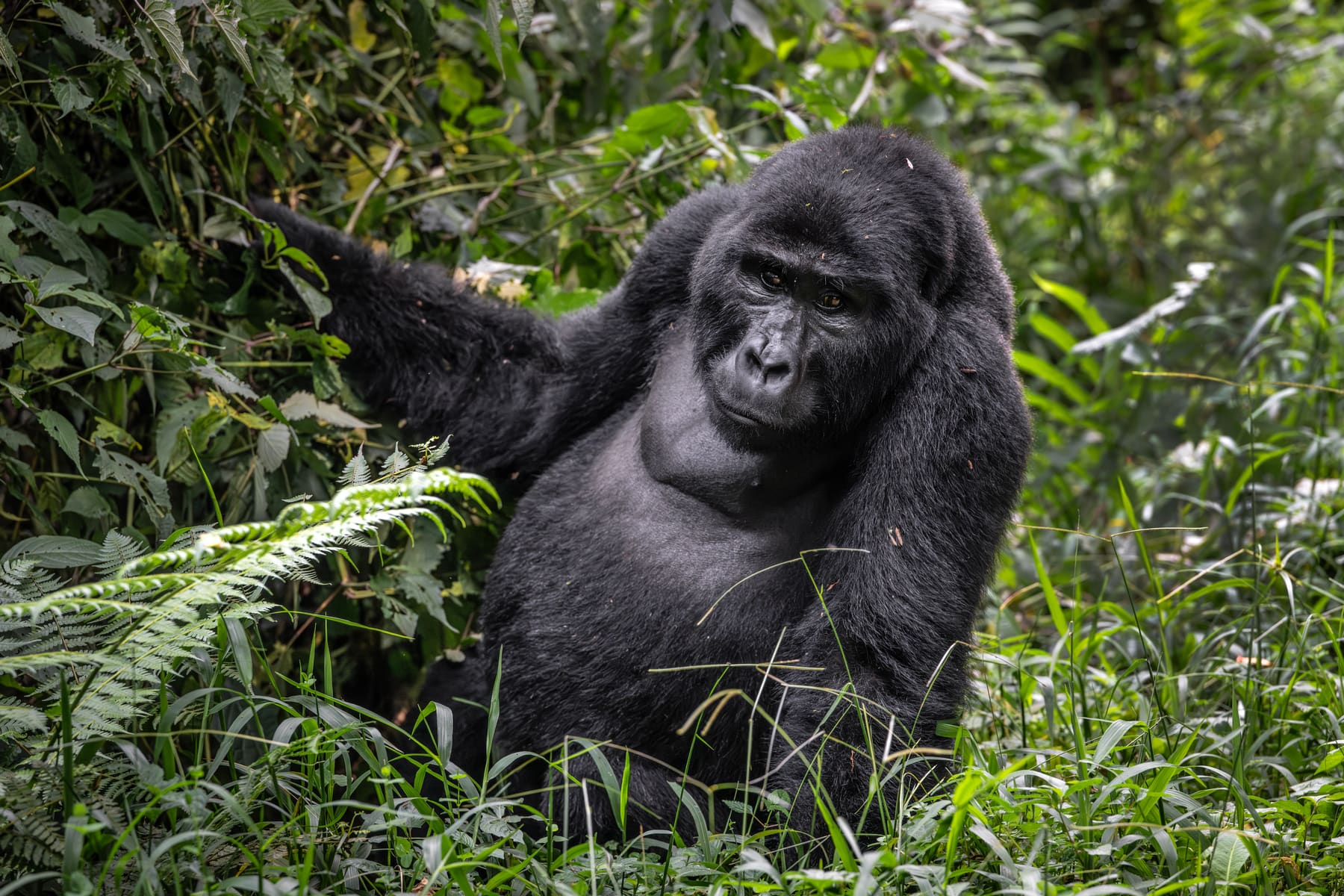
All the great apes pass, including both gorilla species and both orangutans. Bottlenose dolphins pass. Orcas and elephants pass. The African savanna elephant not only passes but shows sustained interest in its own body, and elephants also respond to the bones of dead elephants in ways no other animal shows toward its own species.
The magpie passes, which is the result that broke the assumption this was a mammal-only capability, since birds have no neocortex at all.
Memory
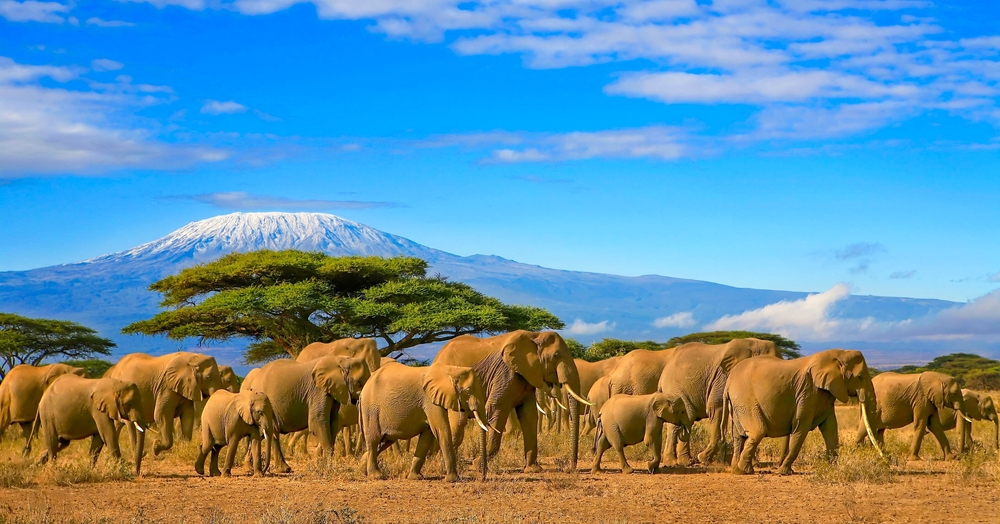
Memory is where elephants genuinely lead, and the mechanism matters more than the cliché.
An elephant herd is led by its oldest female, and what she carries is a map: where water is in a drought year, which routes are safe, which individuals from other herds can be trusted. Studies of herds during severe drought found that groups led by older matriarchs survived at higher rates, because those females remembered water sources from decades earlier that younger animals had never seen.
That is why poaching an old female costs a herd more than the loss of one animal. It removes the archive. Save the Elephants has tracked individual animals long enough to document it directly.
Culture, and why the word is not a stretch
Culture in animals means information passed between individuals by learning rather than carried in genes, and by that definition several species clearly have it.
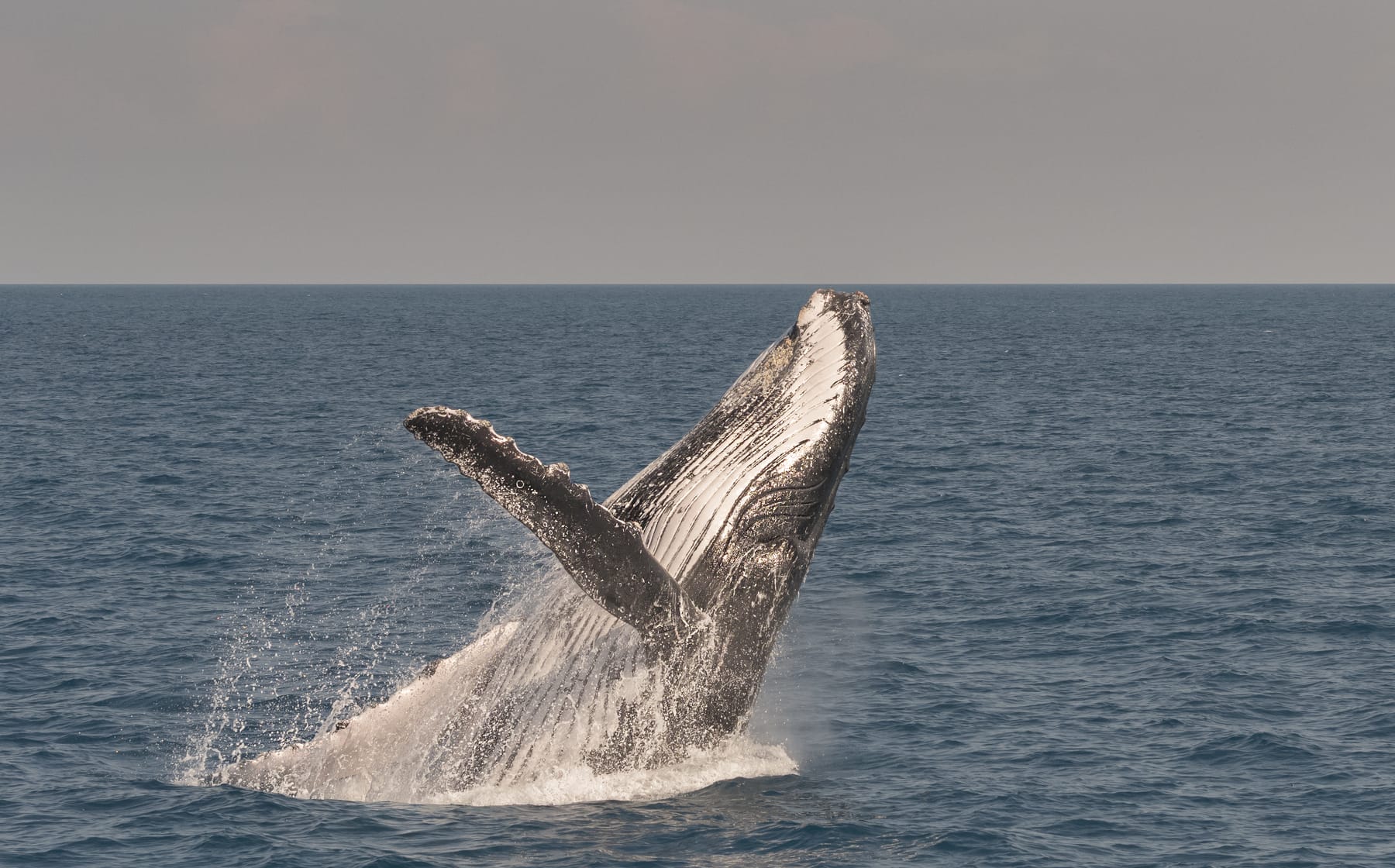
Humpback whale song is the cleanest example, and it is one reason the split between toothed and baleen whales matters behaviorally as well as anatomically. Every male in an ocean basin sings roughly the same song in a season, the song changes through the year, and every male adopts the change. A new song has been documented spreading from eastern Australia across the whole South Pacific in a few years.
Chimpanzee communities have distinct tool kits. One group cracks nuts with stones and a neighboring group with identical access to the same nuts and stones does not, because nobody there learned it. Orangutan populations differ the same way.
The consequence for conservation is easy to miss. Culture is stored in individuals and transmitted in groups, so it disappears faster than a species does. A population reduced to a fraction of itself can lose migration routes and hunting techniques permanently, and those do not return when numbers recover, because there is nobody left who knows them.
Problem solving
The orca is Data Deficient globally, which is a statement about our knowledge rather than about the animal, and it is arguably the most behaviorally sophisticated species in the ocean. Separate populations have entirely different hunting techniques: some beach themselves deliberately to take seals and then wriggle back, some create waves to wash prey off ice floes, some hunt only fish and will not touch a mammal. These are traditions, taught to calves over years.
The sperm whale has the largest brain of any animal that has ever lived and lives in clans defined by shared click patterns, avoiding clans with different patterns even in the same water.
Among birds, corvids plan for the future, cache food in thousands of locations and remember them, and use tools they have shaped themselves. Among invertebrates, the octopus opens containers, escapes enclosures, and appears to play, all with a nervous system distributed largely through its arms rather than centralized.
Why the smartest animals are usually the most threatened
Run down the list and the same statuses keep appearing. Chimpanzees Endangered. Both orangutan species Critically Endangered. African elephants Endangered. Sperm whales Vulnerable.
That is not coincidence, and the reason is structural rather than sad.
Intelligence is expensive. Large brains need large bodies and rich diets, so intelligent animals tend to be big, which means they need space and are worth hunting.
It comes with slow development. An animal that learns rather than inherits its behavior needs a long childhood. Orangutans take eight years, elephants longer. Slow development means slow reproduction, and slow reproduction means a population that cannot rebound.
Learned knowledge can be lost. This is the part most often missed. When a population crashes, the animals are not the only thing that goes. Migration routes, hunting techniques, water locations, and tool traditions live in individuals, and a species can survive as a population while losing most of what it knew. A reintroduced animal without that inheritance is not the same animal ecologically.
The IUCN Red List records the population figures, organizations like the Jane Goodall Institute have spent decades documenting the behavior those figures put at risk, and Save the Elephants has tracked individual matriarchs long enough to show what is lost when one dies.
What intelligence does not predict
One assumption worth dismantling: intelligence does not track how closely related an animal is to us, and it does not track brain size either.
The octopus is the clearest counterexample. It solves problems, opens containers, and recognizes individual keepers, with a nervous system in which most neurons sit in the arms rather than a central brain. Our last common ancestor with an octopus lived more than 500 million years ago and was probably a flatworm. Whatever intelligence is, it evolved at least twice, independently, on completely different hardware.
Brain size fails as a predictor too. Sperm whales have the largest brains on Earth and corvids have brains the size of a walnut, yet crows outperform many primates on some problem-solving tasks. Bird brains pack neurons far more densely than mammal brains do, which is why a magpie can pass a mirror test with no neocortex at all.
The practical lesson for conservation is that we are poor judges of which species are doing something remarkable. Assessments concentrate on mammals, and the animals we have studied least are the ones most likely to surprise us.
The honest answer
If you want a single ranking, the most defensible one is: great apes, then elephants and cetaceans, then corvids, then octopuses. But the ranking hides more than it shows.
An octopus is solving problems with an evolutionary history that split from ours more than 500 million years ago, using a nervous system organized on completely different principles. Calling it less intelligent than a chimpanzee is like calling a submarine a worse airplane.
The more useful question is not which animals are smartest but which ones are doing something we did not expect. On that measure the list gets longer every year, and our guide to weird animals covers several species whose capabilities were discovered only recently.