All 11 big cats, ranked by how much trouble they are in
Of the big cats, only four can roar: the lion, the tiger, the leopard, and the jaguar. All four belong to the genus Panthera, and the anatomy that lets them roar, a flexible bone in the throat, also stops them from purring continuously the way smaller cats do.
That is the strict definition of big cats, and it is narrower than most people expect. In practice the term stretches to cover the cheetah, the snow leopard, and several others that are large, wild, and charismatic, so this list covers all 11 species with pages on Wildlife Connect.
The four big cats that roar
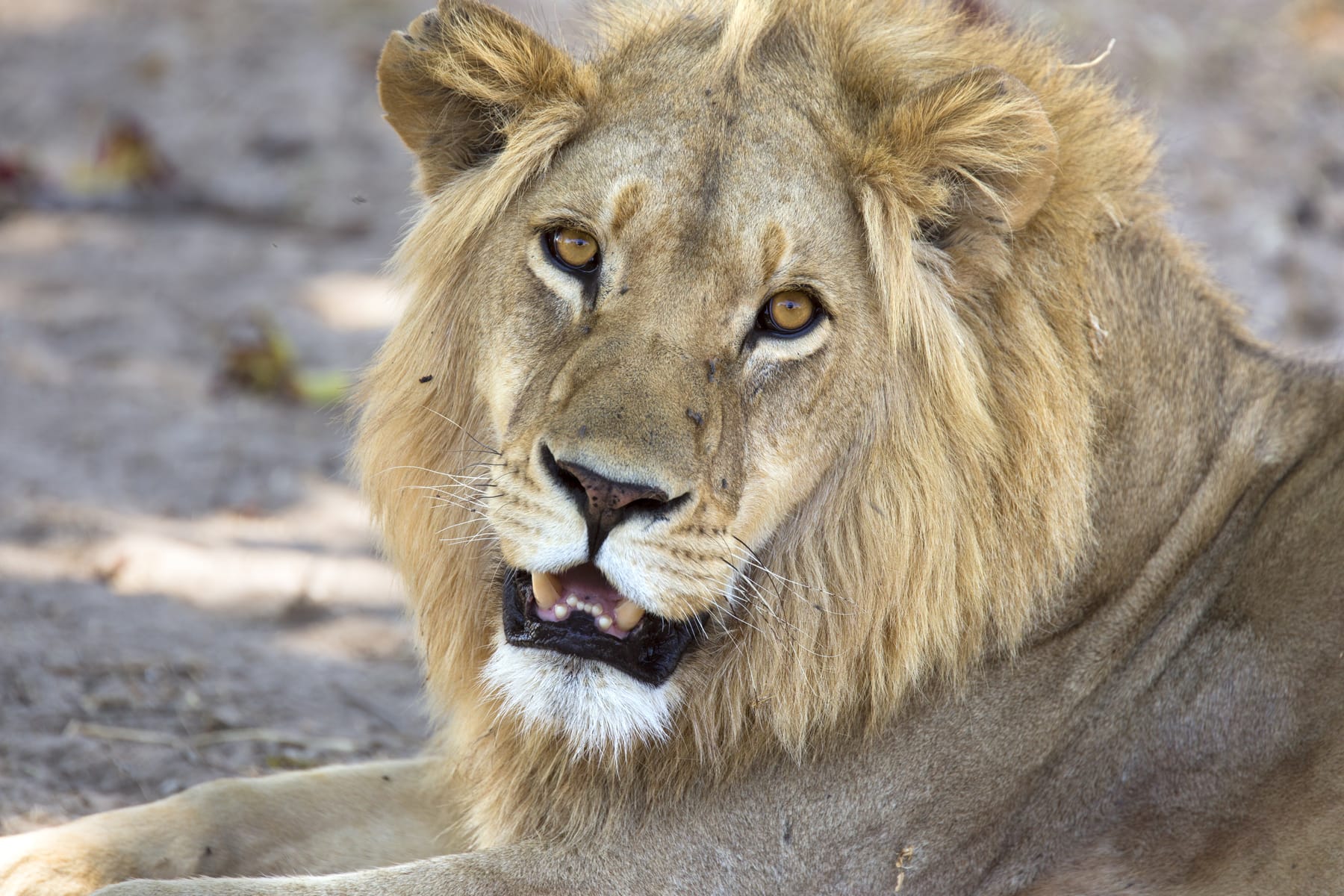
The lion is the only cat that lives in permanent social groups. A pride is built around related females who hunt cooperatively and raise cubs together, while males hold tenure for a few years before being displaced. It is Vulnerable, and its range has contracted enormously: lions once lived across Africa, southern Europe, and into India, and now survive in fragments of sub-Saharan Africa plus one small population in India's Gir Forest.
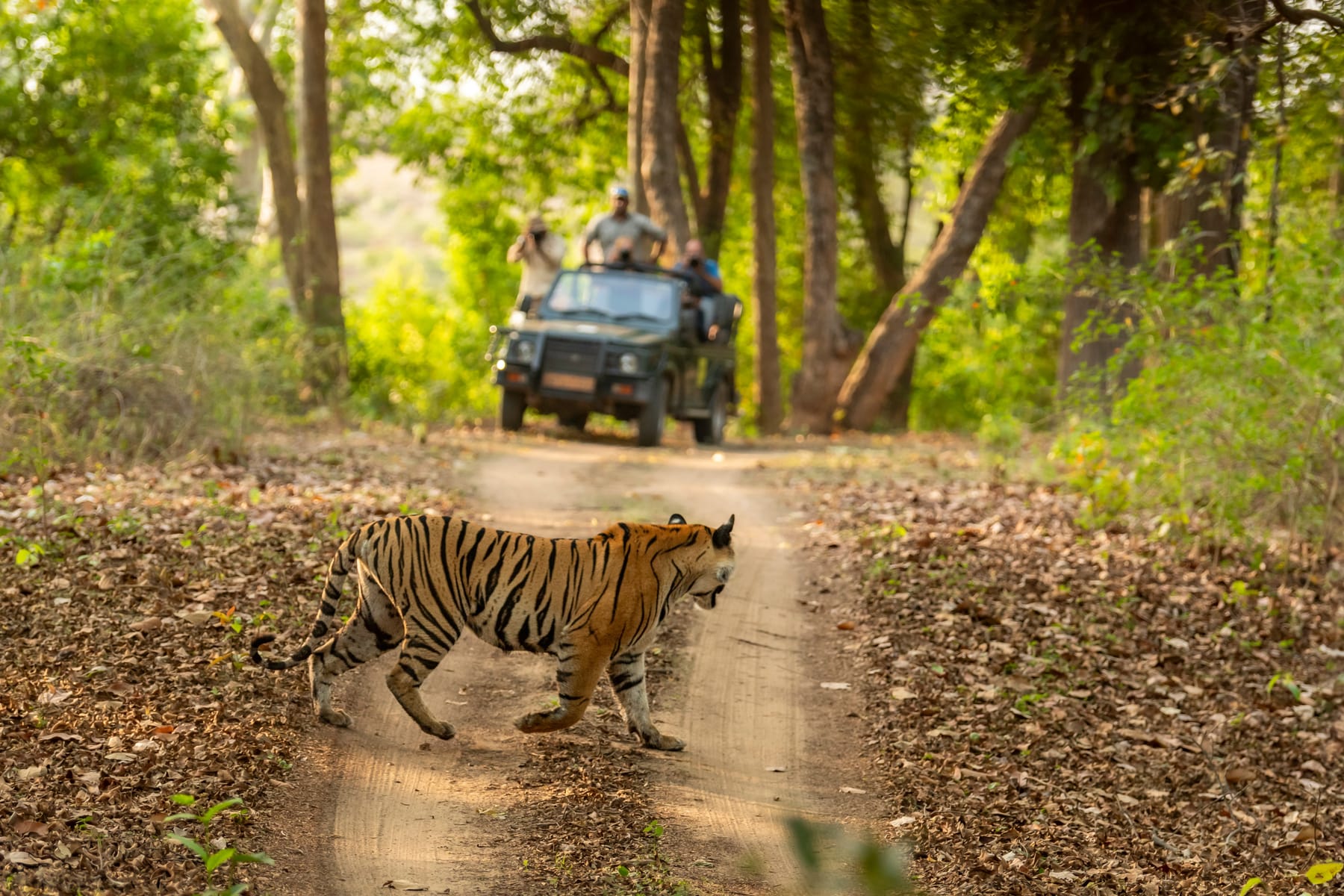
The tiger is the largest cat alive, up to 300 kilograms, and is Endangered. It is also the conservation story with the most encouraging recent numbers, because coordinated national programs in India, Nepal, and Russia have pushed wild tiger numbers up from a low point around 2010. Panthera works across the range.
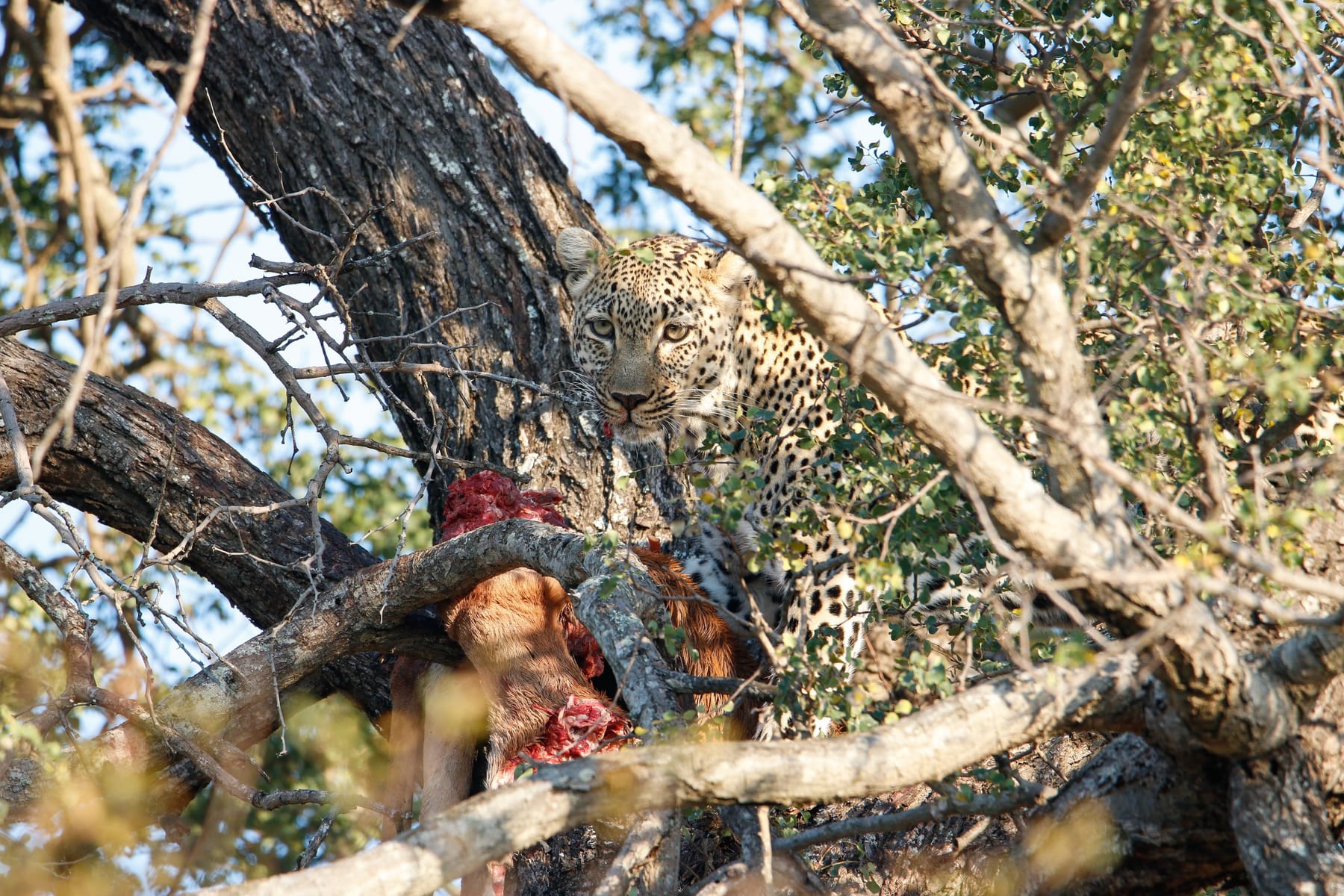
The leopard is the most adaptable, occupying rainforest, savanna, mountains, and the edges of cities from Africa to the Russian Far East. It is Vulnerable, and the wide range hides steep local declines.
The jaguar is the only big cat in the Americas and has the strongest bite of any of them for its size, killing by piercing the skull rather than the throat. It is Near Threatened. If you want to tell it from a leopard, look inside the rosettes: our jaguar vs leopard guide covers the difference.
The cats that cannot roar
The snow leopard lives at 3,000 to 4,500 meters across twelve countries of Central and South Asia. It is Vulnerable, and it is so rarely seen that population estimates carry wide error bars. Its tail is nearly as long as its body, used for balance on cliffs and wrapped around itself for warmth. Snow Leopard Trust works with herding communities across the range.
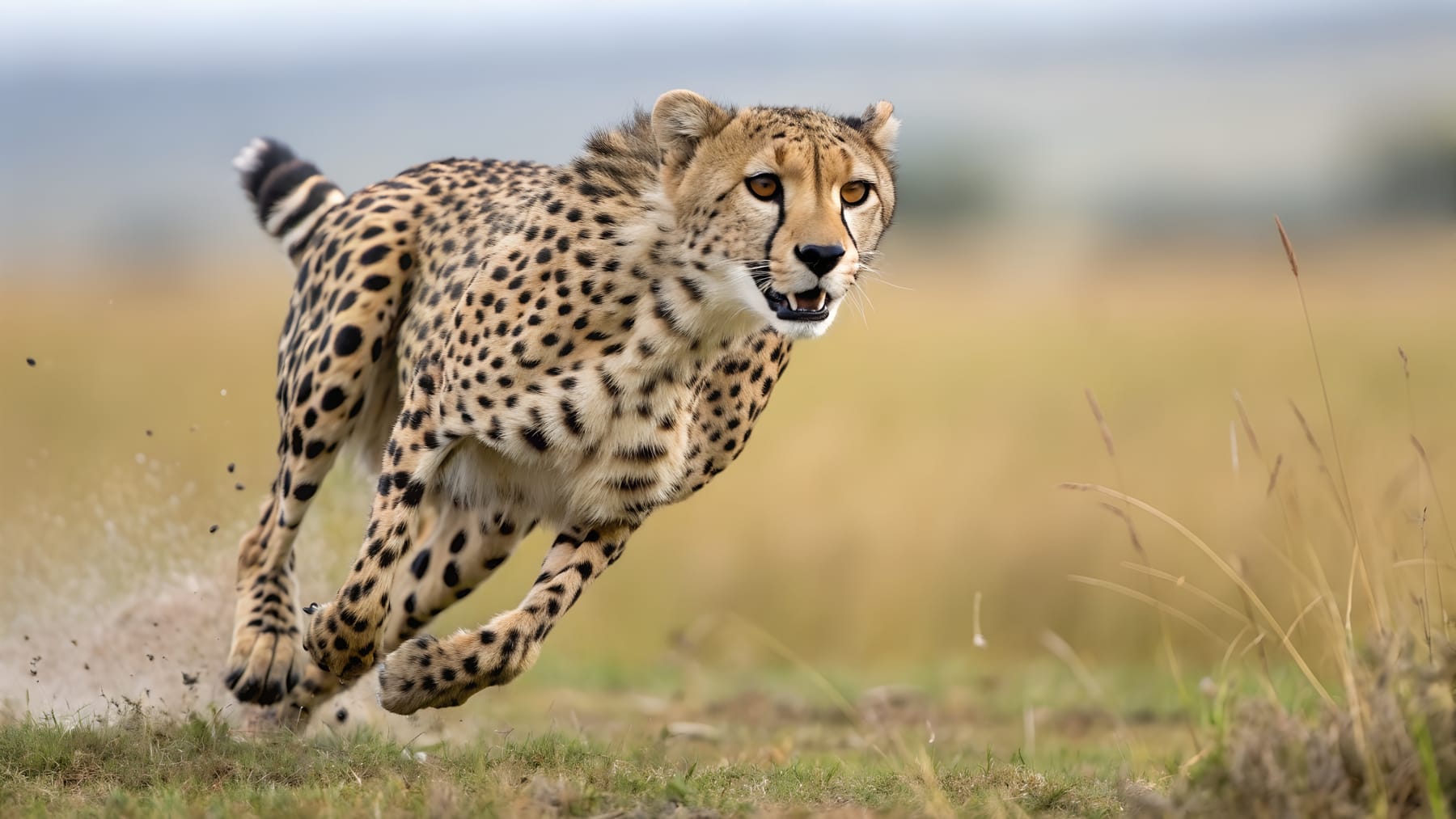
The cheetah is not a Panthera cat and is built completely differently, for a single 100 kilometer per hour sprint rather than for strength. It is Vulnerable, and it carries a genetic bottleneck that makes it fragile in ways habitat protection alone cannot fix. Cheetah Conservation Fund works on the farmer conflict that drives most cheetah deaths.
The clouded leopard has the longest canine teeth relative to skull size of any living cat and can climb down a trunk head-first, rotating its ankles like a squirrel. It is Vulnerable and lives in Southeast Asian forest.
The smaller wild cats people forget
The cougar, also called puma or mountain lion, has the largest north-to-south range of any land mammal in the Western Hemisphere, from the Yukon to Patagonia. It is Least Concern globally, which conceals the fact that eastern North American populations were wiped out.
The Eurasian lynx is the largest lynx and is Least Concern, having recovered across parts of Europe through deliberate reintroduction. The Iberian lynx is the counter-example and one of conservation's clearest wins: it fell below 100 animals in the early 2000s, making it the most endangered cat in the world, and intensive captive breeding plus rabbit population recovery has since pulled it back to Vulnerable.
The golden lion tamarin is not a cat at all. It is a small Brazilian monkey named for its mane, and it appears here only because it turns up in searches for lions. It is Endangered.
Which big cats are actually threatened
The famous ones are not always the threatened ones, and the ranking surprises people.
| Species | IUCN status |
|---|---|
| Iberian lynx | Vulnerable (was Critically Endangered) |
| Tiger | Endangered |
| Lion | Vulnerable |
| Leopard | Vulnerable |
| Snow leopard | Vulnerable |
| Cheetah | Vulnerable |
| Clouded leopard | Vulnerable |
| Jaguar | Near Threatened |
| Cougar | Least Concern |
| Eurasian lynx | Least Concern |
Read that column and a pattern appears. Nearly every big cat is threatened, and the IUCN Red List shows the same three causes repeating: habitat loss and fragmentation, depletion of the prey they need, and killing in retaliation for livestock losses.
The third one is the most solvable and the least funded. A cat that kills a cow is an economic problem for a family, and the response is usually lethal. Programs that compensate for livestock, build predator-proof enclosures, or provide guarding dogs address the actual mechanism, which is why Panthera and the IUCN Cat Specialist Group both prioritize conflict work over almost everything else.
How to tell the spotted cats apart
Three of these cats have spotted coats and get confused constantly. The rule is simple once you know it.
Cheetah: solid black round spots, like ink dots, plus two black tear lines running from eye to mouth. Nothing else has the tear marks.
Leopard: rosettes, meaning dark broken rings with a tawny center, and the rings are empty.
Jaguar: rosettes with one or more small spots inside the ring, on a stockier animal with a bigger head.
Geography settles it faster than the coat in most cases. Jaguars are the only one of the three in the Americas. Cheetahs and leopards overlap in Africa, but the tear marks end the question immediately. Our cheetah vs leopard guide covers that pair in detail.
What large predators do for the landscape
Apex predators shape the systems below them in ways that are easy to miss until they are gone.
Large cats regulate herbivore numbers, and more importantly they change herbivore behavior. Prey that is being hunted moves more, grazes less in any one spot, and avoids open ground near water. Remove the predator and the grazing pattern changes, which changes the vegetation, which changes everything that depends on it. The effect has been documented repeatedly where large carnivores were removed and later returned.
Big cats also need more space than almost any other animal, which makes them useful as an umbrella. Protecting enough connected habitat for a tiger or a jaguar protects thousands of species nobody is counting. That is why so much big cat work is about corridors between reserves rather than the reserves themselves.
The cats nobody counts: captive populations
There is a second population that rarely appears in these lists. The United States holds thousands of privately owned big cats, and the exotic pet trade produces a steady flow of animals that outgrow their owners.
Sanctuaries take the survivors. The Wild Animal Sanctuary in Colorado, Turpentine Creek Wildlife Refuge in Arkansas, and Carolina Tiger Rescue all house big cats that cannot be released and never will be. That is welfare work rather than conservation, a distinction our guide to what wildlife conservation is for draws out, and it is worth funding on its own terms.
If you want the shorter list of animals closest to disappearing, our ten most endangered animals covers species in worse shape than any cat here. For the landscape most of these cats actually hunt in, grassland animals covers the prey species and why the herds move. A small and genetically distinct cheetah population survives in the central Sahara, and desert animals covers it alongside the species that never drink at all.
Animals in Africa covers the other species sharing ground with the lions and cheetahs above.